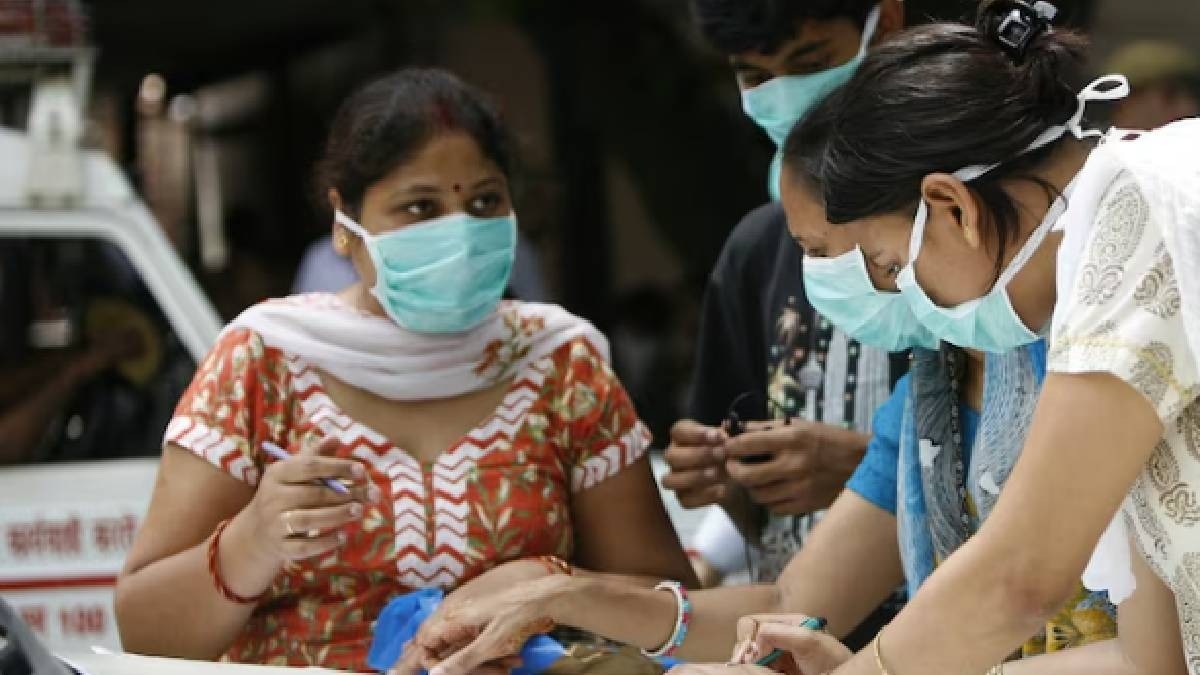
H1N1 influenza cases are surging in Delhi and Bengaluru, prompting health advisories. While ICMR confirms no new strain, public vigilance remains critical to curb the spread.
- Significant spike in H1N1 cases reported in Delhi and Bengaluru.
- ICMR confirms no new viral strain; existing vaccines remain effective.
- Health departments have issued advisories to prevent further community spread.
Major urban hubs in India, specifically Delhi and Bengaluru, are witnessing a sharp increase in cases of H1N1 influenza, commonly known as Swine Flu. This surge has prompted the Delhi health department to issue a formal advisory, urging citizens to adhere to respiratory hygiene and seek timely medical intervention.
Distinguishing Swine Flu from COVID-19
Given the similarities in respiratory symptoms, many patients confuse H1N1 with COVID-19. While both are viral infections affecting the respiratory tract, H1N1 is a subtype of Influenza A, whereas COVID-19 is caused by the SARS-CoV-2 coronavirus. Swine flu typically presents with a sudden onset of high fever and severe muscle aches, while COVID-19 often involves a loss of taste or smell and potential long-term pulmonary complications.
| Feature | H1N1 (Swine Flu) | COVID-19 |
|---|---|---|
| Virus Type | Influenza A | Coronavirus |
| Primary Symptoms | High fever, cough, body ache | Respiratory distress, loss of taste/smell |
| Vaccination | Seasonal flu shots available | Specific COVID-19 vaccines |
Why This Matters
BozokMedia analysis shows that the intersection of seasonal weather transitions and high urban pollution levels creates a fertile ground for respiratory viruses. In densely populated cities like Delhi, the transmission rate accelerates, putting a strain on primary healthcare centers and increasing the risk for comorbid patients.
"The current vaccines provide sufficient protection against the circulating H1N1 strains; there is no cause for panic, only for precaution."
Prevention and Treatment
Medical professionals emphasize the importance of hand hygiene, the use of masks in crowded spaces, and the timely administration of the annual flu vaccine. Treatment typically involves antiviral medications like Oseltamivir, which are most effective when administered within 48 hours of symptom onset.
Frequently Asked Questions
Q1: Is there a new strain of H1N1 in India?
A: No, the ICMR has officially stated that no new strain has been detected and current vaccines are sufficient.
Q2: What are the early warning signs of Swine Flu?
A: Early signs include sudden high fever, a dry cough, sore throat, and extreme fatigue.