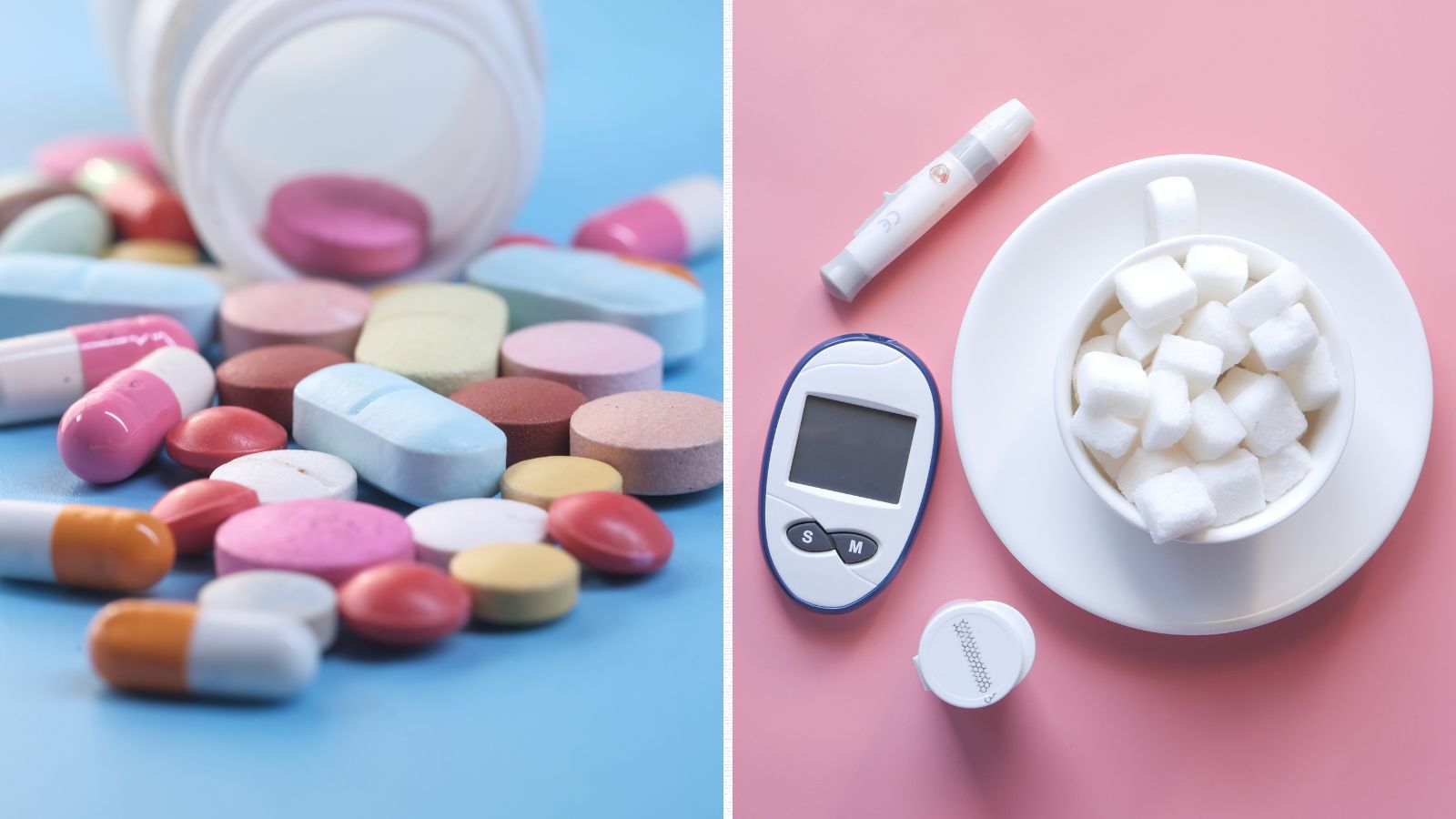
A single medication can raise or lower glucose levels in different people due to genetics, age, organ function, diet, and other drugs. Tracking changes and consulting a physician is essential before adjusting any regimen.
- Genetics and age dictate how a drug influences glucose.
- Kidney‑liver efficiency and diet can amplify blood‑sugar swings.
- Document any medication‑related glucose change and discuss it with a doctor.
Medication and Blood Sugar: The Personal Variability Explained
The same medication may cause a rise, fall, or no noticeable change in blood glucose from one individual to another. This variability stems from genetic makeup, age, body composition, kidney and liver performance, diet, and concurrent medicines, making personalized monitoring crucial for patients with diabetes or pre‑diabetic conditions.
Genetic Factors: Enzyme Activity
Consultant dietitian and certified diabetes educator Kanikka Malhotra explains, “Genes that control liver enzymes make some people metabolise drugs faster or slower, so the same pill can stay active longer in one person than another, leading to divergent glucose responses.”
Physical Factors: Body Fat, Insulin Resistance, and Pancreas
Individuals with higher abdominal fat often exhibit insulin resistance; a drug that nudges glucose upward will push it higher in them compared with leaner persons. Additionally, pancreatic insulin reserve varies—some people have less reserve without a formal diabetes diagnosis, causing larger glucose swings when a medication adds metabolic stress.
Diet and Timing
A heavy, fatty meal can slow drug absorption, while the body’s circadian rhythm means the same dose taken in the morning may act differently than an evening dose. Malhotra notes, “Timing relative to meals and natural body rhythms can change how much a drug impacts blood sugar.”
Kidney and Liver Function
The kidneys and liver clear medicines from the bloodstream. Impaired function prolongs drug presence, intensifying its effect on glucose levels. Genetic variations also influence how much of a drug actually reaches cellular targets, not just its concentration in blood.
Medications Known to Influence Glucose
Steroids, certain diuretics, some antipsychotics, and beta‑blockers tend to raise blood sugar. Conversely, insulin, sulfonylureas, and even a few antibiotics can lower it. Combining multiple drugs can mask hypoglycaemia warnings, making vigilant monitoring vital.
Why This Matters
BozokMedia analysis shows that unpredictable drug‑induced glucose swings can jeopardize chronic disease management, increase hospital admissions, and inflate healthcare costs across India.
“Ignoring medication‑related glucose fluctuations can lead to life‑threatening complications,” warns Dr. Malhotra.
Frequently Asked Questions
Q1: What should I do if a new medication seems to change my blood sugar?
**A:** Record glucose readings, medication timing, meals, stress, and symptoms, then share the pattern with your healthcare provider.
Q2: Can I adjust the dosage myself based on these readings?
**A:** No. Never alter or stop a medication without professional guidance, especially insulin or other diabetes drugs.