As Swine Flu (H1N1) cases surge across India, including Delhi, concerns regarding a new strain have emerged. ICMR has addressed these fears, clarifying the actual cause behind the spike.
- ICMR confirms there is no new or more dangerous strain of H1N1 in India.
- The surge is attributed to seasonal influenza and changing weather patterns.
- High-risk groups include children, the elderly, and pregnant women.
A significant rise in Swine Flu (H1N1) cases has been reported across several parts of India, with Delhi being among the most affected regions. This sudden uptick has triggered widespread public anxiety regarding the potential emergence of a new, more virulent strain of the virus. However, the Indian Council of Medical Research (ICMR) has stepped in to provide clarity and prevent panic.
According to ICMR scientists, the circulating H1N1 virus is not a new strain. The current cases are part of the seasonal influenza that has been in circulation since 2025. Extensive monitoring has revealed no significant mutations that would make the virus more potent or dangerous than previous versions. The current spike is primarily driven by the seasonal influenza cycle.
Why This Matters
BozokMedia analysis shows that environmental factors play a decisive role in viral transmission during transitionary weather periods. Dr. Neeraj Nischal, a professor in the Department of Medicine at AIIMS Delhi, explained that influenza is not restricted to winter months. Fluctuations in temperature, coupled with high humidity and rainfall, create ideal conditions for the virus to thrive.
Furthermore, during monsoon and humid periods, people tend to spend more time in enclosed, air-conditioned spaces. Poor ventilation in these environments facilitates the rapid spread of respiratory droplets from an infected person to others. Increased testing and better surveillance mechanisms have also contributed to the higher number of reported cases.
Seasonal shifts and inadequate ventilation in enclosed spaces are the primary drivers of the current influenza surge.
Vulnerable Populations and Prevention
While most healthy individuals recover from the flu without severe complications, certain demographics remain at high risk for life-threatening symptoms. Health authorities have issued advisories for:
- Young children and the elderly
- Pregnant women
- Individuals with pre-existing chronic illnesses
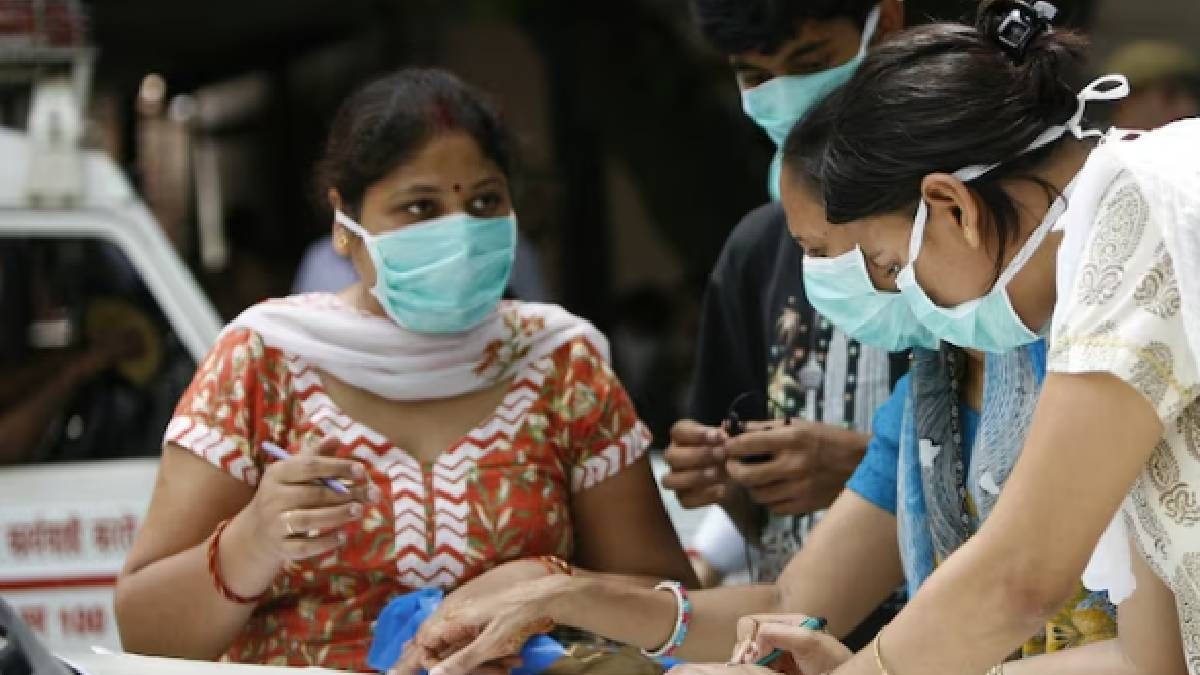
To mitigate the risk, experts recommend frequent handwashing, wearing masks in crowded areas, and maintaining strict personal hygiene.
Historical Background
The H1N1 influenza virus gained global attention during the 2009 pandemic. Since then, it has transitioned into a seasonal respiratory virus that periodically causes spikes in infections worldwide, particularly during shifts in climate and humidity.
Frequently Asked Questions
1. Has a new strain of Swine Flu arrived in India?
No, ICMR has clarified that no new or unusual strain has been detected; it is the existing seasonal H1N1.
2. How can I protect myself from H1N1?
Practicing good hand hygiene, wearing masks in public, and ensuring proper ventilation in indoor spaces are key preventive measures.