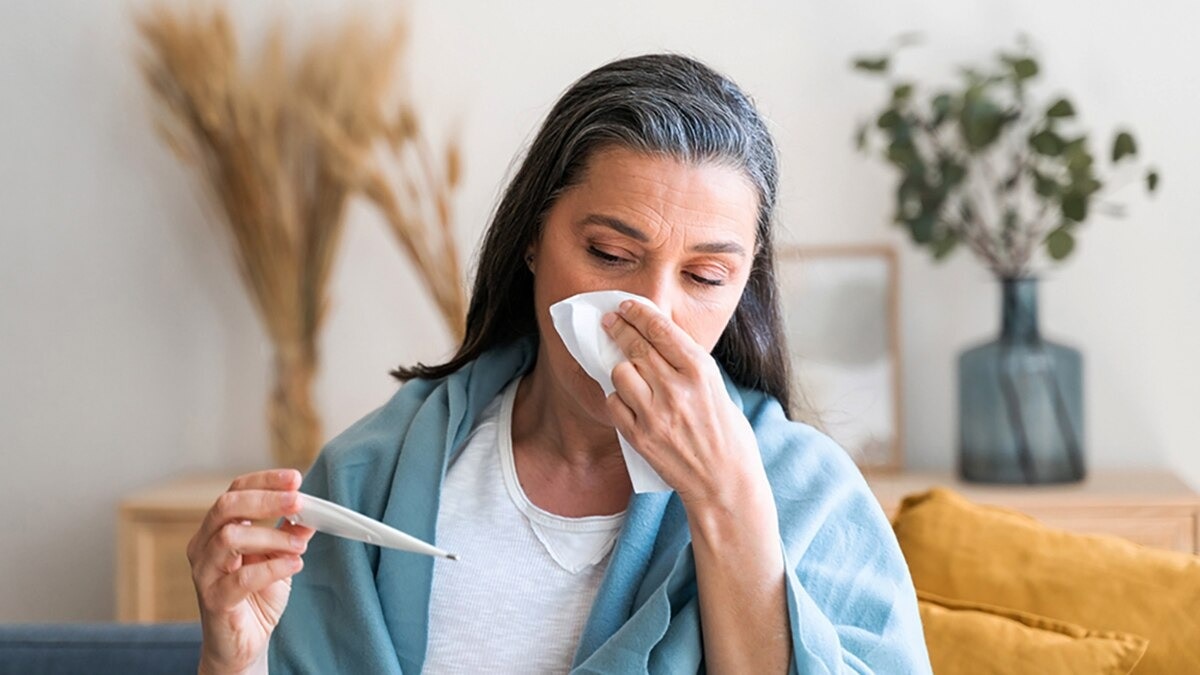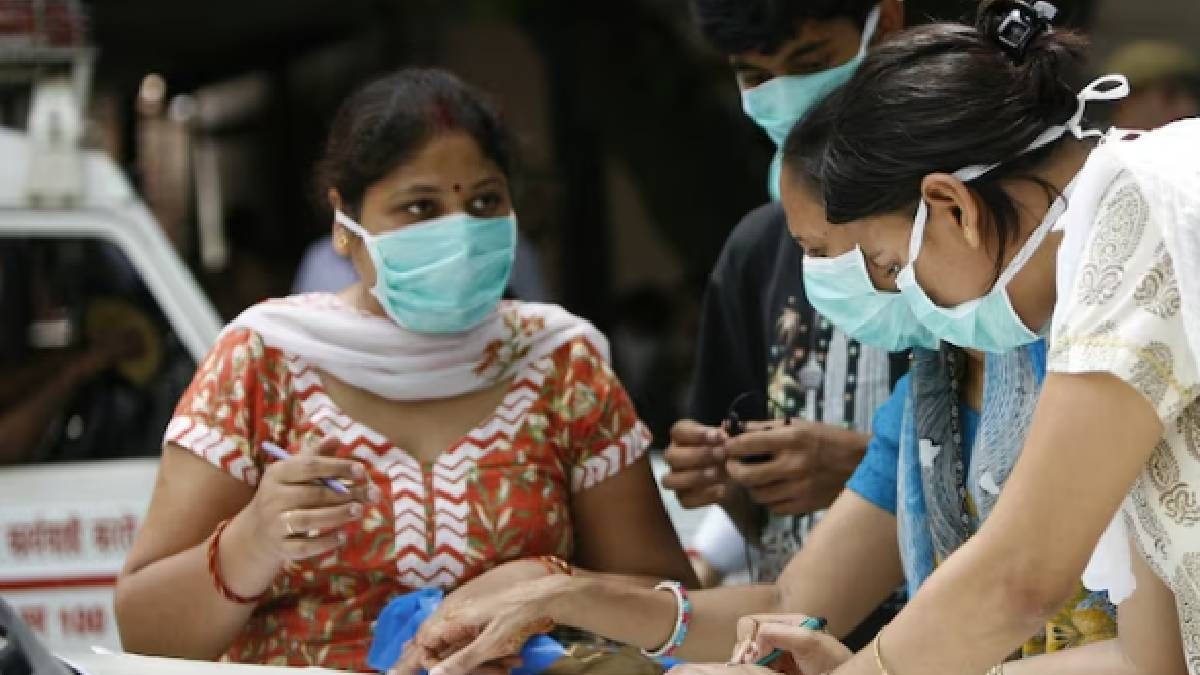
As H1N1 cases rise, understanding when testing is necessary and how the procedure works is crucial. Learn about the critical 4-day window and who is at high risk.
- Testing is most effective within the first four days of symptom onset.
- High-risk groups include pregnant women, children, the elderly, and those with chronic conditions.
- H1N1 is diagnosed via respiratory swabs, not typically through blood tests.
With the rise of flu-like illnesses across India, including H1N1 influenza and other viral infections, many are questioning the necessity of diagnostic testing. While not every fever requires a flu test, knowing when to seek testing can be critical for managing complications and ensuring proper treatment protocols.
Who Should Undergo H1N1 Testing?
Medical experts suggest that testing is particularly vital for individuals experiencing sudden onset symptoms such as fever, chills, cough, sore throat, and body aches. However, testing becomes a priority in the following scenarios:
- High-Risk Groups: Pregnant women, young children, older adults, and individuals with weakened immunity.
- Pre-existing Conditions: People suffering from asthma, diabetes, or heart disease.
- Severe Symptoms: Individuals experiencing breathing difficulties, low oxygen levels, or pneumonia-like symptoms.
Why This Matters
BozokMedia analysis shows that because the symptoms of COVID-19 and influenza overlap significantly, accurate testing is essential to differentiate between infections. This distinction dictates whether a patient requires specific antiviral treatments or different infection-control measures.
Timely diagnostic intervention is the cornerstone of managing seasonal influenza and preventing widespread community transmission.
The Critical Window and Testing Methodology
Timing is everything when it comes to respiratory testing. To capture the highest viral load, a sample should ideally be collected within the first four days of symptom onset. Waiting too long may result in a false negative due to decreased viral shedding.
Contrary to popular belief, H1N1 is not usually detected through a simple blood test. Instead, healthcare professionals use a respiratory swab. This involves inserting a sterile swab into the nasal passage (nasopharynx) to collect cells and secretions. While the procedure can be momentarily uncomfortable, it is rapid and highly effective for molecular testing like RT-PCR.
Managing Symptoms and Emergency Care
It is vital to distinguish between managing a mild flu and an emergency. If you experience chest pain, confusion, bluish lips, or severe dehydration, seek immediate medical attention. Furthermore, patients should avoid self-medicating with antibiotics, as they are ineffective against viral infections like H1N1. Doctors may instead prescribe antivirals such as oseltamivir.
Frequently Asked Questions
1. Is a blood test used for H1N1?
No, the standard method is a nasal or throat swab to collect respiratory samples.
2. What if my rapid test comes back negative but I feel sick?
Consult your doctor about a more sensitive molecular test, as rapid tests can sometimes miss infections.