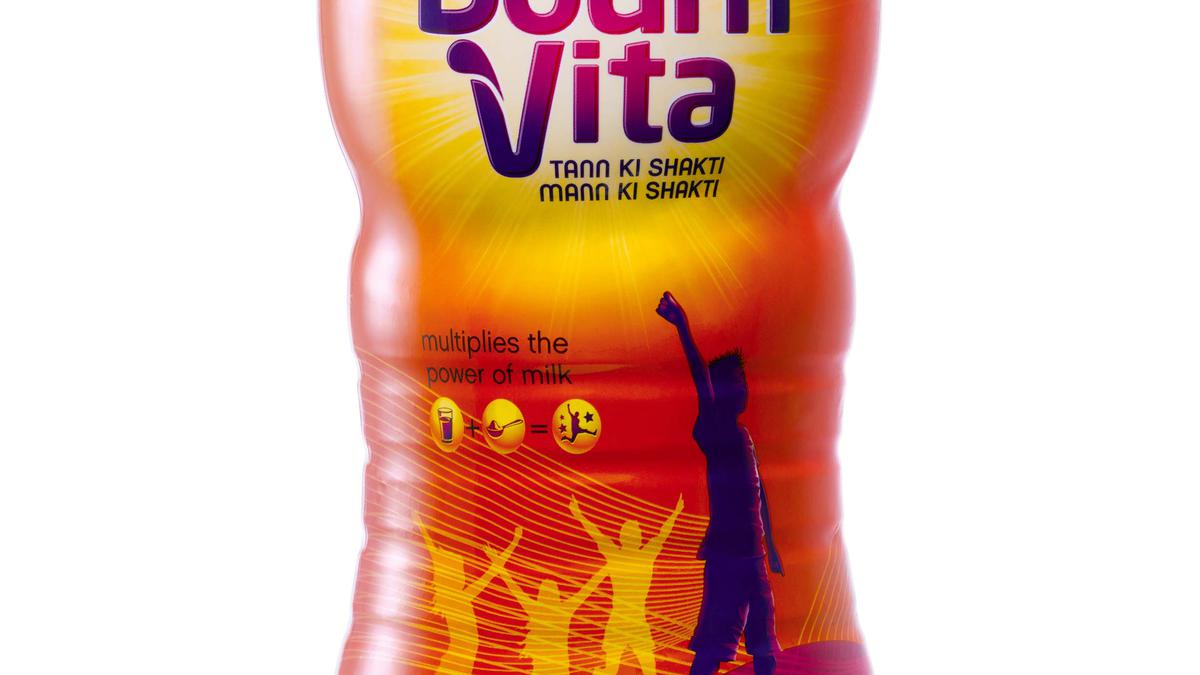
Following intense scrutiny from FSSAI regarding misleading advertisements, Mondelez India has withdrawn nutritional claims for Bournvita. This marks a significant escalation in India's food safety enforcement.
- Mondelez India has withdrawn health and nutrient-comparison claims for Bournvita.
- FSSAI has issued over 150 notices to major food companies including Nestlé and PepsiCo.
- Regulators are cracking down on terms like '100%' to prevent consumer deception.
- The enforcement extends to e-commerce platforms and restaurant chains.
In a significant move following intensified regulatory pressure, Mondelez India Foods, the manufacturer of Bournvita and Cadbury, has officially withdrawn several health and nutrient-comparison claims. This decision comes as the Food Safety and Standards Authority of India (FSSAI) ramps up its crackdown on misleading food advertisements and labeling violations across the country.
The regulator's massive enforcement drive has already seen more than 150 notices issued to a wide array of industry giants. Among the companies named in this regulatory sweep are Nestlé India, PepsiCo, Coca-Cola India, Abbott India, Red Bull India, and Ferrero India. The action targets companies that use unsubstantiated claims to market their products as superior or healthier than they actually are.
Why This Matters
BozokMedia analysis shows that this regulatory shift represents a fundamental change in how food corporations approach marketing in India. For years, brands have leveraged 'health halos'—using terms like 'immunity booster' or 'stronger bones'—to appeal to health-conscious parents. The Bournvita controversy, which gained momentum in 2023 over its high sugar content, serves as a landmark case in this ongoing battle for consumer transparency.
The era of unchecked nutritional marketing is ending; FSSAI is setting a new standard for corporate accountability in the food sector.
Beyond Mondelez, other companies are also feeling the heat. Amway India has removed the '100%' descriptor from its coconut oil packaging, and Juza Foods has withdrawn various immunity-related claims from its baby food products. FSSAI's May 2025 advisory specifically targeted the use of '100%' to prevent the implication of absolute purity, which can be inherently misleading.
Historical Background
The scrutiny of nutritional claims in India has intensified as processed food consumption has risen. Historically, food labeling was loosely regulated, allowing brands significant leeway in how they presented nutritional benefits. However, the rise of digital marketing and e-commerce has forced FSSAI to expand its jurisdiction to ensure that what consumers see on their screens matches the reality of the product in the box.
Frequently Asked Questions
1. Why was Bournvita under scrutiny?
The brand faced criticism regarding its high sugar content and the way its nutritional benefits were marketed to children.
2. Which other companies are affected by FSSAI notices?
Major players including Nestlé, PepsiCo, Coca-Cola, and Red Bull have been part of the regulator's recent enforcement actions.