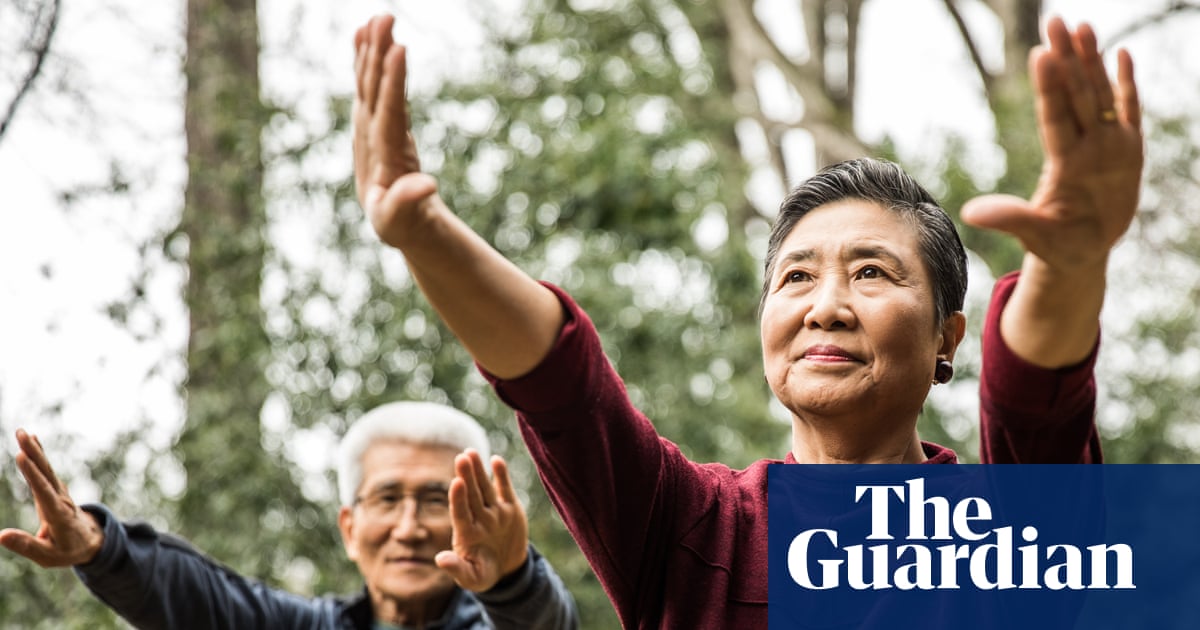
A groundbreaking umbrella review of 1,744 clinical trials confirms that traditional Chinese exercises like Tai Chi significantly improve bone density and alleviate chronic pain.
- Traditional Chinese exercises like Tai Chi significantly ease chronic musculoskeletal pain and stiffness.
- Evidence shows increased bone mineral density in patients with osteopenia and osteoporosis.
- Optimal results require at least 150 minutes of practice per week for over six months.
In a landmark scientific development, the largest review of its kind has confirmed that traditional Chinese exercises, specifically Tai Chi, offer profound benefits for individuals suffering from musculoskeletal disorders. The findings, published in the British Journal of Sports Medicine, provide 'high certainty evidence' for a global population of approximately 1.7 billion people affected by these conditions.
The comprehensive study, known as an umbrella review, synthesized data from 92 different analyses involving 1,744 randomized controlled clinical trials. This massive scale provides unprecedented statistical weight to the effectiveness of practices such as Tai Chi, Qigong, Baduanjin, Wuqinxi, and Yijinjing.
Why This Matters
BozokMedia analysis shows that musculoskeletal conditions are the leading contributors to disability worldwide, with low back pain being the primary cause in 160 countries. As global populations age, the strain on healthcare systems increases. These traditional exercises offer a safe, accessible, and cost-effective strategy to manage chronic pain without immediate pharmacological reliance.
Traditional Chinese exercises represent a vital, low-cost intervention that can empower patients in self-management and reduce the global disability burden.
The research highlights specific clinical successes: Tai Chi was found to improve movement in patients with knee osteoarthritis, enhance mental health in those with neck pain, and improve sleep quality for those suffering from fibromyalgia. Most notably, it significantly boosts bone mineral density in those battling osteoporosis.
Guidelines for Maximum Efficacy
To reap the full therapeutic benefits, the study suggests a specific regimen. Practitioners should engage in these exercises for a duration longer than six months, performing them at least three times a week, aiming for a total of at least 150 minutes per week.
Frequently Asked Questions
1. Which specific exercises were found to be most effective?
Tai Chi, Qigong, Baduanjin, Wuqinxi, and Yijinjing were all highlighted for their positive health outcomes.
2. Can these exercises replace conventional medicine?
Researchers suggest they should 'complement' conventional therapies and rehabilitation programs rather than strictly replacing them.