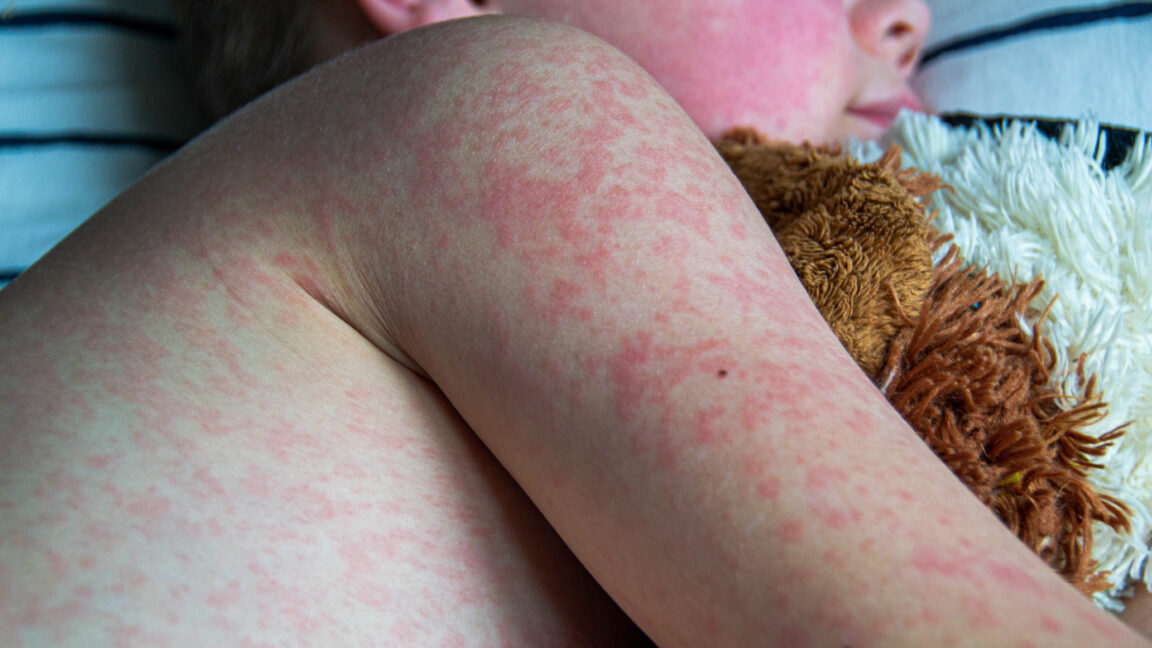
Delhi Health Minister Pankaj Kumar Singh ordered a boost in medical supplies, surveillance and public awareness as H1N1 infections climb to 2,308. Dedicated wards have been opened and schools instructed to tighten respiratory hygiene measures.
- Delhi records 2,308 confirmed H1N1 cases
- Dedicated H1N1 wards operational at major hospitals
- All schools directed to launch health‑hygiene campaigns
Delhi Health Minister Pankaj Kumar Singh chaired a high‑level review on Tuesday to assess the city’s readiness for seasonal influenza, with a focus on the dominant H1N1 strain. Officials from the Health Department, Municipal Corporation of Delhi, New Delhi Municipal Council and Delhi Cantonment Board participated.
Current Situation
According to the minister’s office, confirmed H1N1 cases have risen to 2,308, up from 1,777 on August 21. The sharp increase has prompted a rapid scaling of preparedness measures across the capital.
Government Response
Singh instructed all agencies to ensure ample medical supplies, including antivirals and testing kits, while strengthening surveillance and public‑awareness drives. He emphasized coordination with the Transport Department, Delhi Metro Rail Corporation and civic bodies.
Dedicated H1N1 wards have been set up at several government hospitals, including Lok Nayak Hospital. Dr. Ramesh Chand Meena, Associate Professor of Medicine at Dr. Ram Manohar Lohia Hospital, confirmed that a separate ICU section is ready, though no ICU admissions have occurred yet. He warned that vulnerable groups—elderly, children, pregnant women and those with chronic respiratory conditions—remain at higher risk.
Education Sector Initiative
The Directorate of Education issued a circular urging all government and private schools to adopt a “Healthy School‑Healthy Community” approach, reinforcing respiratory hygiene practices. Education Minister Ashish Sood added, “There is no need for panic. Seasonal illnesses are expected; our focus is on preparedness, awareness and timely preventive action.”
Why This Matters
BozokMedia analysis shows that densely populated urban hubs like Delhi act as accelerators for respiratory viruses, making coordinated inter‑departmental action crucial to prevent a healthcare overload.
“Our ICU has not yet admitted any H1N1 patients, but we must vigilantly monitor high‑risk groups,” said Dr. Ramesh Chand Meena.
Frequently Asked Questions
Q1: Is a vaccine available for H1N1 in Delhi?
A1: Yes, seasonal influenza vaccines, which include protection against H1N1, are available at government health centers.
Q2: Are masks mandatory in schools?
A2: Masks are not currently compulsory, but schools are advised to promote mask usage, social distancing and regular hand hygiene.