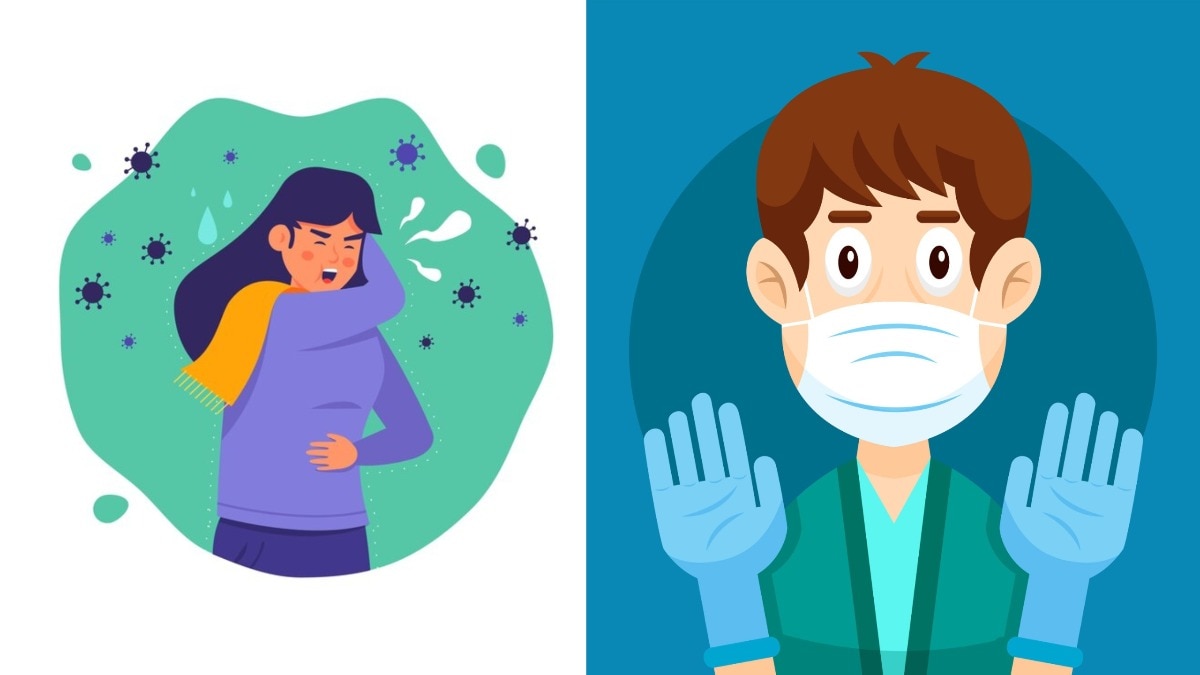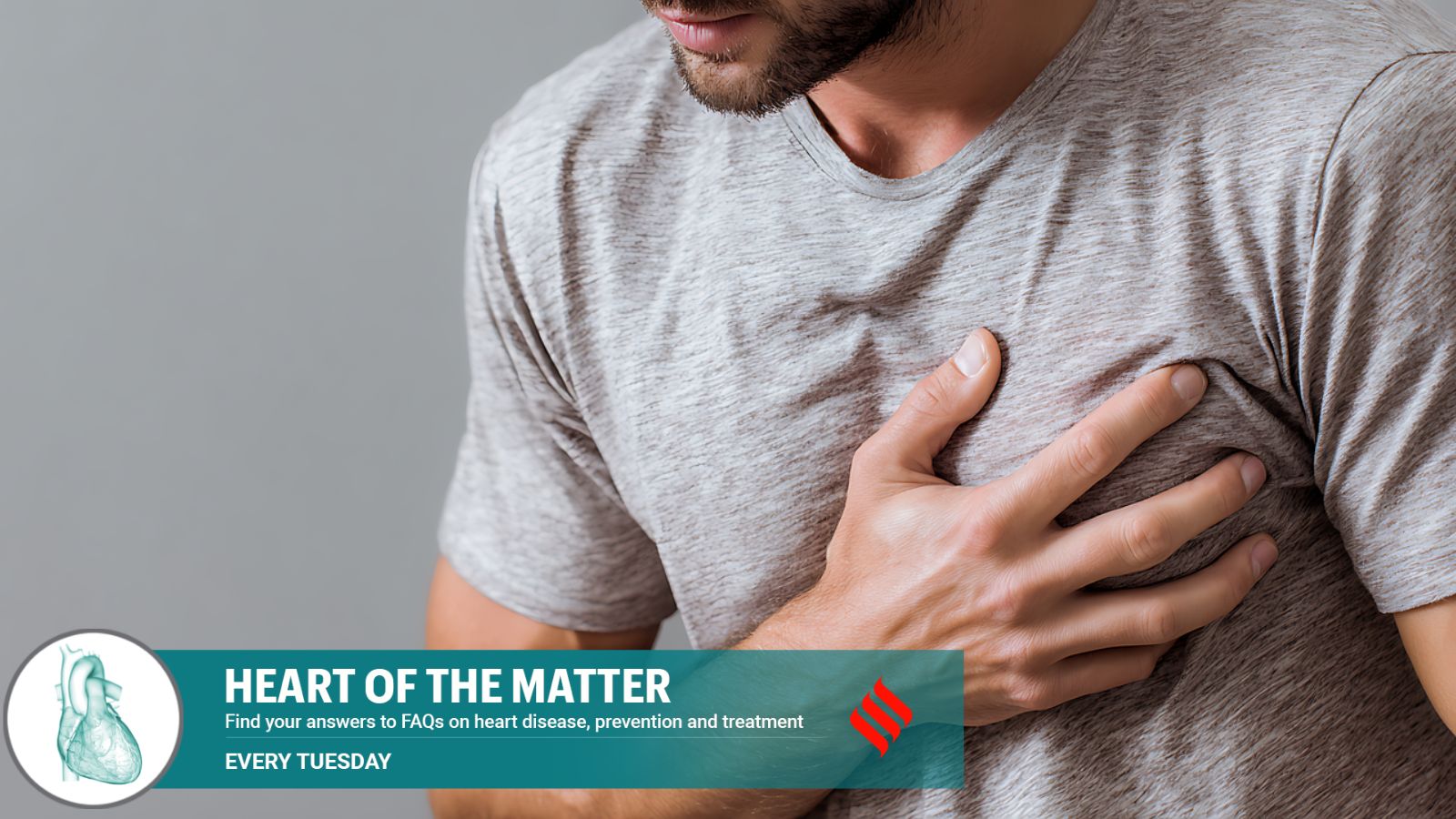
Anxiety can mimic a cardiac emergency with frightening precision. Learn the critical differences between a panic attack and a heart attack to know when to seek urgent medical intervention.
- Panic attacks and heart attacks share overlapping symptoms like palpitations and cold sweats.
- Heart attack pain typically manifests as heaviness or squeezing and may radiate to the jaw or arm.
- Panic attacks are often preceded by a sudden wave of intense fear or a 'sense of impending doom'.
- Never self-diagnose chest pain as anxiety without a professional medical evaluation.
A 40-year-old man recently woke up with a pounding heart, cold sweats, and an overwhelming sense of doom. Struggling with poor sleep and underlying depression, he rushed to the hospital convinced he was suffering a cardiac event. However, his initial investigations, including cardiac markers and a CT coronary angiography, were entirely normal. This scenario is becoming increasingly common in emergency rooms worldwide.
The Anatomy of a Panic Attack
A panic attack typically begins with a surge of anxiety or an irrational feeling of danger. The physical symptoms follow rapidly: the heart races, breathing becomes shallow, and the person may experience dizziness or a feeling of choking. Many describe it as the sensation of being in a high-stakes exam hall where the body reacts to an invisible threat.
The most terrifying aspect is the feedback loop. When a person notices their heart racing, they think, "Something is wrong with my heart." This thought triggers more adrenaline, which further accelerates the heart rate, creating a cycle of escalating physical and psychological distress.
Why This Matters
BozokMedia analysis shows that the intersection of mental health and cardiology is often overlooked. As global stress levels rise, the incidence of 'pseudo-cardiac' episodes is increasing. If recurrent panic is brushed aside, it can lead to agoraphobia, social withdrawal, and a significant decline in quality of life, often masking comorbid depression.
"The overlap between psychological distress and cardiac symptoms is so profound that clinical diagnostics are the only reliable way to ensure patient safety."
The Reality of a Heart Attack
A heart attack occurs when blood flow to a part of the heart muscle is blocked. Unlike the 'racing' feeling of panic, a heart attack often presents as pressure, heaviness, or a squeezing sensation in the center of the chest. This discomfort frequently radiates to the shoulder, back, neck, or jaw. Accompanying symptoms may include nausea, extreme weakness, or light-headedness.
| Feature | Panic Attack | Heart Attack |
|---|---|---|
| Onset | Sudden anxiety/stress trigger | Physical exertion or sudden stress |
| Pain Type | Tightness or rapid palpitations | Heavy pressure, squeezing sensation |
| Radiation | Usually localized to chest/throat | Spreads to arm, jaw, or back |
| Diagnosis | Psychological assessment | ECG, Troponin, Imaging |
Historical Context and Age Factors
Historically, heart attacks were viewed as the domain of the elderly. However, modern lifestyle factors have lowered the average age of cardiac events. Conversely, panic attacks are increasingly reported in the 20-30 age bracket. This convergence makes it dangerous to rely on age as a diagnostic tool.
Frequently Asked Questions
Q1: Can a panic attack trigger a heart attack?
A: While a panic attack itself doesn't cause a heart attack in a healthy heart, chronic anxiety and the resulting high blood pressure can increase long-term cardiovascular risk.
Q2: When should I stop questioning and go to the ER?
A: If you experience crushing chest pain, pain radiating to the left arm or jaw, and sudden shortness of breath, seek emergency care immediately regardless of your anxiety history.