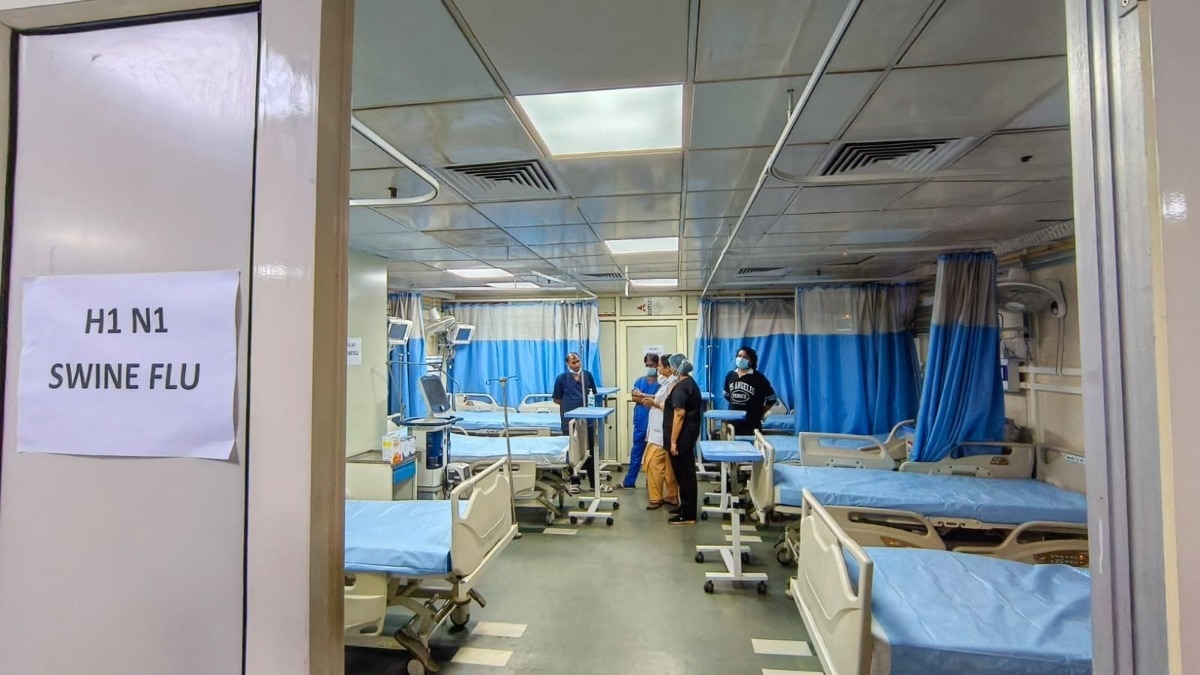
The Indian Medical Association (IMA) has issued a public health advisory regarding the seasonal rise in H1N1 (Swine Flu) cases. The body warns against the dangerous practice of self-medicating with antibiotics and antivirals.
- H1N1 cases are surging in metropolitan areas like Delhi, Maharashtra, and Karnataka.
- The IMA warns that antibiotics do not kill viruses and can lead to Antimicrobial Resistance (AMR).
- Preventive measures include hand hygiene, wearing masks, and annual vaccination.
New Delhi: As the monsoon season progresses, India is witnessing a significant seasonal uptick in Influenza A (H1N1), commonly known as Swine Flu. In response, the Indian Medical Association (IMA) issued a formal advisory on Wednesday, urging the public to exercise extreme caution and avoid the perils of self-medication.
According to recent reports, metropolitan centers are bearing the brunt of this surge, with Delhi alone recording over 1,770 laboratory-confirmed cases. Other states such as Maharashtra, Karnataka, and West Bengal have also reported rising numbers. Despite the increase, the Indian Council of Medical Research (ICMR) has clarified that this is a seasonal surge of the existing strain and not a new, mutated genetic variant.
Why This Matters
BozokMedia analysis shows that the misuse of medication during viral outbreaks poses a systemic risk to public health. The indiscriminate use of antibiotics for viral infections like H1N1 contributes heavily to Antimicrobial Resistance (AMR), rendering essential drugs ineffective for future generations. Understanding the difference between viral and bacterial infections is critical for survival and long-term health.
Antibiotics are ineffective against viruses; improper use can destroy your protective microbiome and fuel lethal drug resistance.
The IMA has specifically named drugs like Azithromycin, Amoxicillin-Clavulanate, and Cefixime, stating that they should never be taken without a professional diagnosis of a secondary bacterial infection. Furthermore, the antiviral drug Oseltamivir must only be administered under strict medical supervision and is a prescription-only medication.
Symptoms and Emergency Red Flags
H1N1 typically manifests through sudden high-grade fever, chills, persistent dry cough, sore throat, and severe muscle aches. In children, gastrointestinal issues like nausea and vomiting are more common. However, the IMA warns that certain symptoms require immediate emergency medical attention:
- Difficulty in breathing or shortness of breath.
- Bluish discoloration of the lips or fingers.
- Chest pain or persistent pressure.
- Confusion, seizures, or extreme lethargy.
Prevention and Mitigation Strategies
To curb the spread of the virus, the medical body recommends several preventive protocols:
| Measure | Recommended Action |
|---|---|
| Hand Hygiene | Wash hands with soap for at least 20 seconds or use alcohol-based sanitizers. |
| Respiratory Etiquette | Cover mouth/nose with a tissue or elbow when coughing or sneezing. |
| Personal Protection | Wear well-fitted masks in crowded or enclosed spaces. |
| Vaccination | Annual flu shots are advised for the elderly, pregnant women, and healthcare workers. |
Frequently Asked Questions
1. Can I take antibiotics if I have a fever and cough?
Only if a doctor confirms a bacterial infection. Antibiotics do not work on the H1N1 virus.
2. When should I stay home?
You should avoid workplaces, schools, and social gatherings for at least 24 hours after your fever has resolved without the use of fever-reducing medication.