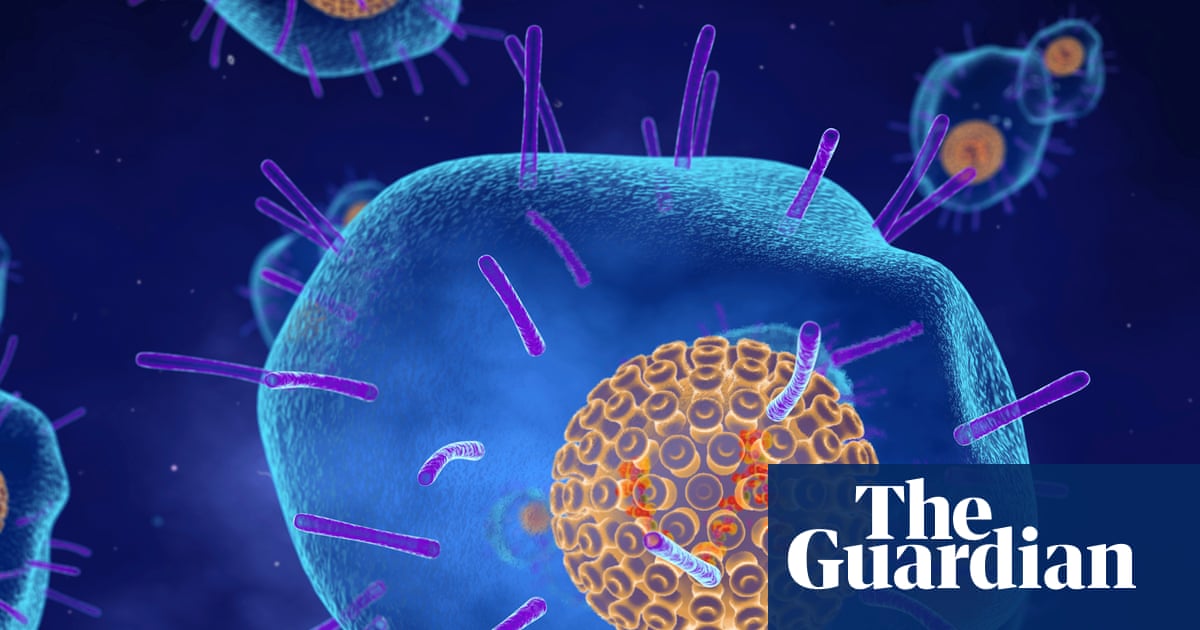
A groundbreaking study suggests the Shingles vaccine, Shingrix, could significantly lower the risk of cardiovascular events like heart attacks and strokes. Researchers claim the benefits may rival daily blood pressure medication.
- The Shingrix vaccine is associated with a 12% reduction in cardiovascular risks.
- Benefits could be comparable to daily antihypertensive medications.
- The study analyzed health records of 70,000 adults in the US.
- This could potentially prevent hundreds of thousands of deaths globally.
In a major development for preventative medicine, researchers have discovered a surprising link between the shingles vaccine and cardiovascular health. According to a study published in Nature Medicine, the two-dose Shingrix vaccine appears to significantly lower the risk of heart attacks, heart failure, and strokes.
The research, which tracked the health records of 70,000 adults aged 60 and over in the United States, found that those vaccinated with Shingrix experienced a 12% lower risk of cardiovascular diagnosis in the three and a half years following vaccination. This finding is particularly significant because it suggests the vaccine's protective effect could be on par with taking daily blood pressure-lowering medication.
Why This Matters
BozokMedia analysis shows that this discovery shifts the perception of vaccines from merely fighting infectious diseases to providing holistic systemic protection. Since cardiovascular diseases and strokes are leading causes of mortality worldwide, a single intervention that addresses both an infectious reactivation (shingles) and long-term vascular health could revolutionize geriatric care.
If confirmed in clinical trials, vaccinating older adults against shingles could prevent hundreds of thousands of coronary heart diseases and strokes worldwide.
Shingles is a highly painful condition caused by the reactivation of the Varicella-zoster virus, the same virus responsible for chickenpox. The virus remains dormant in the nerve tissues and can cause severe nerve pain, known as post-herpetic neuralgia, long after the initial rash has healed.
Historical Background
The landscape of shingles prevention changed significantly in 2017. Previously, the Zostavax vaccine (introduced in 2006) was the primary option, utilizing a weakened version of the virus. However, the transition to Shingrix, a recombinant vaccine, has provided more robust immunity. This study utilized the rapid switch between these two vaccines in the US to create a more accurate comparison, avoiding the biases found in previous observational studies.
Scientists are currently investigating the biological mechanism behind this protection. One leading theory is that shingles-induced inflammation contributes to vascular damage, and by preventing shingles, the vaccine indirectly protects the heart. Another possibility is that the vaccine modulates the immune system to suppress inflammatory proteins that damage arteries.
Frequently Asked Questions
1. Is Shingrix a replacement for heart medication?
No, it is a vaccine against shingles, but it may offer significant secondary protection against cardiovascular events.
2. Who should consider the shingles vaccine?
While specific recommendations vary, it is widely offered to adults over 65 to prevent shingles and its complications.