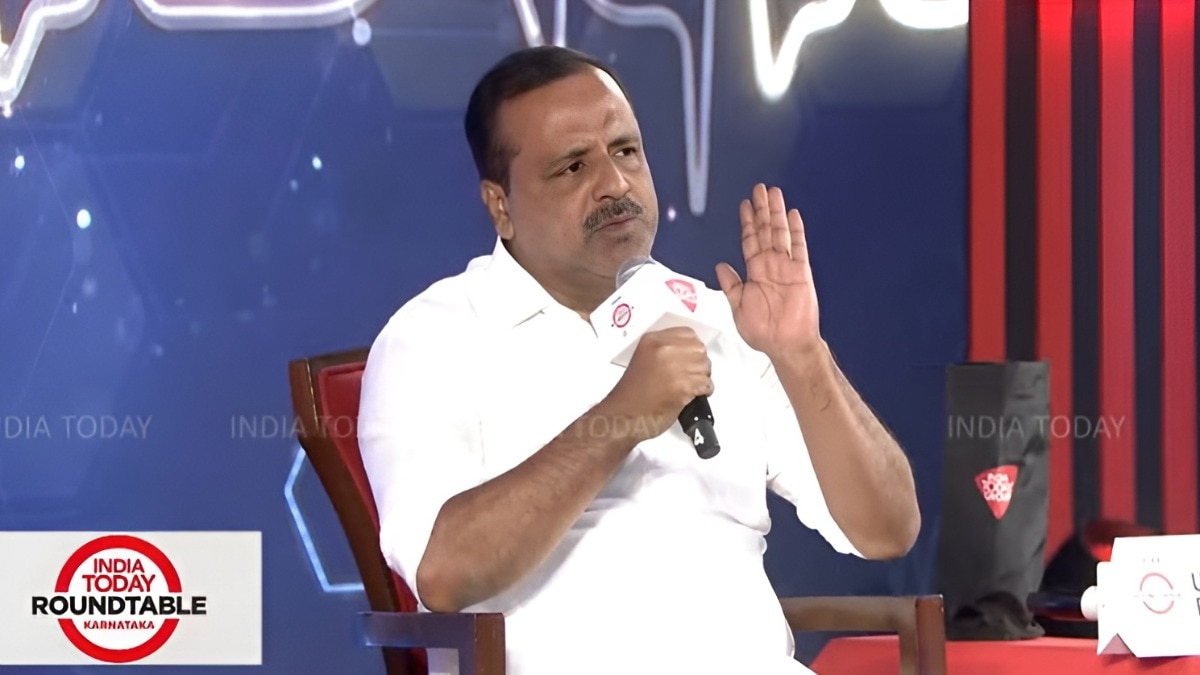
Renowned endocrinologist Dr. Shashank R. Joshi explores how India's ancient pillars of food, movement, and mindfulness can combat modern chronic diseases.
- The five pillars of longevity—Aahaara, Vihara, Nidra, Sanga, and Sadhana—are scientifically grounded.
- Modern lifestyle diseases like diabetes and hypertension can be managed through natural discipline.
- Longevity is about adding 'life to years,' not just 'years to life.'
In a recent clinical observation, the contrast between two patients was stark. One was a 42-year-old struggling with diabetes, high blood pressure, and fatty liver, reliant on multiple medications. The other was an 89-year-old woman from a village near Ratnagiri, possessing clear eyes and a steady gait, living entirely without tablets. Her secret? A simple, ancient prayer: "Jivat saradah shatam"—may we live a hundred autumns.
While the world looks toward Okinawa or Sardinia as 'Blue Zones,' India has always possessed its own pockets of longevity. From the high-altitude villages of Himachal consuming barley and apricots to the coastal belts of Kerala nourished by turmeric and fish, the blueprint for a long life has always been embedded in our geography and culture.
The Five Pillars of Vedic Longevity
Dr. Joshi highlights that science is now catching up to what the ancient Rishis knew. These five pillars form the foundation of a healthy existence:
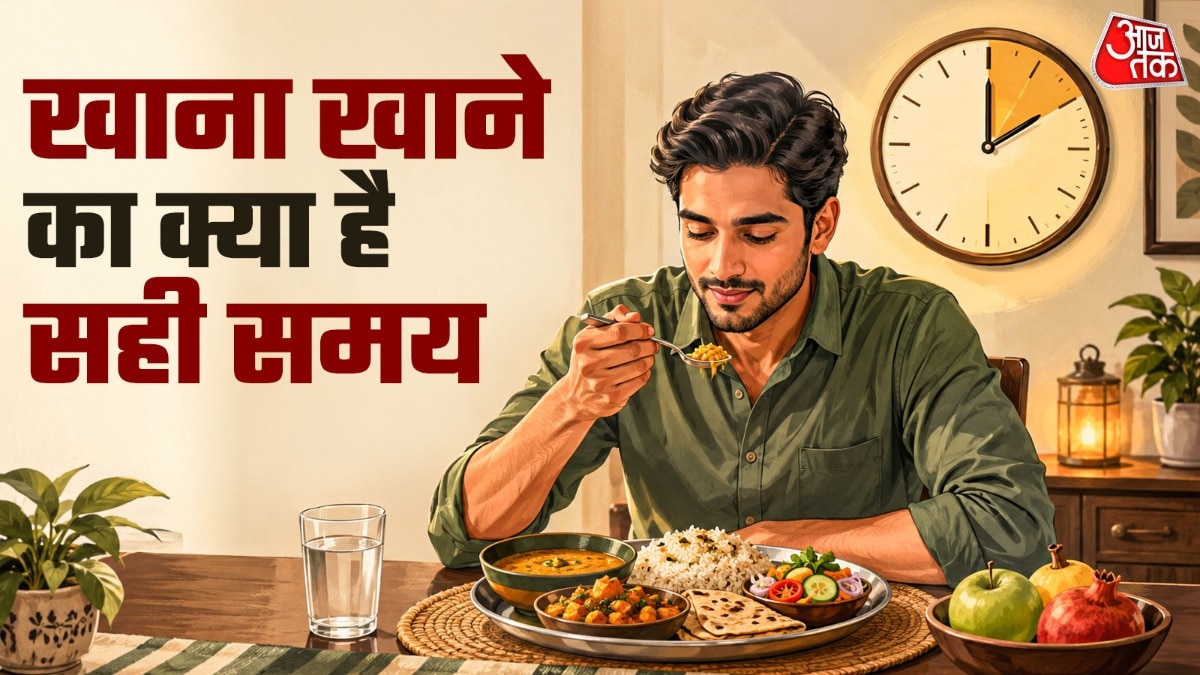
- Aahaara (Diet): Treating food as sacred. A diet rich in millets, lentils, and seasonal vegetables, while minimizing processed sugar and flour.
- Vihara (Movement): Living movement. Instead of isolated gym sessions, it is the natural activity of walking, climbing, and tending to the earth.
- Nidra (Sleep): Sleep as medicine. Aligning rest with the solar cycle and ensuring 7-8 hours of unbroken sleep to regulate insulin and immunity.
- Sanga (Community): The strength of companionship. Staying woven into the fabric of family and society promotes mental clarity and longevity.
- Sadhana (Stillness): Healing through breath. Practices like prayer or Pranayama reduce cortisol and combat chronic inflammation.
Why This Matters
BozokMedia analysis shows that as we advance technologically, we are regressing biologically. We use calorie-tracking apps to manage a diet that is fundamentally broken. Integrating ancient discipline with modern medical necessity is the only way to stem the tide of lifestyle-related epidemics.
Longevity is not the mere addition of years to life; it is the addition of life to years.
| Aspect | Modern Lifestyle | Ancient Indian Wisdom |
|---|---|---|
| Diet | Processed, High Sugar/Maida | Fresh, Seasonal, Sattvik |
| Activity | Sedentary/Planned Exercise | Natural, Daily Movement |
| Sleep | Fragmented/Irregular | Cyclical/Natural Rhythm |
Frequently Asked Questions
1. Can ancient practices replace modern medicine?
No, they are companions. Medicine is necessary for acute needs, while lifestyle prevents the need for it.
2. What is the simplest change to start today?
Reducing processed sugar and walking for 10 minutes after every meal.