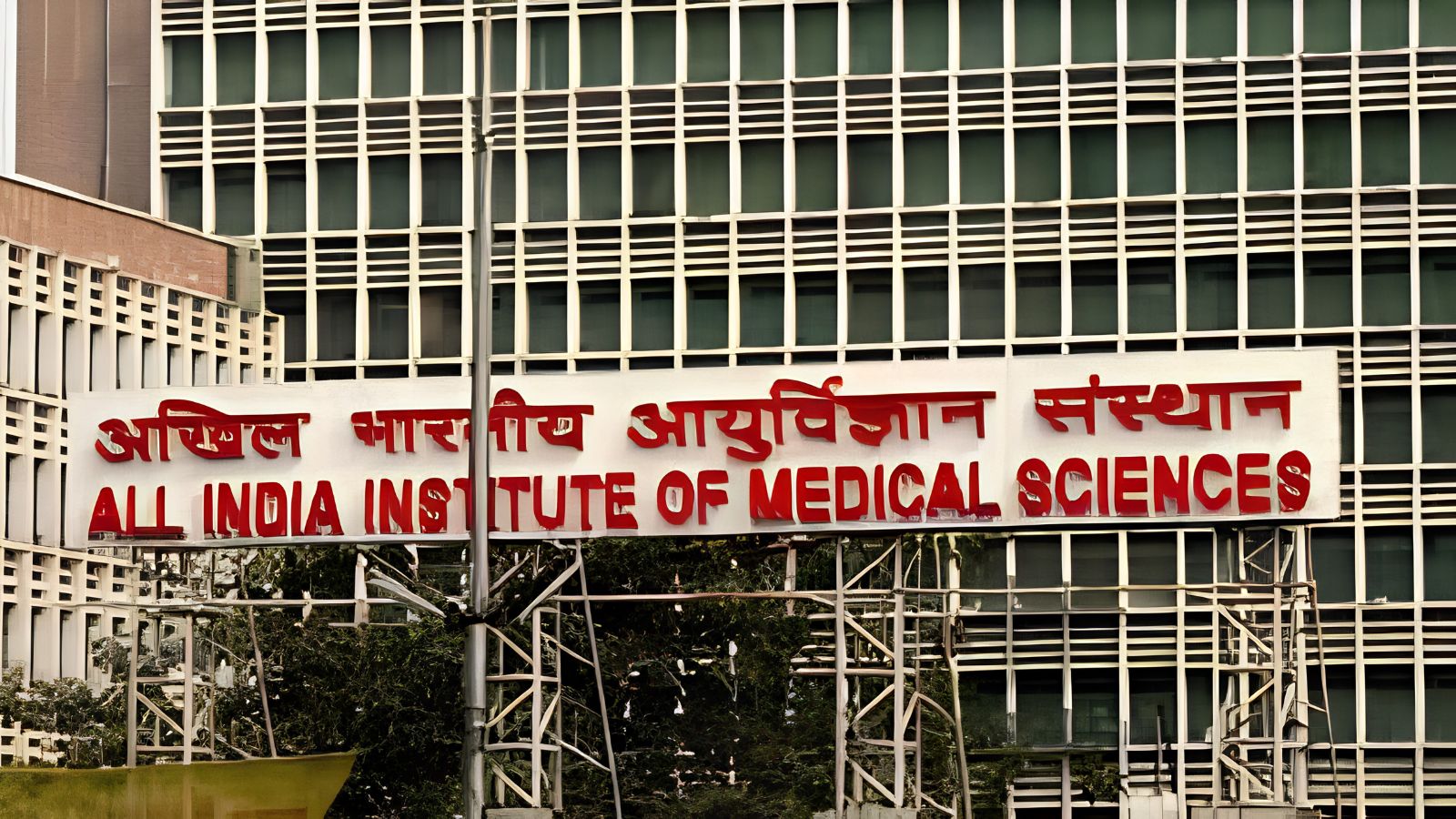
With H1N1 cases skyrocketing in Delhi, the state government has issued urgent directives to all hospitals to ensure the availability of dedicated isolation beds. Health authorities are on high alert as the tally climbs.
- H1N1 (Swine Flu) cases are surging rapidly across the national capital.
- The Delhi government has mandated the reservation of isolation beds in all hospitals.
- The Delhi Medical Association has issued strict protocols to manage the outbreak.
The national capital, Delhi, is witnessing a significant spike in Swine Flu (H1N1) infections, prompting immediate intervention from the state health machinery. Following a surge in reported cases, the Delhi government has directed all healthcare facilities—both public and private—to urgently reserve dedicated isolation beds to accommodate incoming patients.
Recent data indicates that the H1N1 tally has hit 2,446, with a recent jump of 138 new cases in a short span. This rapid escalation has put the city's medical infrastructure under intense scrutiny, leading the Delhi Medical Association to issue stringent guidelines aimed at containment and patient management.
Why This Matters
BozokMedia analysis shows that in a high-density metropolitan area like Delhi, the rapid transmission of respiratory viruses poses a systemic risk to the healthcare ecosystem. Failure to secure isolation protocols early could lead to hospital overcrowding and uncontrolled community spread.
Immediate readiness in terms of isolation wards and antiviral stockpiles is critical to prevent the current surge from turning into a full-scale crisis.
Medical experts are urging the public to monitor symptoms such as high fever, cough, sore throat, and body aches. Early detection and isolation are being emphasized as the primary defense against further transmission within residential clusters.
Historical Background
While seasonal influenza is common in India, the H1N1 strain has periodically caused significant public health concerns. Delhi, being a major transit hub, remains particularly vulnerable to the rapid spread of respiratory pathogens, necessitating constant vigilance from health departments.
Frequently Asked Questions
Q1: What are the primary symptoms of H1N1?
A: Common symptoms include fever, cough, sore throat, runny nose, muscle aches, and fatigue.
Q2: How can one prevent the spread of Swine Flu?
A: Frequent handwashing, wearing masks in crowded areas, and avoiding close contact with infected individuals are key preventive measures.