The illegal sex determination trade in Maharashtra is shifting from registered clinics to private homes and temporary locations using portable ultrasound technology to evade law enforcement.
- Illegal sex determination operations are moving from registered clinics to homes and temporary premises.
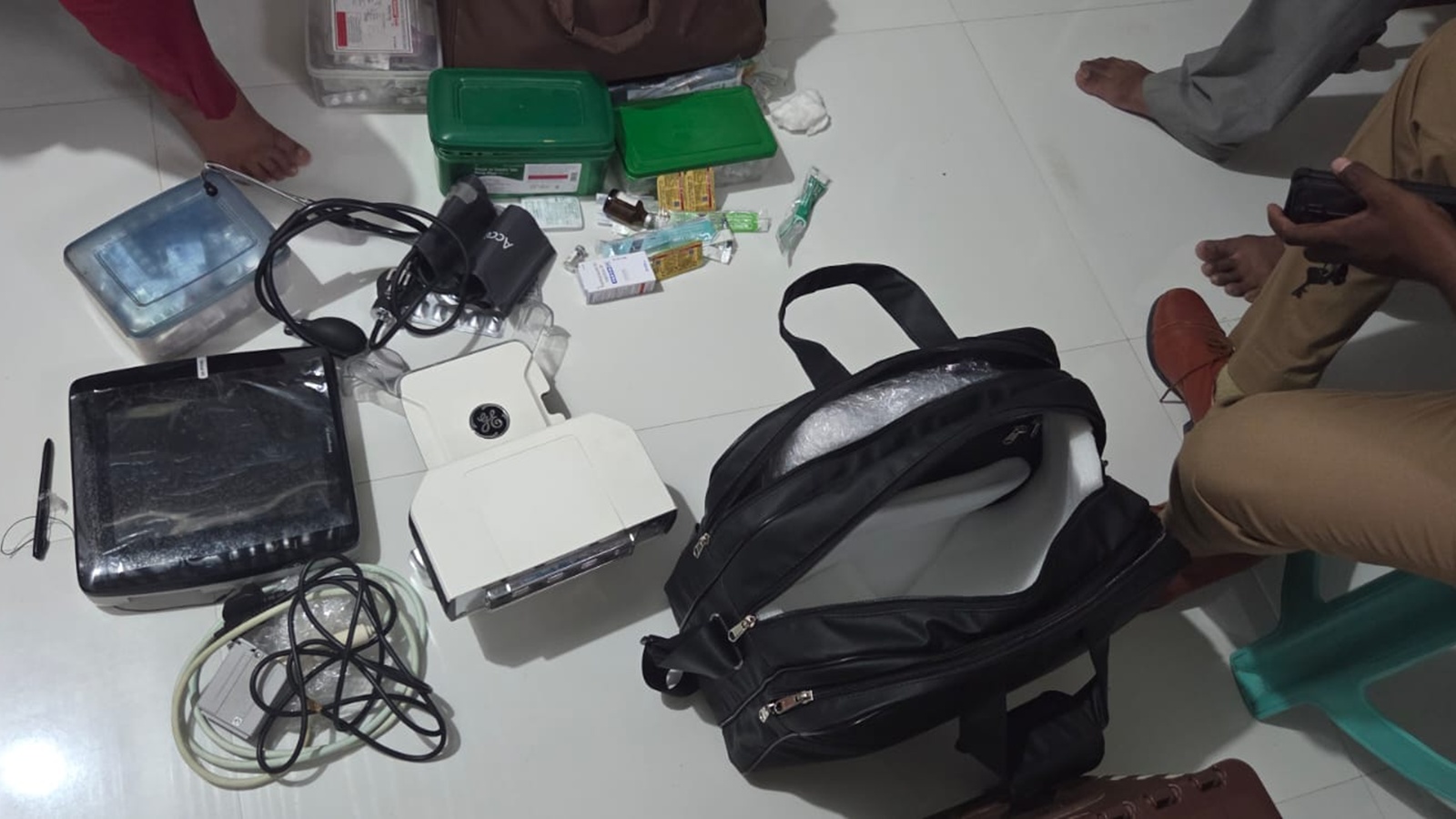
- The use of portable, tablet-based sonography machines makes detection significantly harder for authorities.
- Despite increased enforcement, the conviction rate remains a critical challenge in the legal process.
A dangerous shift is occurring in Maharashtra's fight against illegal sex selection. The illicit trade, long regulated by the Pre-Conception and Pre-Natal Diagnostic Techniques (PCPNDT) Act, has moved underground. Instead of operating out of established medical facilities, syndicates are now utilizing portable, tablet-based ultrasound machines to conduct illegal sex determination tests within private homes and unregistered temporary locations.
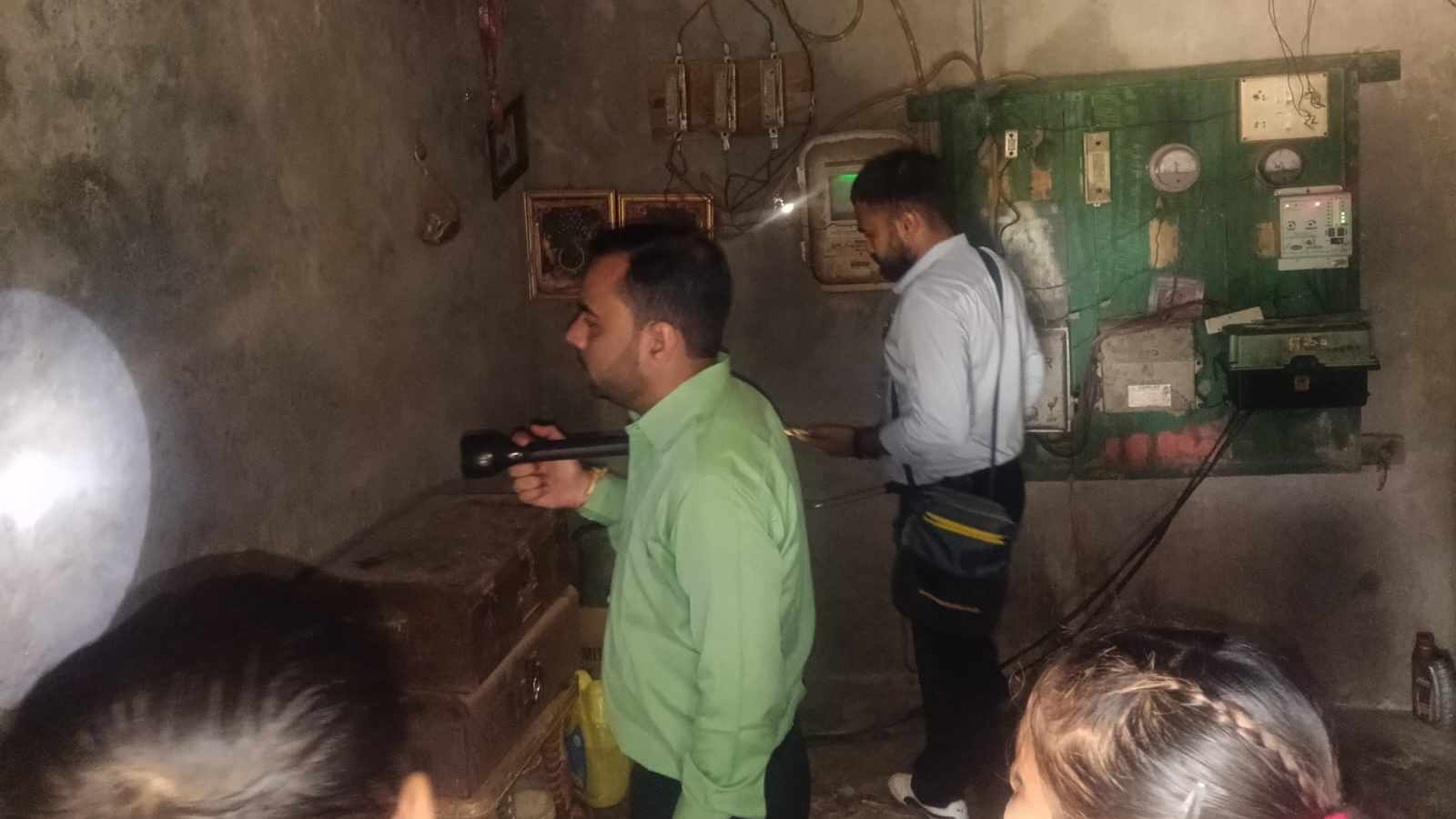
A recent sting operation involving a decoy pregnant woman exposed this evolving threat. Health officials successfully intercepted an agent attempting to transport expectant mothers from Akola to Buldhana for illegal procedures. The raid resulted in the seizure of portable scanning equipment and medicines, highlighting how criminals are leveraging mobility to stay one step ahead of the law.
Why This Matters
BozokMedia analysis shows that this evolution in criminal tactics poses a dual threat: it undermines the legal framework designed to prevent female foeticide and significantly endangers women's lives. When these procedures are conducted in unhygienic, non-medical environments without anesthesia, the risk of maternal mortality and severe reproductive injury skyrockets. In one tragic case in Kolhapur, a woman suffered a ruptured uterus due to an unsafe, illegal abortion following a sex determination test.
The transition from clinical settings to portable, home-based operations represents a sophisticated evasion tactic that challenges traditional inspection models.
The Demographic Crisis
The persistence of this underground network is reflected in Maharashtra's skewed sex ratio. Between 2022 and 2024, the state recorded only 899 girls for every 1,000 boys at birth. While rural areas have shown marginal improvement, urban Maharashtra has seen a decline, with the ratio dropping to 885—a figure that sits well below the national average of 918.
| Region | Sex Ratio (Girls per 1,000 Boys) | Trend |
|---|---|---|
| Rural Maharashtra | 910 | Improving |
| Urban Maharashtra | 885 | Declining |
| National Average | 918 | Stable |
While the state has intensified its crackdown—conducting 118 decoy operations in the 2025-26 period alone—the legal outcome remains inconsistent. Out of 627 court cases registered between March 2024 and March 2026, only 127 resulted in actual convictions. The gap between detection and conviction remains a significant hurdle for the justice system.
Historical Background
The PCPNDT Act was enacted to prevent the misuse of prenatal diagnostic technology and to curb the declining child sex ratio in India. For decades, authorities have focused on inspecting registered sonography centers. However, the advent of highly portable, digital imaging technology has forced a shift in strategy toward decoy operations and intelligence-led policing.
Frequently Asked Questions
1. What is the primary goal of the PCPNDT Act?
The act aims to prohibit sex selection and regulate the use of prenatal diagnostic techniques to prevent female foeticide.
2. Why is it harder to catch criminals using portable machines?
Portable machines can be easily hidden, moved frequently, and operated in non-medical settings like private homes, making routine inspections ineffective.