A deadly outbreak of the Chandipura virus in Gujarat has claimed 28 lives, with a staggering 66.7% fatality rate among laboratory-confirmed pediatric cases.
- The death toll among children due to Chandipura virus in Gujarat has reached 28.
- Laboratory-confirmed cases show a devastating 66.7% fatality rate.
- A total of 324 suspected cases have been reported across Gujarat and Rajasthan borders.
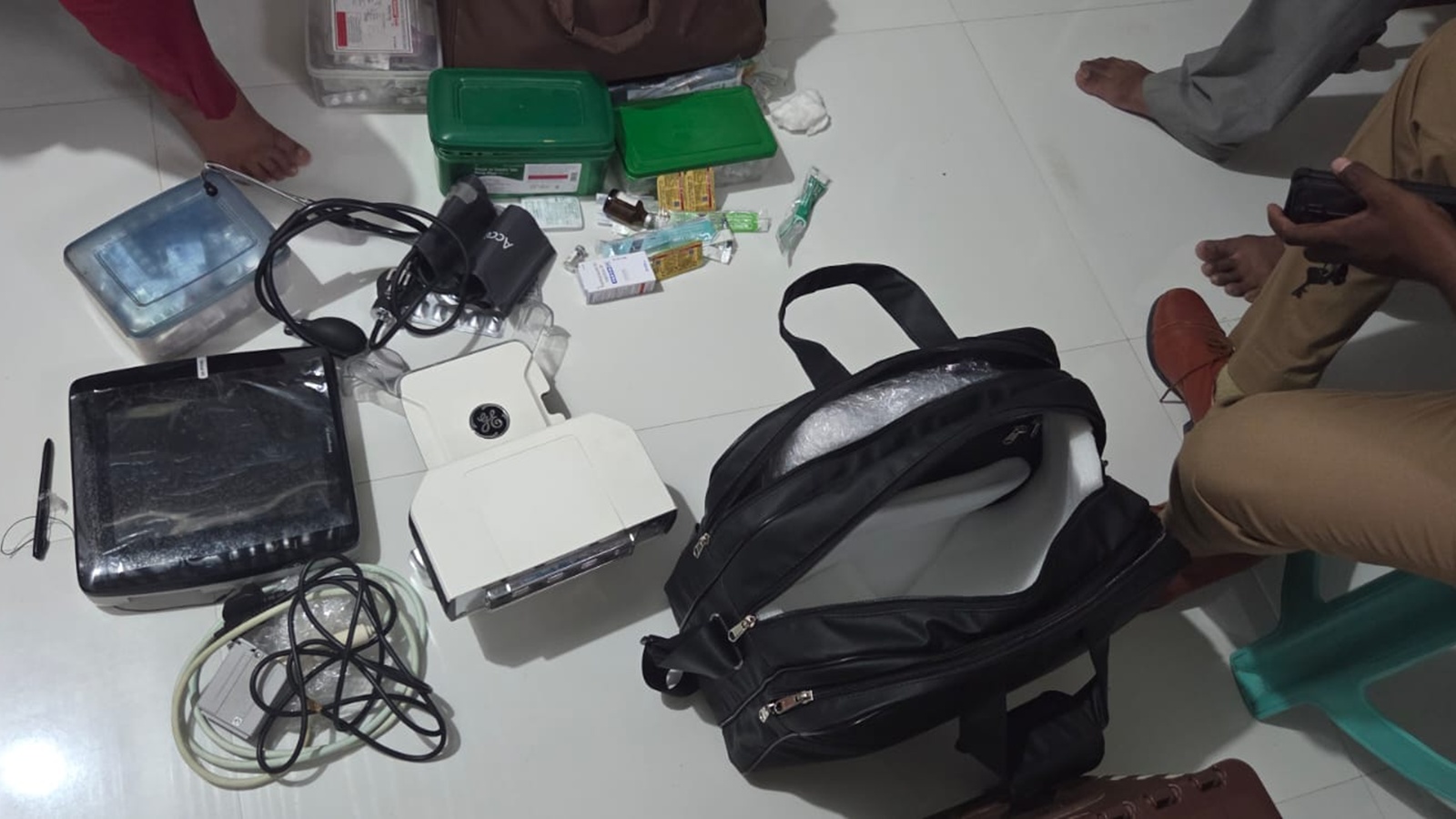
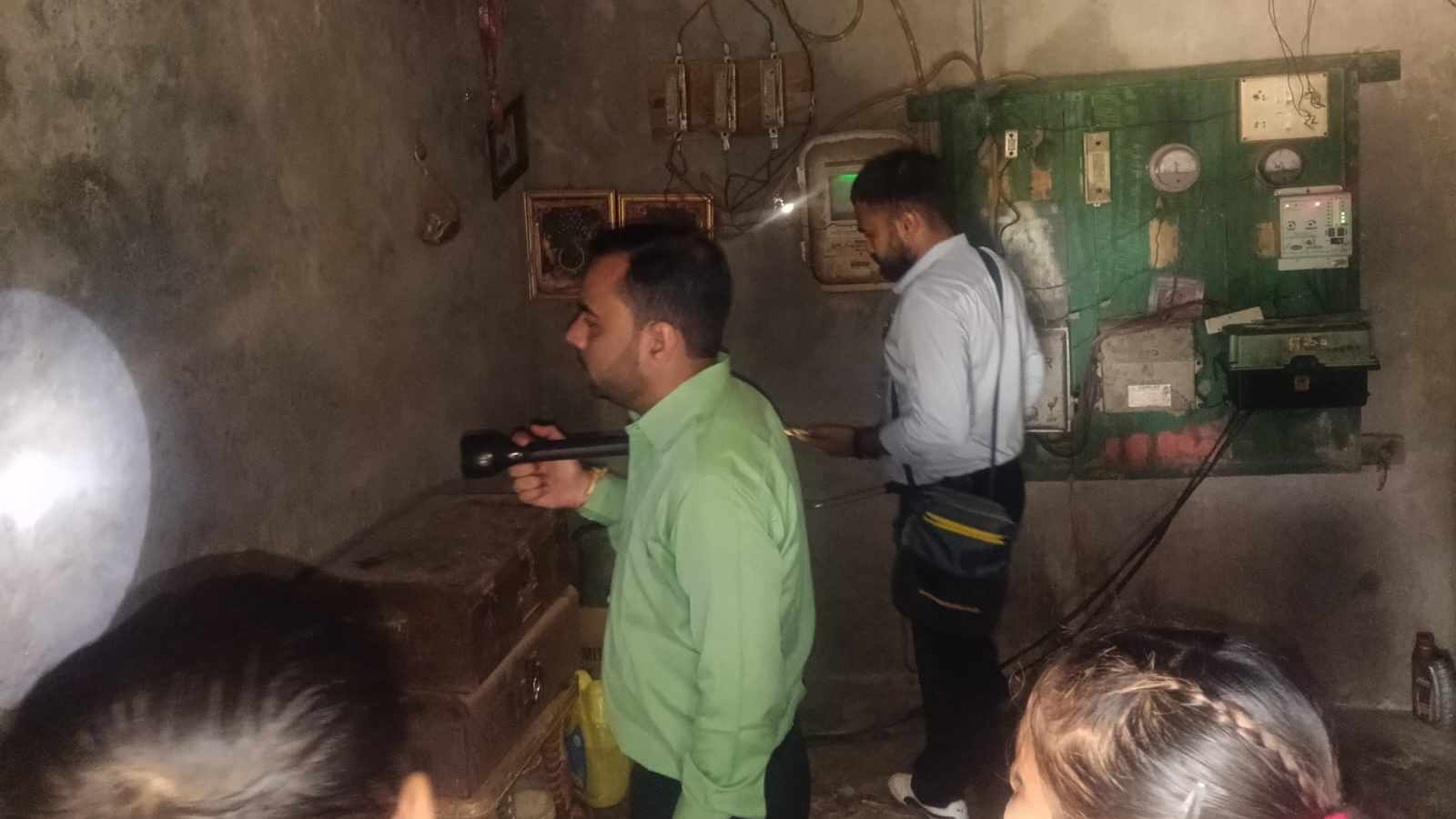
- Health teams are conducting intensive house-to-house surveillance in affected districts like Kutch.
The state of Gujarat is grappling with a severe outbreak of the Chandipura Vesiculovirus (CHPV), which has turned into a significant public health emergency. According to the latest government statement, the death toll among children has risen to 28, marking a sharp increase from the 22 deaths officially confirmed earlier this month. This surge brings the current mortality count in line with the major outbreak witnessed in 2024.
Alarming Fatality Rates Among Children
The clinical reality of this outbreak is grim. Out of the 42 children who have been laboratory-confirmed to have contracted the virus, 28 have succumbed to the illness. This places the case-fatality ratio at a staggering 66.7%. Essentially, for every three children confirmed to have the virus, two are losing their lives. Officials cautioned that the actual impact might be higher, as many suspected cases may go untested or undetected in rural areas.
Why This Matters
BozokMedia analysis shows that the recurring nature of the Chandipura virus, coupled with its high mortality in pediatric populations, highlights a critical gap in vector control and early diagnostic capabilities. The inability to pinpoint the exact animal reservoir or the specific arthropod vector remains a major hurdle in containing the spread.
The high mortality rate observed in confirmed cases underscores the urgent need for specialized pediatric intensive care and rapid vector management.
Response in Kutch: In the Kutch district, following a fatality in the Anjar area, the administration has launched an aggressive containment operation. This includes intensive dusting, fogging, and insecticide spraying within a 500-meter radius of affected households. Health teams have already surveyed 883 houses, covering a population of approximately 3,480 people to identify individuals with suspicious symptoms.
Historical Context and Scientific Challenges
The Chandipura virus is known to resurface during monsoon seasons. Despite the deployment of the National Joint Outbreak Response Team (NJORT) and the National Centre for Disease Control (NCDC), researchers have yet to identify the definitive animal reservoir or the primary insect vector responsible for human transmission in the 2024 and 2026 outbreaks. Samples collected from sandflies have been sent to the Gujarat Biotechnology Research Centre (GBRC) for advanced testing.
Frequently Asked Questions
Question 1: How is the virus transmitted to humans?
Answer: It is believed to be transmitted via arthropod vectors, most likely sandflies, though the exact mechanism is still under investigation.
Question 2: What are the primary symptoms to watch for?
Answer: Key symptoms include high fever, headache, and in severe cases, symptoms of Acute Encephalitis Syndrome (AES).