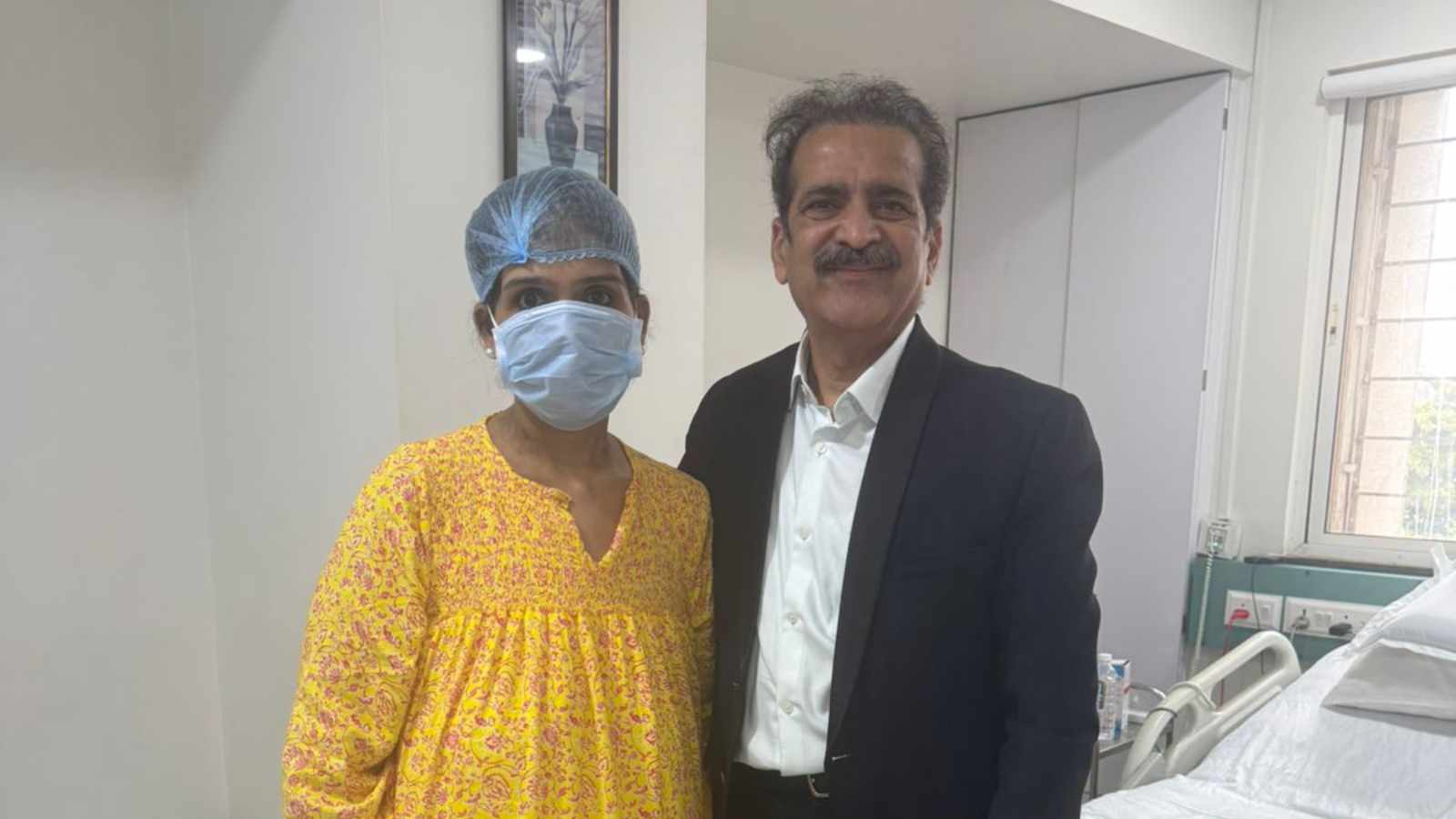
A 32-year-old Nairobi woman has survived a life-threatening battle involving sepsis, intestinal leaks, and 11 weight-loss procedures, thanks to expert intervention in India.
- A 32-year-old woman underwent 11 weight-loss and revision surgeries over 15 years.
- She faced life-threatening complications including sepsis, nutritional deficiency, and intestinal leaks.
- Pune-based surgeon Dr. Shashank Shah led the critical recovery process.
The incredible survival story of a 32-year-old woman from Nairobi has captivated the medical community. Starting her journey at age 17 while weighing 200 kg, she underwent a grueling series of 11 weight-loss procedures over the next decade and a half. What began as a quest for health turned into a medical nightmare characterized by repeated complications and extreme physical exhaustion.
A Decade of Surgical Complications
Her surgical history began with a sleeve gastrectomy, which successfully reduced her weight by 35 kg. In 2015, she underwent a banded Roux-en-Y gastric bypass, bringing her weight down to 90 kg. However, the cycle of revision surgeries continued, including an aggressive procedure in Dubai in 2020. These repeated interventions eventually led to severe nutritional deficiencies, fainting spells, and a breakdown of her metabolic stability.
The situation reached a breaking point following a surgery in Mumbai, where a surgical site leak led to severe infection and sepsis. By the time she reached the care of Dr. Shashank Shah in Pune, she was in excruciating pain and struggling to survive. Her plea was simple yet profound: "Doctor, I want to live."
Why This Matters
BozokMedia analysis shows that this case highlights the critical need for standardized obesity management protocols. The intersection of genetic predisposition and repeated surgical interventions can create a high-risk scenario that requires more than just surgical skill—it requires holistic, multi-disciplinary medical stabilization.
Obesity is a chronic disease that requires timely recognition and scientific treatment, moving away from the culture of blame.
Instead of rushing into another major operation, Dr. Shah's team prioritized stabilization. They focused on controlling the infection, correcting nutritional deficits, and rebuilding her strength through intensive medical care and physiotherapy. A specialized stent was eventually used to address the intestinal leak, allowing her body to heal.
Weight Management Comparison
| Aspect | Misconception | Scientific Reality (OSSI/ESI) |
|---|---|---|
| Nature of Disease | Failure of Willpower | Chronic Metabolic Disease |
| Primary Drivers | Poor Eating Habits Only | Genetic, Endocrine, & Environmental Factors |
| Treatment Goal | Rapid Weight Loss | Long-term Metabolic Health |
Frequently Asked Questions
1. What are the risks of repeated bariatric revision surgeries?
Repeated surgeries increase the risk of nutritional deficiencies, intestinal leaks, and severe infections like sepsis.
2. How should obesity be treated according to experts?
Experts recommend a unified framework involving lifestyle intervention, medication, and metabolic surgery under long-term monitoring.