Is morning protein superior to evening protein? Medical experts explain how timing and distribution affect muscle maintenance and hunger control.
- Distributing protein across all main meals is more effective than consuming it in one large dose.
- A protein-rich breakfast enhances satiety and reduces mid-day cravings.
- Spreading intake supports better muscle protein synthesis throughout the day.
The debate over whether protein is better consumed at breakfast or dinner has long puzzled nutrition enthusiasts. While many focus solely on the total daily grams of protein, medical experts suggest that the timing and distribution of these nutrients play a crucial role in metabolic health and muscle preservation.
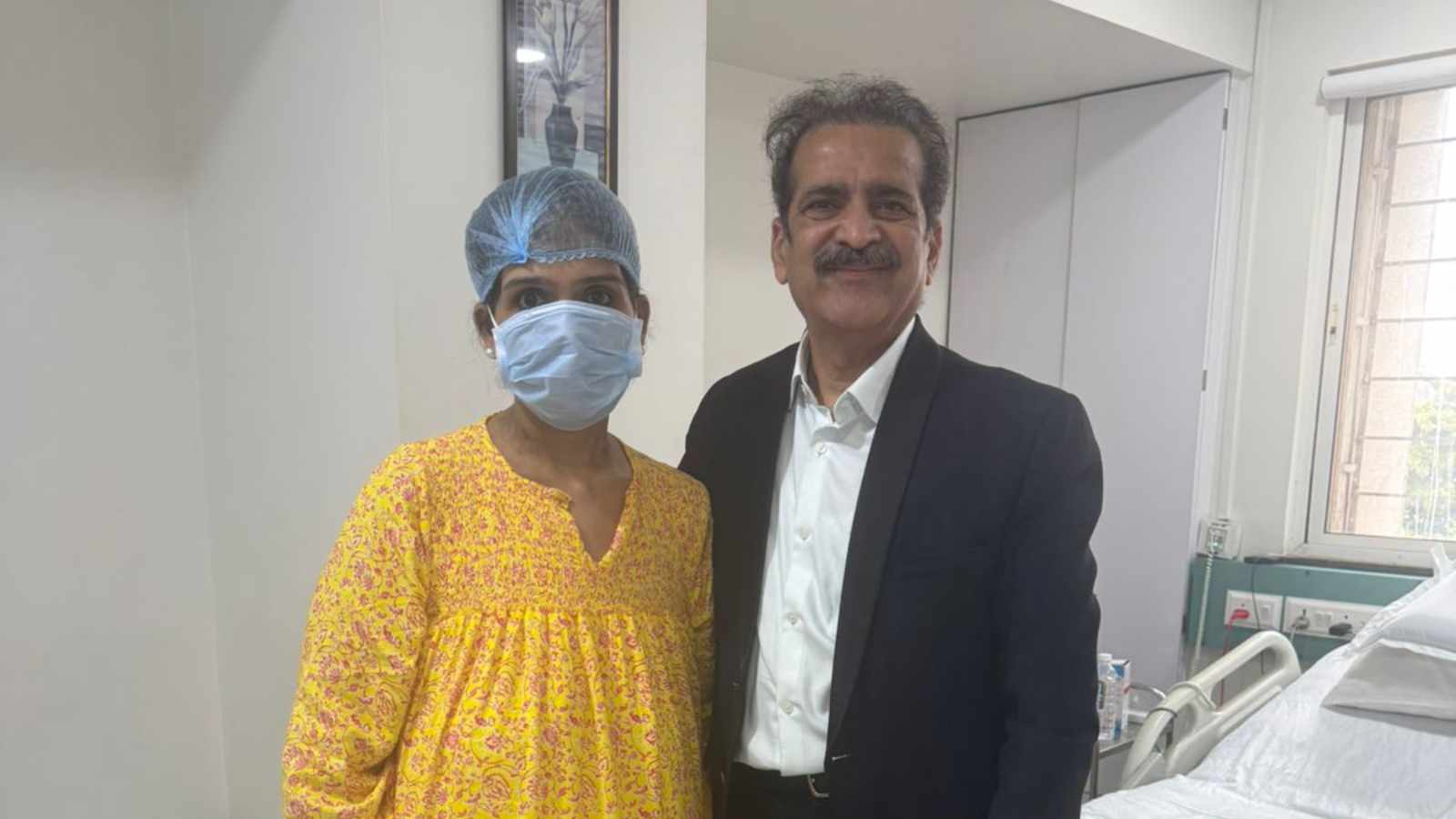
Speaking to health experts, Dr. (Col) Vijay Dutta, Director of Internal Medicine & Respiratory Services at ISIC Multispeciality Hospital, clarifies that while there is no biological 'rule' making breakfast superior, the practical benefits of morning protein are significant. Starting the day with high-quality protein can stabilize energy levels and prevent the common mid-morning slump.
Why This Matters
BozokMedia analysis shows that a common dietary error is the 'protein loading' phenomenon, where individuals consume minimal protein during breakfast and lunch, attempting to compensate with a massive protein-heavy dinner. This approach fails to leverage the body's ability to utilize protein consistently for muscle repair and maintenance.
Protein timing matters to some extent, but getting enough protein throughout the day is more important. Ideally, protein should be spread across breakfast, lunch and dinner.
For specific demographics, such as older adults, individuals managing weight, or those focused on hypertrophy, a protein-rich breakfast is a game-changer. Protein digests more slowly than carbohydrates, providing a steady release of energy and promoting a sense of fullness that can curb unhealthy cravings later in the day.
Protein Distribution Strategy
| Approach | Concentrated at Dinner | Distributed Throughout Day |
|---|---|---|
| Muscle Maintenance | Sub-optimal | Highly Effective |
| Appetite Control | High risk of cravings | Stable hunger levels |
| Energy Stability | Fluctuating | Consistent |
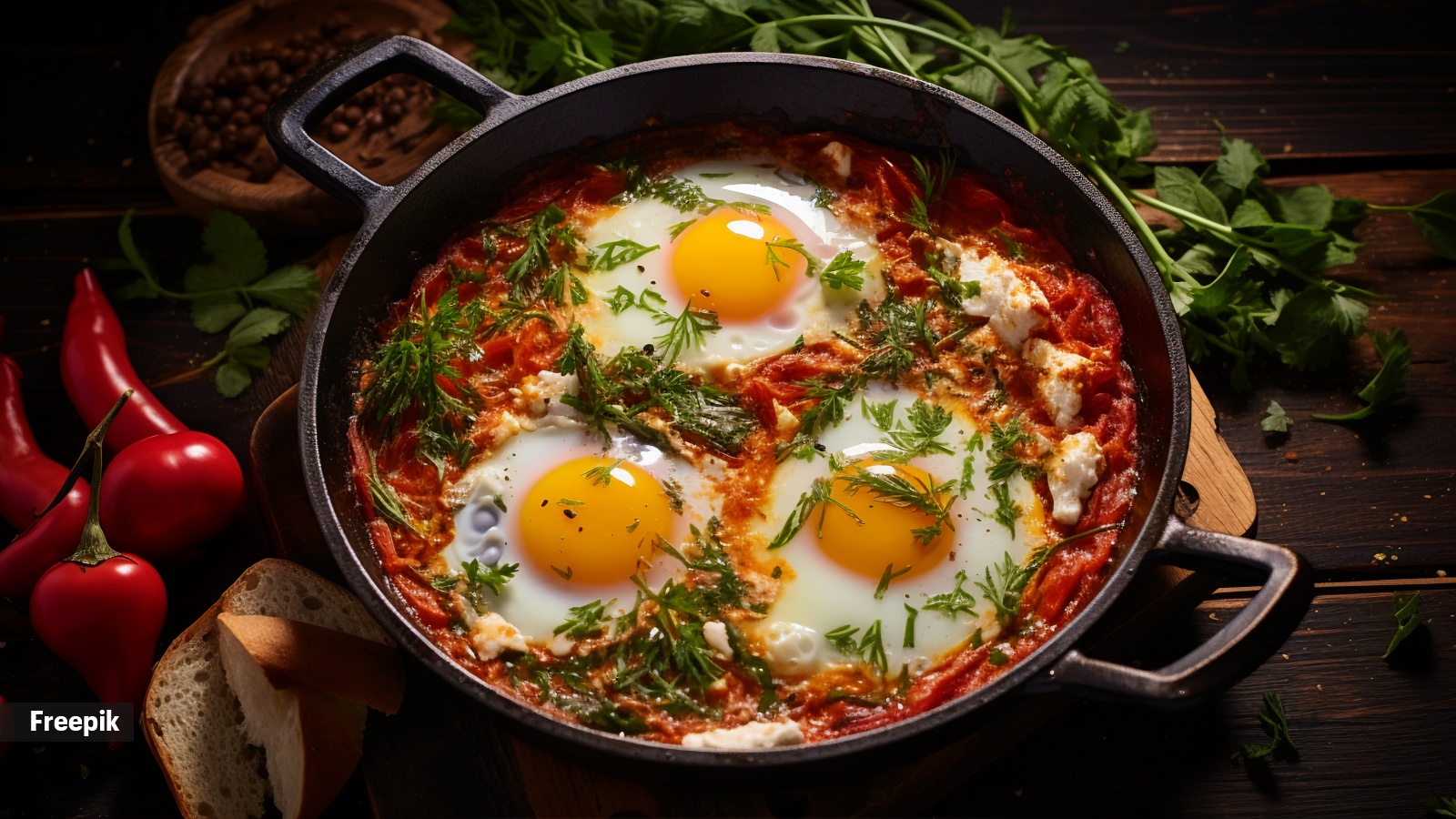
The goal is not to prioritize one meal over another, but to ensure a steady supply of amino acids to the bloodstream. Incorporating foods like eggs, paneer, curd, lentils, and sprouts into your morning routine can transform your metabolic rhythm. Instead of a breakfast of just tea and toast, adding a protein component ensures you are not operating on a caloric deficit of nutrients during your most active hours.
Frequently Asked Questions
1. Can my body absorb all the protein if I eat it at dinner?
Yes, the body can absorb it, but it may not be utilized as efficiently for muscle building as it would be if spread out.
2. What are the best vegetarian protein sources?
Paneer, sprouts, lentils, Greek yogurt, and soy are excellent options.