Stuck between the crunch of semolina and the tradition of wheat? A senior nutritionist breaks down the fiber, fat, and glycemic impact of your favorite street snack.
- Whole-wheat aata puris offer significantly more fiber than semolina.
- Sooji puris may absorb more oil during deep-frying, increasing fat content.
- Aata shells result in a slower blood sugar spike compared to refined sooji.
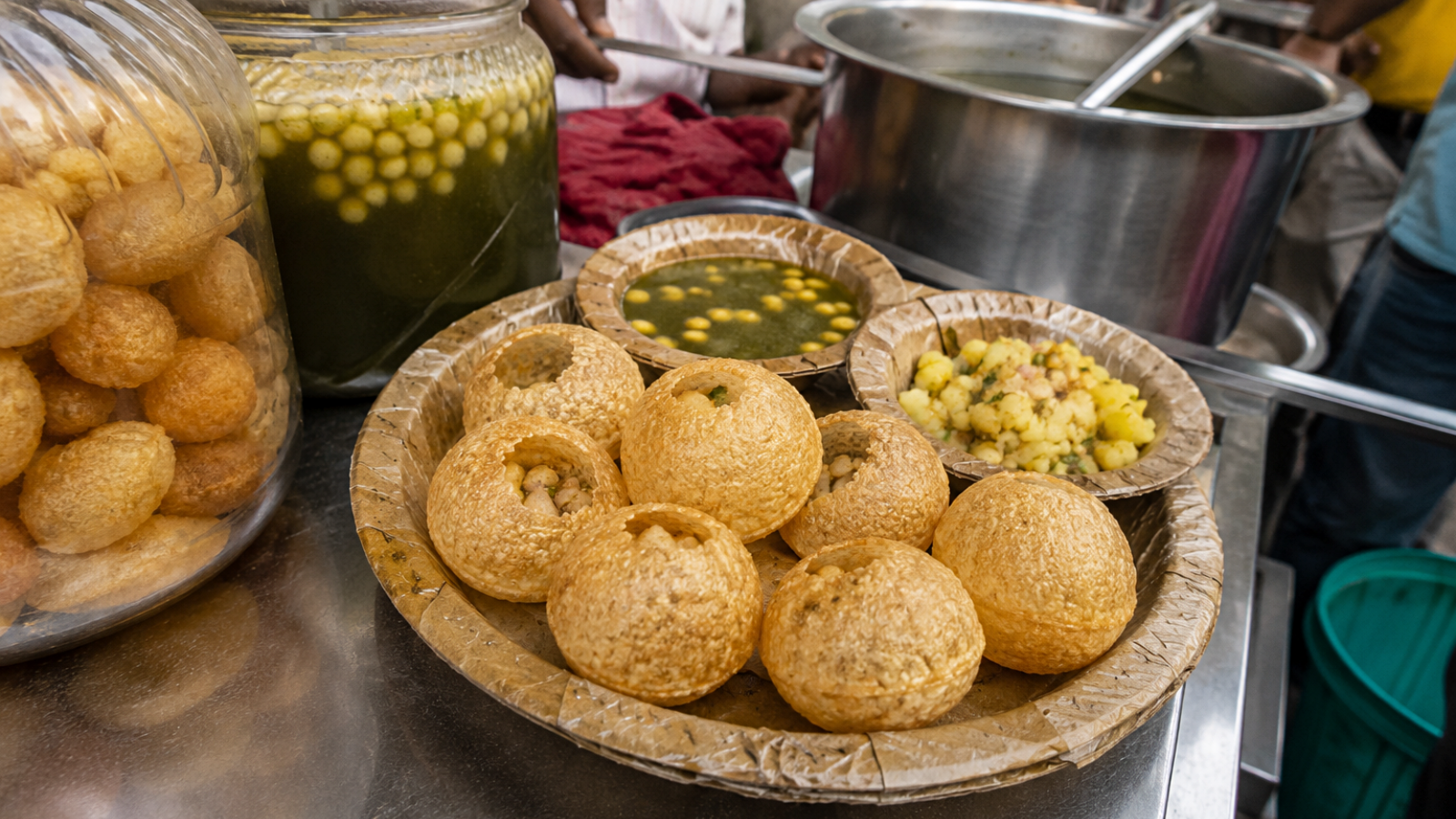
When standing at a street corner in India, the vendor's question—"Sooji ya aata?"—is more than just a preference for texture. While most consumers choose based on the desired 'crunch,' health experts suggest that the composition of the shell has a tangible impact on your body's response to the snack. According to Sadhna Singh, a senior nutritionist and holistic health expert, while neither is a 'superfood,' wheat-based puris hold a nutritional edge.
The Science of Aata vs. Sooji
The fundamental difference lies in the processing of the grain. Whole-wheat aata retains the bran and germ, providing essential fiber that slows down the digestion process. This leads to a gradual release of glucose into the bloodstream. Sooji, on the other hand, is a refined version of wheat (semolina), meaning it is digested much faster, leading to a sharper glycemic response.
Why This Matters
BozokMedia analysis shows that the shift toward refined flours in street food has contributed to higher caloric density and lower micronutrient intake. By opting for whole-wheat, consumers can mitigate some of the negative effects of refined carbs, although the deep-frying process remains a critical health concern.
"Aata versions tend to have more fiber, slower digestion, and a lower glycemic hit than sooji." - Sadhna Singh, Senior Nutritionist.
The Oil Absorption Dilemma
Texture is where sooji usually wins, but it comes at a cost. Semolina puris are prized for their rigidity and crispness, but this structure can often act like a sponge, absorbing more oil during the frying process. This increases the overall fat content per piece. Regardless of the flour used, the deep-frying method remains the primary health hurdle.
| Feature | Whole-Wheat Aata | Semolina Sooji |
|---|---|---|
| Fiber Content | High | Low (Refined) |
| Digestion Speed | Slow | Fast |
| Oil Absorption | Moderate | Potentially Higher |
| Micronutrients | Rich in Vitamins/Minerals | Minimal |
Historical Background and Context
Historically, the 'puri' in Indian street snacks was almost exclusively made from wheat. The introduction of sooji was a commercial evolution to ensure the shells remained crisp for longer periods under humid conditions. However, the nutritional trade-off is the loss of the wheat kernel's outer layer, which contains the majority of the B-vitamins and minerals.
Frequently Asked Questions
Q1: Does choosing aata make golgappas a healthy meal?
A: No. They are still deep-fried snacks. Aata is simply a 'better' choice compared to refined sooji, but portion control is key.
Q2: Why are sooji golgappas crunchier?
A: The coarse texture of semolina creates a more rigid structure when fried, which provides that signature 'snap' compared to the softer wheat version.