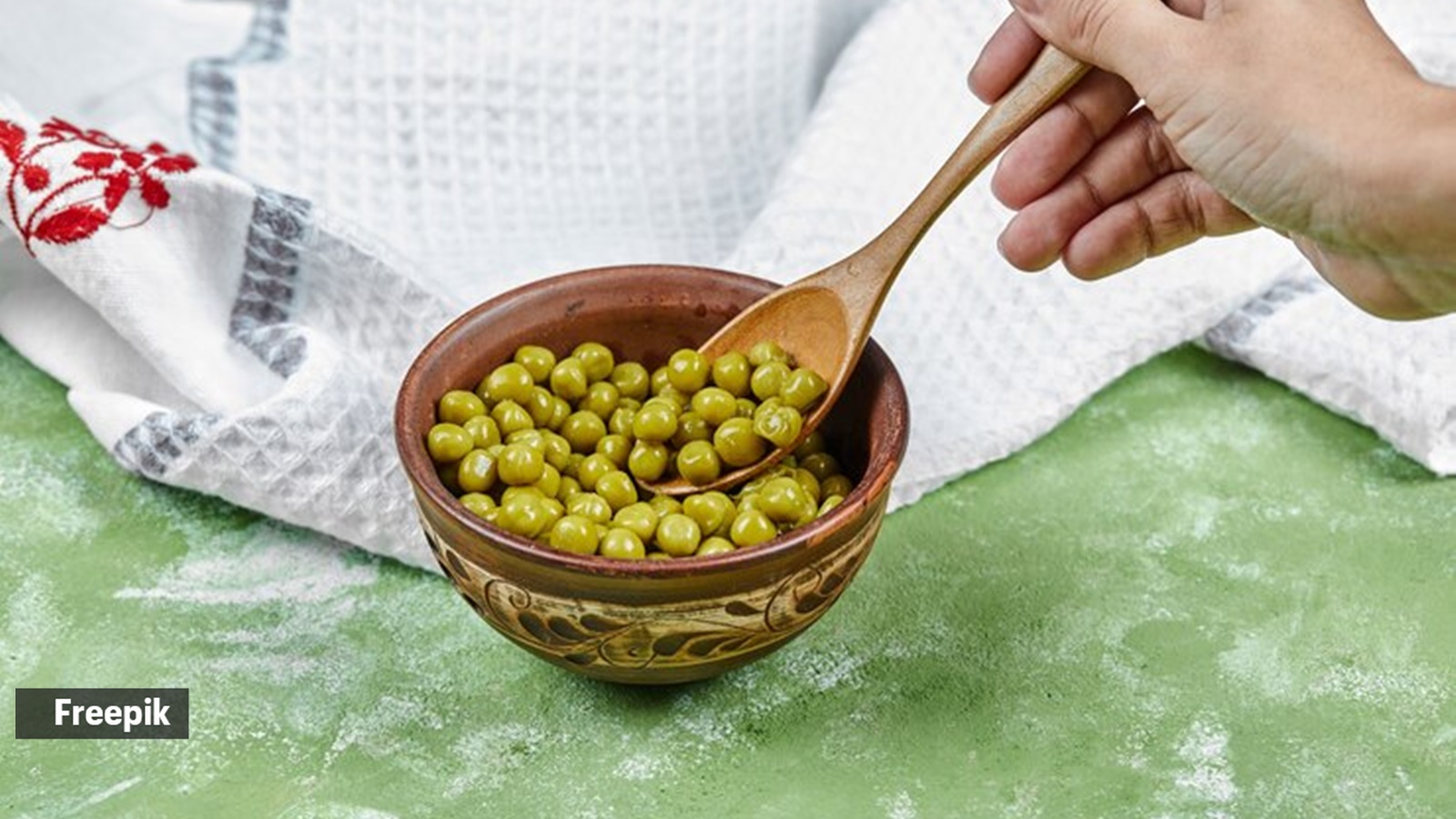
The vivid green hue of commercial salted peas may be a sign of harmful artificial dyes. Experts suggest a quick water-based test to ensure your snacks are safe for consumption.
- Bright green salted peas may contain synthetic artificial colors.
- These dyes are linked to childhood hyperactivity and allergic reactions.
- A simple 30-minute water test can detect the presence of artificial dyes.
Following widespread reports of adulteration in turmeric and tomato ketchup, health experts are now sounding the alarm regarding salted green peas. While these crunchy snacks are a staple in many households, their vibrant appearance may be a deceptive mask for synthetic additives.
According to Simrat Kathuria, CEO and head dietitian at The Diet Xperts, commercial manufacturers often use artificial coloring to make the peas look fresher and more appealing to consumers, tricking them into believing the product is healthier than it actually is.
The Hidden Health Risks
Clinical dietitian Garima Goyal highlights that dyes such as Tartrazine (Yellow 5), Red 40, and Brilliant Blue FCF are frequently used in processed snacks. These chemicals can trigger severe allergic reactions, including skin rashes and swelling. More alarmingly, long-term ingestion can lead to toxin build-up in the liver and kidneys.
Artificial food dyes can significantly impair focus and energy levels in children, leading to behavioral issues.
Beyond coloring, the high sodium content in these snacks is a critical concern. The World Health Organization (WHO) recommends a daily salt limit of less than 5 grams. Many packaged salted peas exceed this in a single serving, increasing the risk of hypertension, stroke, and heart disease.
BozokMedia Analysis: Why This Matters
BozokMedia analysis shows a disturbing trend where corporate 'shelf-appeal' is prioritized over public health. The use of synthetic dyes is a cost-cutting measure to hide poor-quality raw materials. This highlights a systemic gap in food labeling transparency and the urgent need for consumer vigilance.
How to Perform the Adulteration Test
To check your snacks at home, follow this simple procedure: Place a handful of salted peas in a glass, add water, mix well, and let it sit for 30 minutes. If the water turns green, the peas are likely adulterated with artificial dyes.
| Feature | Commercial Salted Peas | Homemade Salted Peas |
|---|---|---|
| Coloring | Synthetic/Vivid Green | Natural/Muted Green |
| Sodium Content | Very High | Controlled |
| Health Impact | Risk of Allergies/Toxins | Nutritious & Safe |
Frequently Asked Questions
Q1: Are all packaged green peas dangerous?
Not necessarily, but those with unnaturally bright colors and vague ingredient lists should be avoided.
Q2: How can I reduce the risks of eating processed snacks?
Read labels carefully for 'no artificial colors' and balance your intake by eating whole, fresh foods.

