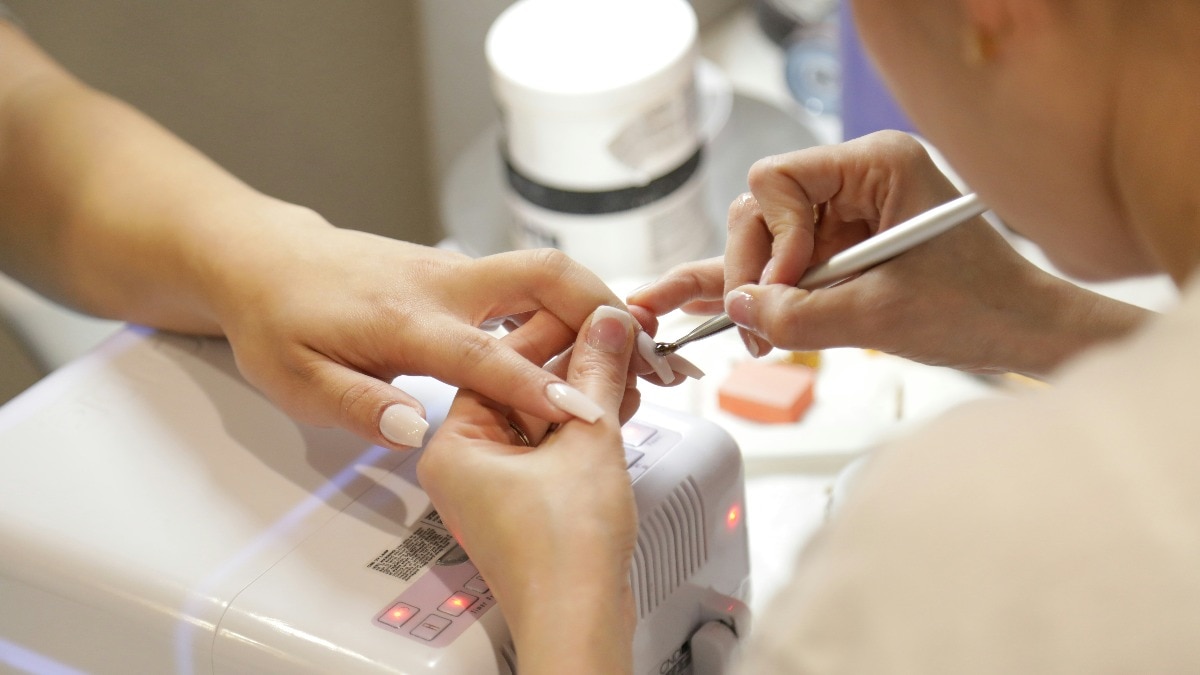
As health concerns regarding gel nail applications rise in the UK, a debate has emerged over whether India should implement similar restrictions to protect consumer health.
- Health experts in the UK are raising alarms over chemical exposure in gel nail applications.
- Potential risks include skin allergies, respiratory issues, and nail damage.
- The debate highlights the need for stricter cosmetic regulations in India.
The beauty industry in the United Kingdom (UK) is facing intense scrutiny as health professionals raise concerns regarding the widespread use of gel nails. While these manicures offer durability and aesthetic appeal, the chemical composition used in their application is coming under the microscope.
The Chemical Concern
The primary issue lies in the use of certain acrylates and the intense UV light required to cure the gel. Experts warn that frequent exposure can lead to contact dermatitis, systemic allergies, and even long-term damage to the natural nail bed. If the products used do not meet stringent safety standards, the risks to the consumer increase exponentially.
Why This Matters
BozokMedia analysis shows that as the beauty and grooming market in India continues its meteoric rise, the adoption of international beauty trends often outpaces regulatory oversight. The UK's current debate serves as a critical case study for Indian regulators regarding the safety of synthetic cosmetic enhancements.
The intersection of rapid beauty trends and chemical safety requires immediate regulatory attention to prevent widespread dermatological issues.
In India, the salon industry is vast and highly fragmented. While the Central Drugs Standard Control Organization (CDSCO) regulates cosmetics, the specific application protocols for gel nails in local parlors often lack standardized monitoring, making consumer safety a significant concern.
Historical Background
Gel nail technology evolved from traditional acrylics to provide a more flexible and natural look. However, the shift toward faster-curing formulas has led to an increased reliance on stronger chemical bonds, which has historically been linked to increased sensitivity in users.
Frequently Asked Questions
Question 1: Are gel nails inherently dangerous?
Answer: They are not inherently dangerous if high-quality, regulated products are used, but improper application poses significant risks.
Question 2: Will India ban gel nails?
Answer: While a total ban is unlikely, India may introduce stricter labeling and ingredient testing requirements for salon professionals.