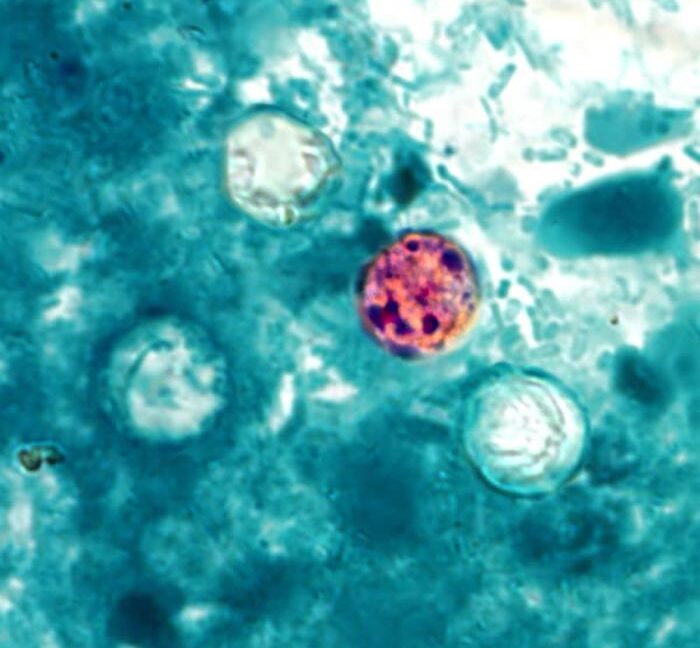
The US government is defunding vital research into the Cyclospora parasite despite a staggering surge of nearly 30,000 cases reported by the CDC this summer.
- Two out of three USDA Cyclospora research programs have been completely defunded.
- Remaining scientists are refusing to relocate from Maryland to Iowa, leading to a total brain drain.
- The CDC has recorded nearly 30,000 confirmed and probable cases of the diarrheal pathogen.
In a move that has sparked alarm among public health experts, the Trump administration is systematically dismantling federal research efforts focused on Cyclospora, a foodborne parasite responsible for severe gastrointestinal illness. According to reports by Politico, this decision comes at a critical juncture when the United States is grappling with a record-breaking nationwide outbreak.
The US Department of Agriculture (USDA) previously managed three primary research programs dedicated to understanding and combating this pathogen. Currently, two of these programs have been entirely stripped of their funding. The third program faces an existential crisis; while funding technically remains, the administration is shuttering the Beltsville Agricultural Research Center in Maryland and relocating operations to Iowa.
The logistical shift has resulted in a catastrophic loss of expertise. Insiders reveal that not a single scientist currently working on the Cyclospora project is willing to relocate to Iowa. This has led to a wave of early retirements, reassignments to unrelated projects, or complete departures from the USDA's research services, effectively leaving the nation without its primary experts on the parasite.
Why This Matters
BozokMedia analysis shows that the intersection of political restructuring and public health crises often leads to dangerous gaps in surveillance. By removing the human capital necessary to track and mitigate foodborne pathogens, the government risks leaving the food supply chain vulnerable to prolonged outbreaks that could have been prevented with active research.
"The abandonment of specialized research during an active outbreak is a gamble with public health that the American consumer will ultimately pay for."
Historically, Cyclospora has been linked to imported fresh produce, particularly berries and leafy greens. Because the parasite is notoriously difficult to culture in a laboratory setting, the loss of seasoned scientists who possess the specific technical know-how to study it is an irreplaceable blow to the CDC's ability to trace contamination sources.
| Metric | Previous Status | Current Status |
|---|---|---|
| USDA Programs | 3 Active Programs | 1 Underfunded/Empty |
| Research Hub | Beltsville, Maryland | Iowa (Unstaffed) |
| Case Volume | Seasonal Spikes | Record-breaking ~30,000 cases |
Frequently Asked Questions
Q1: What are the symptoms of a Cyclospora infection?
A: It typically causes watery diarrhea, stomach cramps, nausea, and fatigue, often lasting for weeks if left untreated.
Q2: Why is the relocation to Iowa causing a staffing crisis?
A: Many senior scientists have established lives and families in the Maryland/DC area and prefer retirement or resignation over a cross-country move.