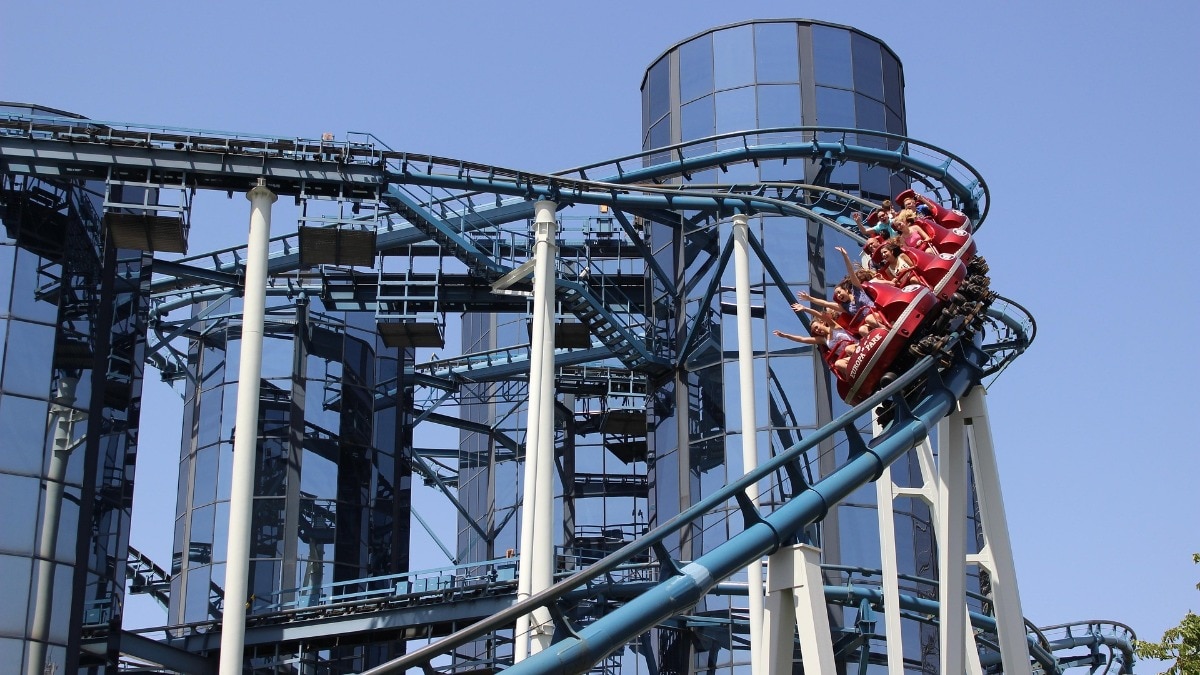
Reports of two women suffering serious brain haemorrhages after riding an extreme roller coaster in California have sparked a medical debate. Experts warn that while rare, underlying vulnerabilities can turn a thrill ride into a medical emergency.
- Two women developed severe brain bleeds after riding the X2 coaster at Six Flags Magic Mountain.
- Sudden acceleration and high G-forces can cause brain movement within the skull.
- Individuals with aneurysms, hypertension, or on blood thinners face significantly higher risks.
- 'Thunderclap' headaches post-ride are critical red flags requiring immediate ER visits.
In a startling medical development, two women in California reportedly suffered serious brain haemorrhages shortly after riding the X2, an extreme roller coaster at Six Flags Magic Mountain. The injuries observed by surgeons mirrored the trauma typically seen in high-speed vehicular collisions, where the brain undergoes rapid shifting and twisting against the interior of the skull.
While the cases are statistically rare, they highlight the physiological impact of sudden acceleration, deceleration, and powerful G-forces on the human brain. The core issue is not that these rides are inherently dangerous for everyone, but that they can act as a catalyst for those with pre-existing medical vulnerabilities.
The Mechanics of Brain Trauma on Rides
According to Dr. Jaideep Bansal, Principal Director and Head of Neurology at Fortis Hospital, Shalimar Bagh, the forces exerted during extreme rides can create a 'whiplash' effect. As the head and neck move violently, the brain continues to move due to inertia, potentially stressing the delicate blood vessels surrounding it.
"While brain haemorrhage is exceptionally rare, the forces can theoretically cause tearing of bridging veins leading to subdural haematoma, or dissection of neck arteries leading to stroke."
Why This Matters
BozokMedia analysis shows that the amusement park industry often relies on general health warnings, but there is a critical gap in individual risk assessment. The distinction between a 'thrill' and a 'trauma' often lies in undiagnosed conditions like cerebral aneurysms or AVMs, which may remain dormant until subjected to extreme physical stress.
Who is Most at Risk?
The risk is heavily dependent on an individual's underlying vascular health. Dr. Bansal identifies several high-risk categories that should exercise extreme caution:
able class="comparison-table">Identifying the Red Flags
Post-ride dizziness or mild headaches are common. However, a 'thunderclap headache'—one that reaches peak intensity almost instantly—is a medical emergency. Other warning signs include persistent neck pain, vomiting, confusion, slurred speech, or unilateral weakness. Dr. Bansal emphasizes that these symptoms warrant immediate emergency evaluation rather than self-medication or sleep.
Frequently Asked Questions
Q1: Are extreme roller coasters unsafe for the general public?
No, for the vast majority of healthy individuals without vascular issues, these rides are safe. The risk is concentrated among those with specific health predispositions.
Q2: What should I do if I experience severe neck pain after a ride?
You should seek medical attention immediately to rule out arterial dissection or other spinal/vascular injuries.


