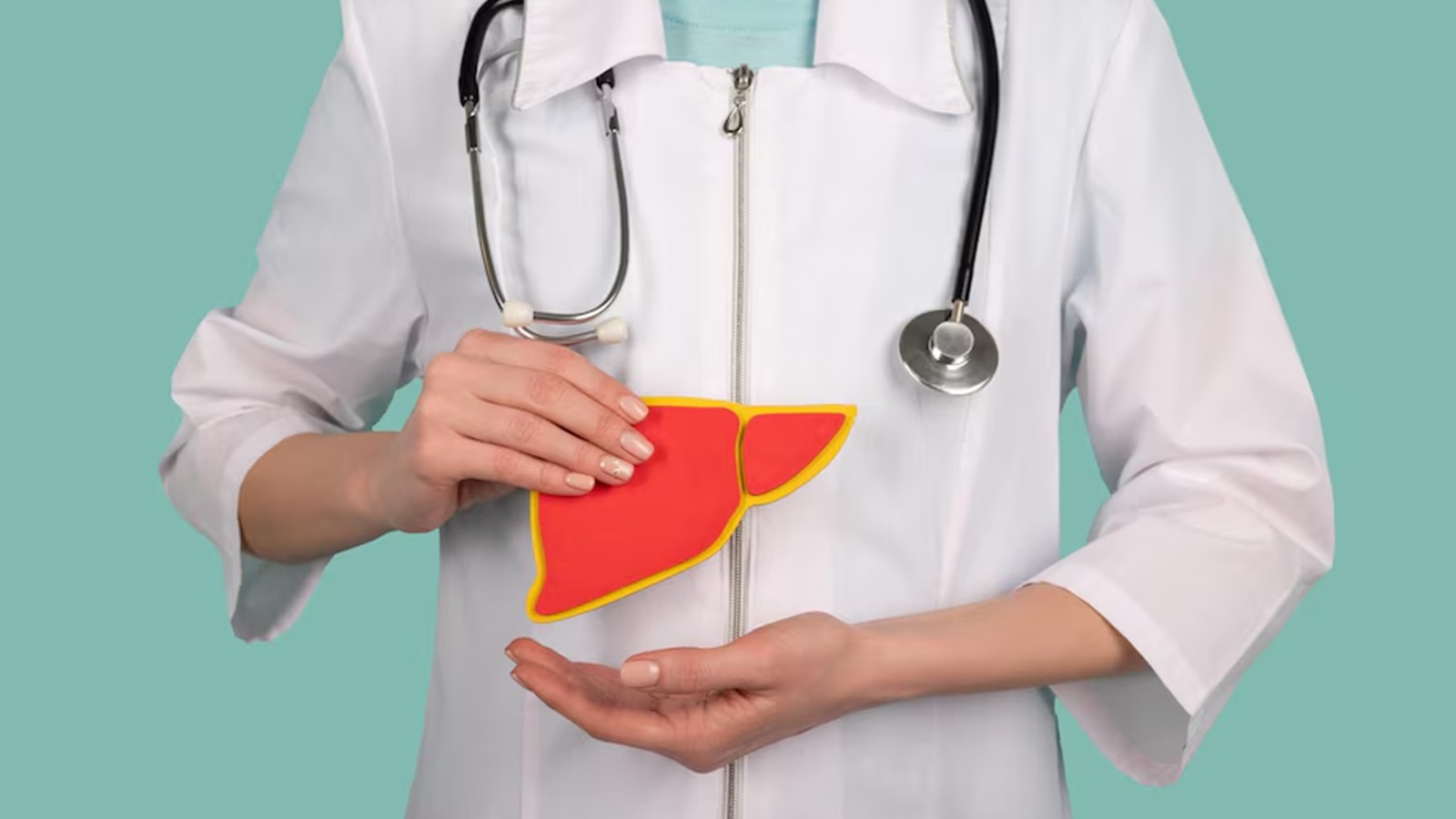
In a landmark achievement for healthcare in Gujarat, Zydus Hospital in Ahmedabad has successfully completed over 300 liver transplants, establishing itself as a premier center for hepatobiliary surgery.
- Zydus Hospital, Ahmedabad has crossed the milestone of 300 liver transplants, the highest in Gujarat.
- The center specializes in living donor, deceased donor, and ABO-incompatible transplantations.
- Rising prevalence of Non-Alcoholic Fatty Liver Disease (NAFLD) is driving the urgency for advanced liver care.
Zydus Hospital in Ahmedabad has reached a historic milestone by performing over 300 liver transplants, marking it as the leading facility for such procedures in the state of Gujarat. This achievement underscores the hospital's commitment to tackling the growing burden of end-stage liver diseases through cutting-edge surgical intervention and comprehensive post-operative care.
The surge in these procedures is closely linked to the rise of Non-Alcoholic Fatty Liver Disease (NAFLD). Driven by sedentary lifestyles, processed diets, and a lack of physical activity, NAFLD now affects approximately 1 in 4 adults globally. If left unchecked, this condition progresses to Non-Alcoholic Steatohepatitis (NASH), cirrhosis, and potentially liver cancer, necessitating urgent transplant interventions.
Why This Matters
BozokMedia analysis shows that the success of a liver transplant depends not just on the surgery itself, but on a seamless multidisciplinary ecosystem. Zydus Hospital has integrated liver transplant surgeons, critical care specialists, anesthesiologists, hepatologists, gastroenterologists, and nephrologists under one roof. This synergy is critical for Simultaneous Liver-Kidney Transplantation (SLKT) and emergency acute-on-chronic liver failure (ACLF) cases.
"Almost 40% of our patients arrive with acute-on-chronic liver failure (ACLF), and need a transplant within 24 to 36 hours of arriving." - Dr. Anand Khakhar, Liver Transplant Surgeon.
The hospital's portfolio includes high-risk cases, such as a 12-year-old boy from Junagadh who arrived in a comatose state on ventilator support. Through meticulous stabilization and a donor transplant from the mother, the child was successfully saved. Another complex case involved a 22-year-old architecture student with an ABO-incompatible blood group, which required continuous plasma exchange and a splenectomy to make the transplant viable.
Infrastructure Excellence: According to Dr. Yash Patel, the facility is equipped with modular advanced Operation Theatres (OTs), dedicated liver ICUs, high-end MRI facilities, and FibroScan imaging. This infrastructure allows the team to handle the most volatile cases with precision.
Interestingly, the hospital has noted a rise in 'Lean NASH,' where patients with normal body mass index (BMI) suffer from visceral fat accumulation around the liver. A recent case involved a 37-year-old patient airlifted from Chandigarh who, despite weighing only 43kg at 6ft tall, required an urgent transplant due to severe CLD.
Frequently Asked Questions
Q1: Can a transplant occur if the blood groups of the donor and recipient do not match?
Yes, through a process called ABO-incompatible transplantation, involving plasma exchange and immunosuppressants, surgeons can successfully transplant organs despite blood group mismatches.
Q2: Is obesity the only cause of fatty liver disease?
No. 'Lean NASH' proves that individuals with a normal weight can still develop severe liver inflammation and scarring due to genetic factors or visceral fat distribution.