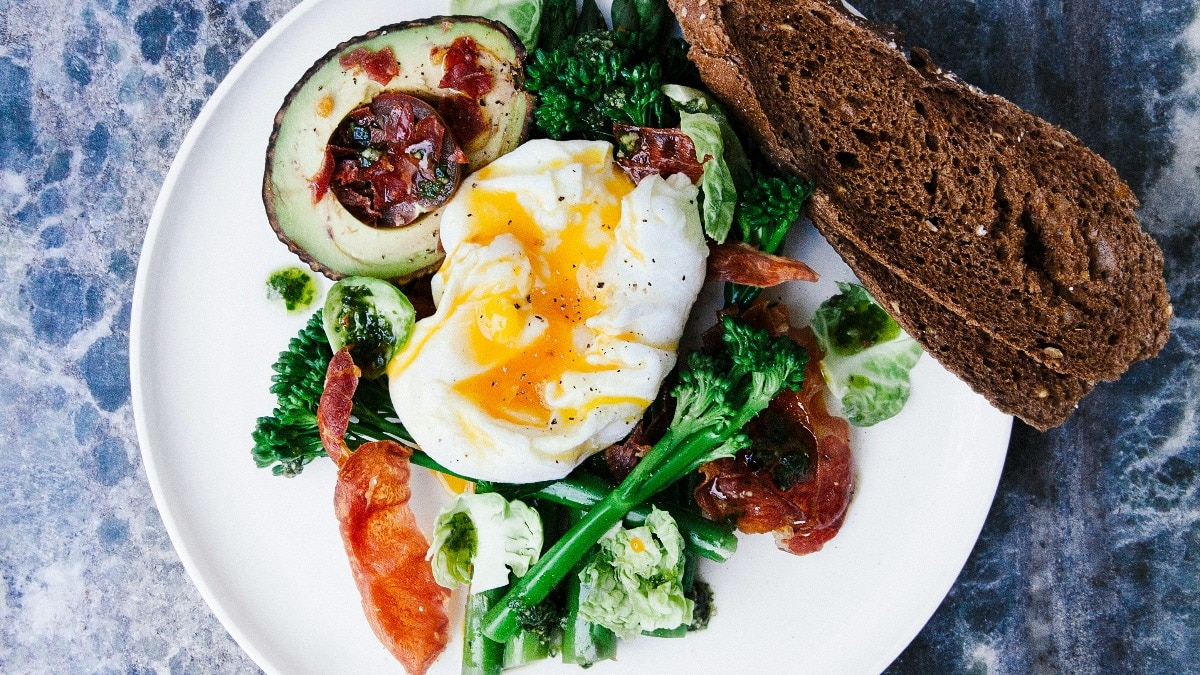
Many people swap junk food for granola or smoothies thinking they are calorie-free. However, experts warn that these 'healthy' alternatives can actually lead to weight gain if portions aren't controlled.
- Healthy ingredients do not automatically mean low calories.
- Portion control is the most critical factor in weight management.
- Always read the ingredient list rather than relying on front-of-pack marketing.
In the quest for better health, many individuals make conscious swaps: choosing granola over biscuits, fruit smoothies over sugary desserts, or homemade date laddoos over refined sugar sweets. While these are undoubtedly better nutritional choices, a common pitfall remains: the assumption that food is calorie-free simply because it is made with 'healthy' ingredients.
The Illusion of Healthy Eating
According to Nutrition and Holistic Wellness Coach Eshanka Wahi, the concept of healthy eating is often misunderstood when it comes to quantity. BozokMedia analysis shows that consumers frequently focus on the quality of ingredients while completely ignoring the caloric density of the food they consume.
The 5 Hidden Calorie Culprits
Here is a breakdown of five foods that often masquerade as diet-friendly options but can significantly impact your daily calorie count:
- Granola: While oats and seeds are nutritious, many commercial granolas are loaded with added sugars, honey, or syrups. Furthermore, the actual serving size is often much smaller than what people typically consume in a bowl.
- Nuts and Nut Butters: These are powerhouses of protein and healthy fats, but they are incredibly calorie-dense. Eating directly from a large bag or spooning nut butter straight from the jar can lead to accidental overconsumption.
- Smoothies: A smoothie can quickly turn into a high-calorie beverage if you combine multiple calorie-rich ingredients like milk, yogurt, dates, honey, and nut butter in a single drink.
- Dried Fruits: Because water is removed during the drying process, dried fruits are much more concentrated. It is very easy to eat a large volume of calories in a very small physical portion.
- Homemade Healthy Laddoos: Even if made with jaggery, dates, and ghee, these treats are still energy-dense. Swapping refined sugar for jaggery improves the nutritional profile, but it does not make the food calorie-free.
Why This Matters
Understanding the difference between nutritional value and caloric density is essential for anyone looking to manage their weight. A food can be nutrient-dense (full of vitamins) and calorie-dense (full of energy) at the same time.
Healthy food can still contribute to excess calorie intake if portions are ignored.
| Food Item | Nutritional Benefit | Calorie Risk |
|---|---|---|
| Granola | Fiber & Oats | Added sugars & syrups |
| Nuts | Healthy Fats | High caloric density |
| Smoothies | Vitamins | Ingredient stacking |
| Dried Fruits | Concentrated Nutrients | Rapid calorie intake |
Frequently Asked Questions
1. Should I stop eating nuts to lose weight?
No, nuts are essential, but you must portion them out instead of eating them mindlessly from a large packet.
2. Is a fruit smoothie always a healthy choice?
Not necessarily. If it contains multiple sweeteners and fats, it can be as caloric as a milkshake.