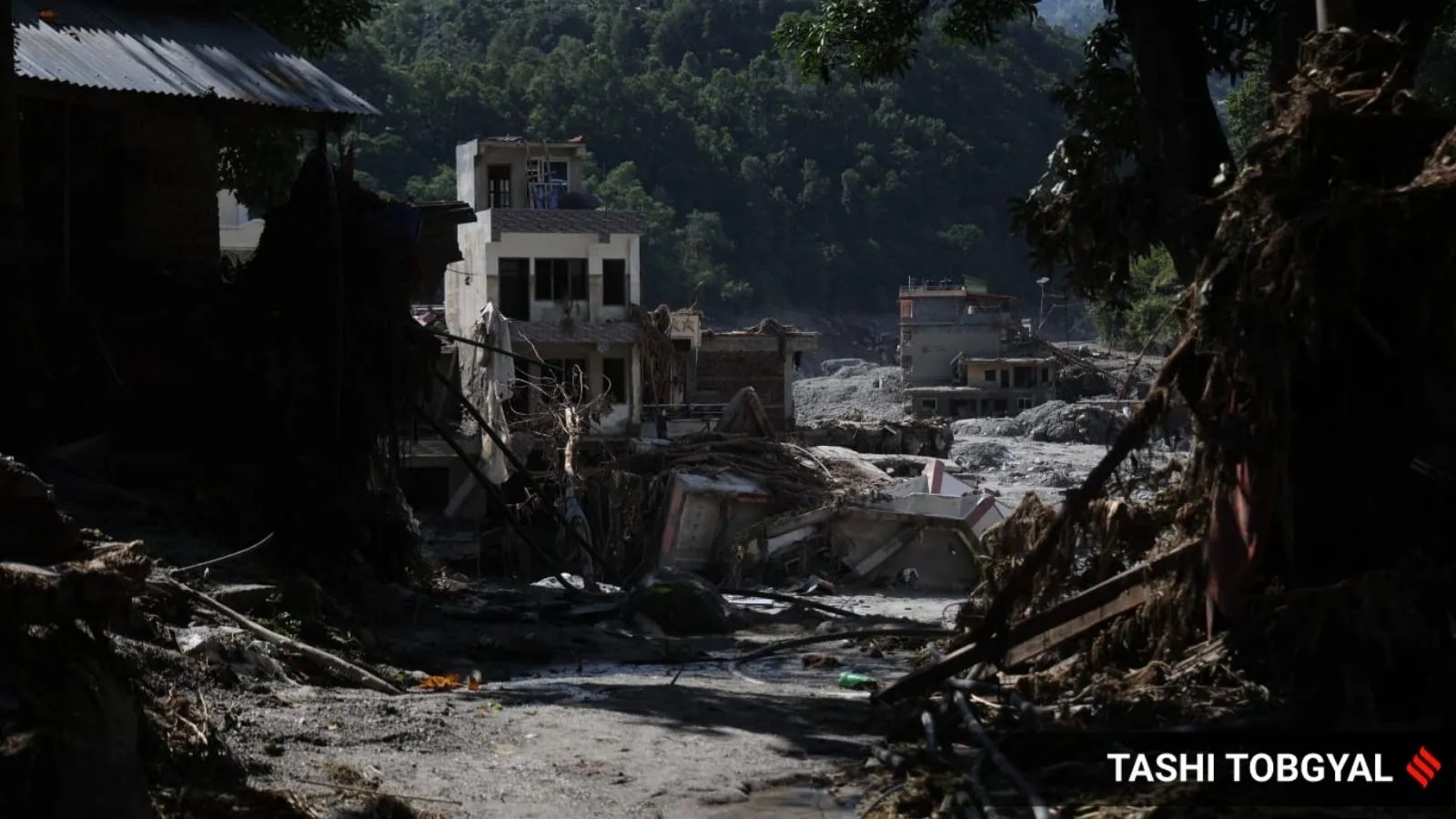
Following the devastating floods in Nepal and Bihar, the state's Fisheries Department has issued a strict advisory against consuming fish caught from contaminated floodwaters due to high toxicity risks.
- Bihar's Animal and Fisheries Resources Department has advised against buying, selling, or eating fish from floodwaters.
- Contamination sources include sewage, animal waste, and chemical pollutants.
- Cooking does not guarantee the removal of chemical toxins or heavy metals.
In the wake of catastrophic flash floods in Nepal and subsequent waterlogging in the plains of Bihar, the state's Animal and Fisheries Resources Department has issued an urgent public health advisory. The department has explicitly warned citizens to refrain from purchasing, selling, or consuming any fish caught from flood-affected water bodies, citing severe contamination risks.
During flood events, the natural boundaries between rivers, ponds, and sewage channels dissolve. Dr. Saiprasad Girish Lad, a consultant gastroenterologist at Wockhardt Hospitals, Mumbai, explained that fish can easily be swept into waters contaminated with sewage, animal carcasses, and various pollutants. This exposure introduces microorganisms into the fish that are not typically found in their natural habitat, posing a significant biological threat to consumers.
Why This Matters
BozokMedia analysis shows that post-disaster food safety is often overlooked during relief efforts. The intersection of environmental disaster and food supply chains creates a high-risk window for mass foodborne illnesses. As floodwaters recede, the biological and chemical load left behind in the ecosystem can turn a staple food source like fish into a vector for disease.
Even thorough cooking cannot neutralize chemical contaminants or toxins that have accumulated within the fish's tissues during flood exposure.
Adding to the complexity, reports have surfaced regarding the presence of Goonch Catfish from Nepal's Trishuli River in Bihar's waters. These large, scavenging fish are known to reside near cremation sites and feed on organic remains, making them particularly hazardous if consumed. Dr. Shankar Zanwar of Gleneagles Hospital, Mumbai, noted that contaminated fish may not exhibit unusual smells or tastes, making it nearly impossible for the average consumer to detect danger.
| Risk Factor | Biological Risk (Bacteria/Viruses) | Chemical Risk (Pollutants/Toxins) |
|---|---|---|
| Source | Sewage, dead animals, waste | Industrial runoff, pesticides, chemicals |
| Effect of Cooking | High reduction in risk | Minimal to no effect |
| Detection | Possible via smell/texture | Extremely difficult to detect |
The immediate health concerns include acute food poisoning, characterized by vomiting, diarrhea, abdominal cramps, and fever. For vulnerable populations such as children and the elderly, these symptoms can rapidly lead to severe dehydration and life-threatening complications if medical intervention is delayed.
Frequently Asked Questions
1. Is it safe to eat fish if it is boiled or fried thoroughly?
While cooking kills many pathogens, it does not remove chemical pollutants or heavy metals that may have been absorbed by the fish.
2. What should I do if I feel sick after eating fish?
Monitor for symptoms like persistent vomiting or dizziness. If symptoms persist, seek professional medical attention immediately rather than self-medicating.