A seven-year-old girl has died and over 70 villagers have fallen ill in Andhra Pradesh's Polavaram district following the administration of chloroquine tablets during an anti-malaria drive. Chief Minister Chandrababu Naidu has ordered an immediate probe.
- A 7-year-old girl died following the administration of chloroquine tablets.
- Over 70 villagers, including 15 children, reported illnesses.
- Chief Minister N. Chandrababu Naidu has ordered a high-level investigation.
- Medical teams from Kakinada, Rajamahendravaram, and Vijayawada are on-site.
- The suspect medication batch has been sent to Vizag Forensic Lab.
A medical emergency has gripped Gollaguppa village in the Polavaram district of Andhra Pradesh after a seven-year-old girl lost her life and more than 70 people fell ill following the consumption of chloroquine tablets. The tablets were distributed last week as part of a fever-surveillance camp aimed at curbing a surge in local malaria cases.
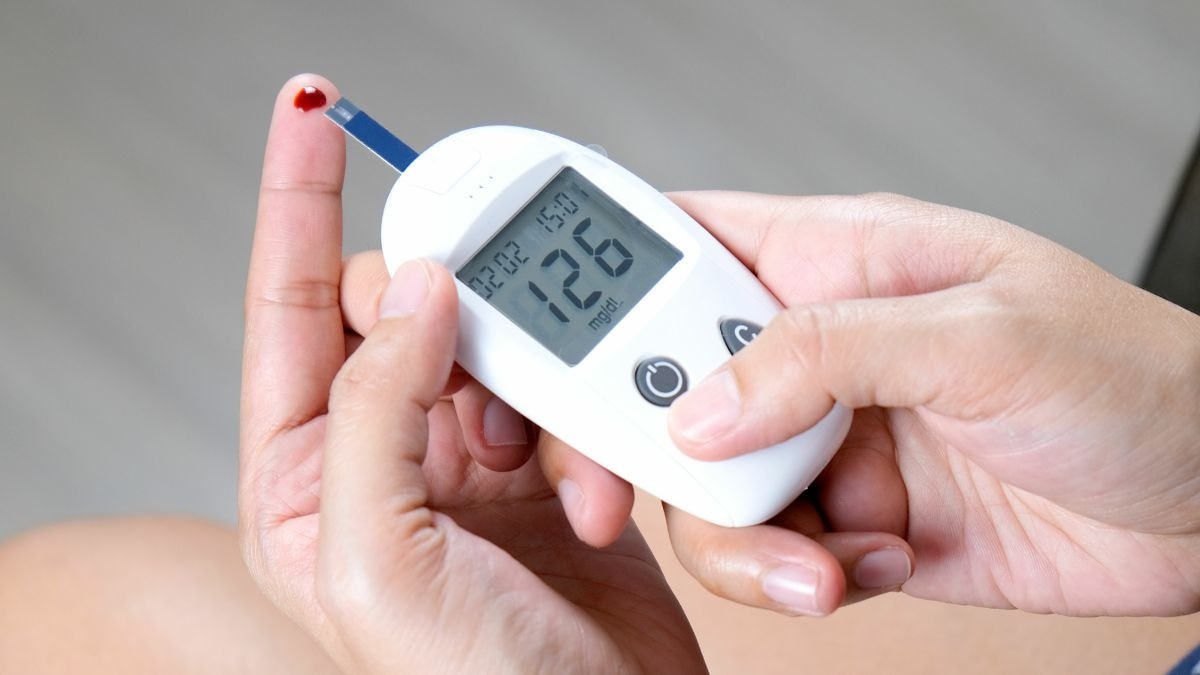
District Collector K. Dinesh Kumar reported that the medical crisis unfolded after the distribution drive, which was initiated because two villagers had tested positive for malaria. The young girl reportedly lost consciousness shortly after taking the medication. Medical officials attributed her death to a severe drop in blood glucose levels. She was rushed from a primary health centre to the Bhadrachalam Area Hospital in Telangana, but unfortunately, she passed away during treatment.
Why This Matters
BozokMedia analysis shows that such incidents highlight the critical need for rigorous post-distribution monitoring in rural health campaigns. When mass medication is administered, even a single batch error can escalate from a localized medical issue to a regional public health crisis.
The rapid deployment of specialized medical teams is crucial to prevent further fatalities and manage public panic in border regions.
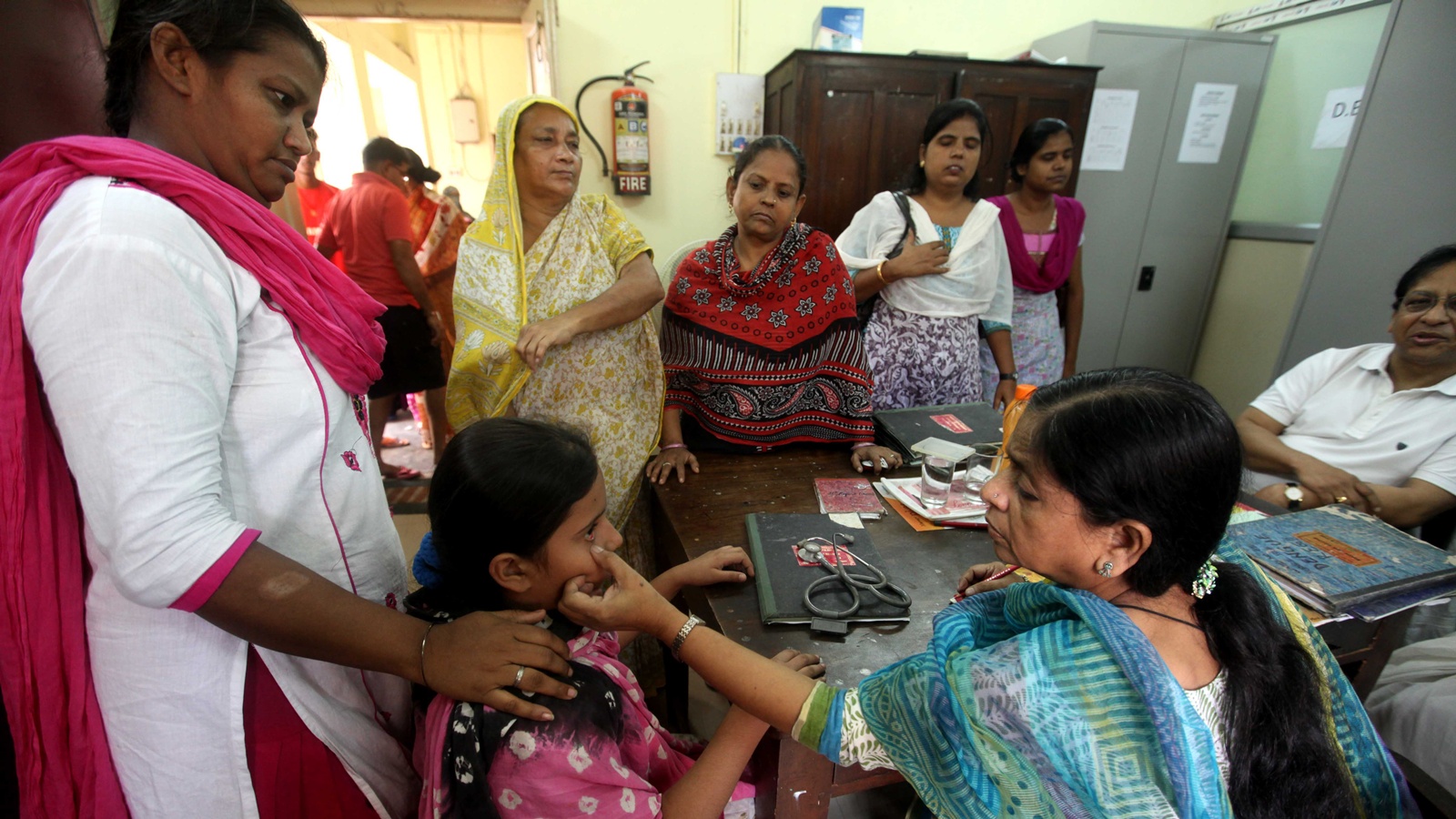
The scale of the illness is significant, with at least 15 children among the affected. Out of 54 villagers taken to the Bhadrachalam Area Hospital as a precaution, 53 are currently undergoing treatment. While the District Collector has stated that all patients are stable and none are in critical condition, the atmosphere in the village remains tense.
To address the emergency, three rapid-response teams consisting of assistant professors, postgraduate doctors, and general physicians have been dispatched from Kakinada, Rajamahendravaram, and Vijayawada. These teams are not only treating the ill but are also conducting comprehensive health profiles for approximately 270 residents to check for comorbidities like sickle cell anaemia.
Regarding the medication, officials noted that while initial quality-control tests were satisfactory, the specific batch used in Gollaguppa has been sent to the Vizag Forensic Laboratory for exhaustive analysis. This step is vital to determine if the adverse reactions were caused by the medication itself or underlying patient vulnerabilities.
Historical Background
The Andhra Pradesh-Telangana border region has historically been a zone of intense focus for malaria eradication programs. While medical advancements have reduced mortality, the logistics of distributing medication in remote, tribal, or border villages often present unique challenges in terms of storage, dosage accuracy, and real-time monitoring.
Frequently Asked Questions
1. What is the current status of the villagers?
According to the District Collector, the affected villagers are stable and receiving medical care.
2. Has the cause of the death been confirmed?
While a drop in blood glucose is suspected, the forensic lab is still analyzing the medication batch to confirm the exact cause.