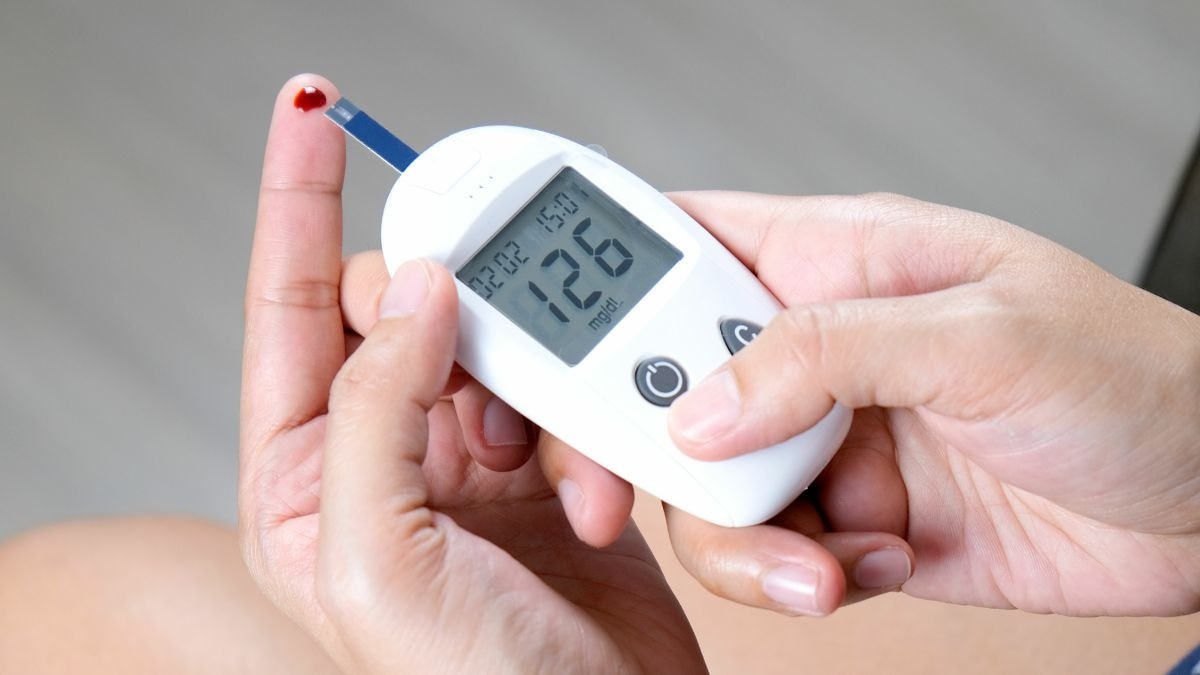
If your parents suffer from diabetes, you may be at a higher risk. AIIMS experts explain the distinction between Type 1 and Type 2 diabetes and how lifestyle can mitigate genetic risks.
- Type 2 diabetes carries a significant hereditary risk for offspring.
- Having one diabetic parent increases your lifetime risk by 30-40%.
- Lifestyle interventions like exercise and weight control can prevent onset.
- Regular HbA1c and fasting glucose monitoring is crucial for high-risk individuals.
Diabetes has emerged as one of the most pressing global health challenges. A common concern among many families is whether a diagnosis of diabetes in parents inevitably leads to the same condition in their children. Experts from AIIMS (All India Institute of Medical Sciences) have provided critical insights into this hereditary link.
To understand the risk, one must first distinguish between the two primary forms of the disease. Type 1 diabetes is typically diagnosed in childhood and requires lifelong insulin therapy. In contrast, Type 2 diabetes is largely driven by lifestyle factors, including poor dietary habits and physical inactivity.
Genetics vs. Lifestyle Factors
According to Dr. Rajesh Khargawat, a professor in the Department of Endocrinology at AIIMS, the risk is quantifiable. If one parent has Type 2 diabetes, an individual's risk of developing the condition increases by approximately 30% to 40%. If both parents are diabetic, the risk escalates significantly.
Genetics may load the gun, but lifestyle pulls the trigger.
Interestingly, Type 1 diabetes often occurs in individuals with no prior family history of the disease. However, for Type 2, while genes provide the predisposition, environmental factors such as obesity and high stress levels often act as the catalysts for its manifestation.
Why This Matters
BozokMedia analysis shows that as urban lifestyles become increasingly sedentary, the intersection of genetic predisposition and poor habits is creating a 'perfect storm' for a diabetes epidemic in South Asia. Understanding your family history is the first step toward proactive prevention.
| Feature | Type 1 Diabetes | Type 2 Diabetes |
|---|---|---|
| Onset | Usually in childhood | Usually in adulthood |
| Primary Cause | Autoimmune response | Lifestyle & Genetics |
| Management | Lifelong Insulin | Diet, Exercise, Medication, sometimes Insulin |
To combat this risk, medical professionals recommend a rigorous approach to wellness. This includes at least 45 minutes of daily physical activity, maintaining a healthy body mass index (BMI), and managing mental stress. Regular screenings, specifically HbA1c and fasting blood sugar tests, are essential for early detection.
Frequently Asked Questions
1. Is Type 1 diabetes passed down from parents?
Not necessarily; it often occurs without a significant family history.
2. What is the best way to prevent Type 2 diabetes?
A combination of a balanced diet, regular exercise, and weight management is most effective.