Senior journalists discuss the critical rollout of HPV vaccinations across Indian states to combat cervical cancer, alongside the rising threats of climate change and metabolic diseases.
- Expansion of HPV vaccination across Indian states to prevent cervical cancer.
- The intersection of climate change and growing metabolic health crises.
- Deep dive into public health developments by veteran journalists.
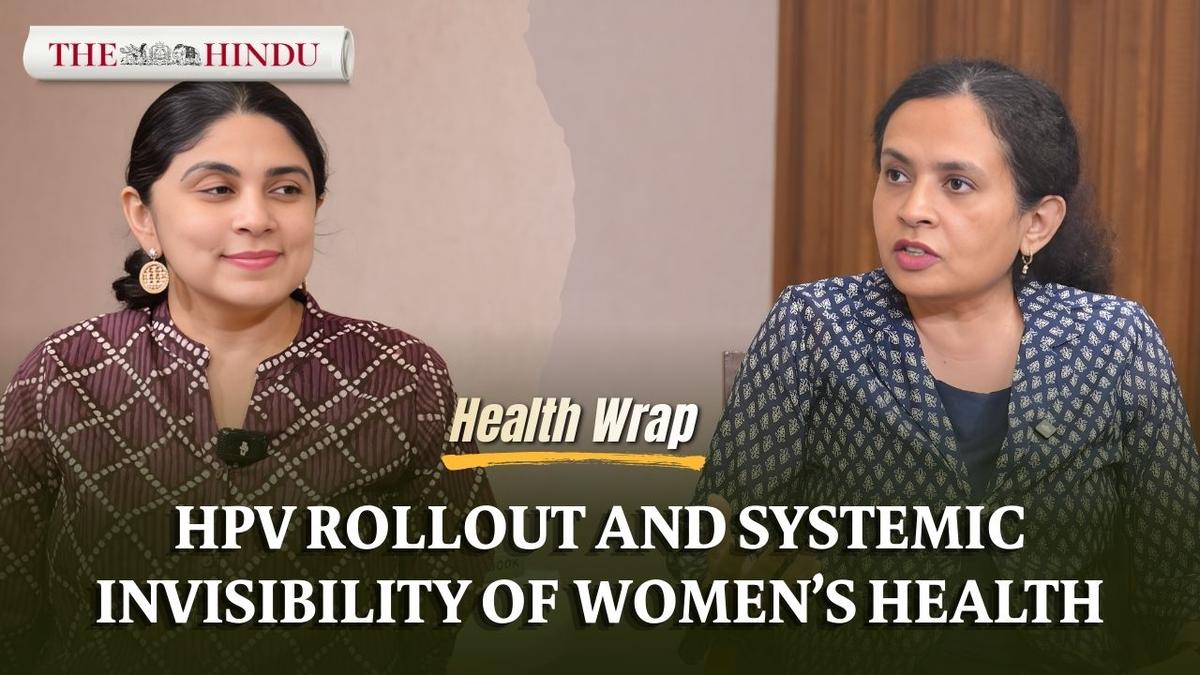
In a comprehensive recent episode of Health Wrap, senior health journalists Ramya Kannan and Zubeda Hamid dissected the most pressing developments in the public health sector. A primary focus of their analysis was the strategic rollout of the Human Papillomavirus (HPV) vaccine across various Indian states, a move aimed at curbing the devastating impact of cervical cancer.
Cervical cancer remains a leading cause of mortality among women in India, claiming thousands of lives annually. The implementation of the HPV vaccination program represents a proactive shift toward preventive medicine, aiming to protect young populations before exposure to the virus occurs. This initiative is seen as a vital step in reducing the national burden of oncological diseases.
Why This Matters
BozokMedia analysis shows that the success of such large-scale immunization programs is contingent upon robust supply chains and widespread public awareness. As India navigates complex demographic shifts, addressing preventable cancers through vaccination is not just a medical necessity but a socioeconomic imperative to ensure a healthy future workforce.
Preventive vaccination remains the most cost-effective tool in the global fight against preventable cancers.
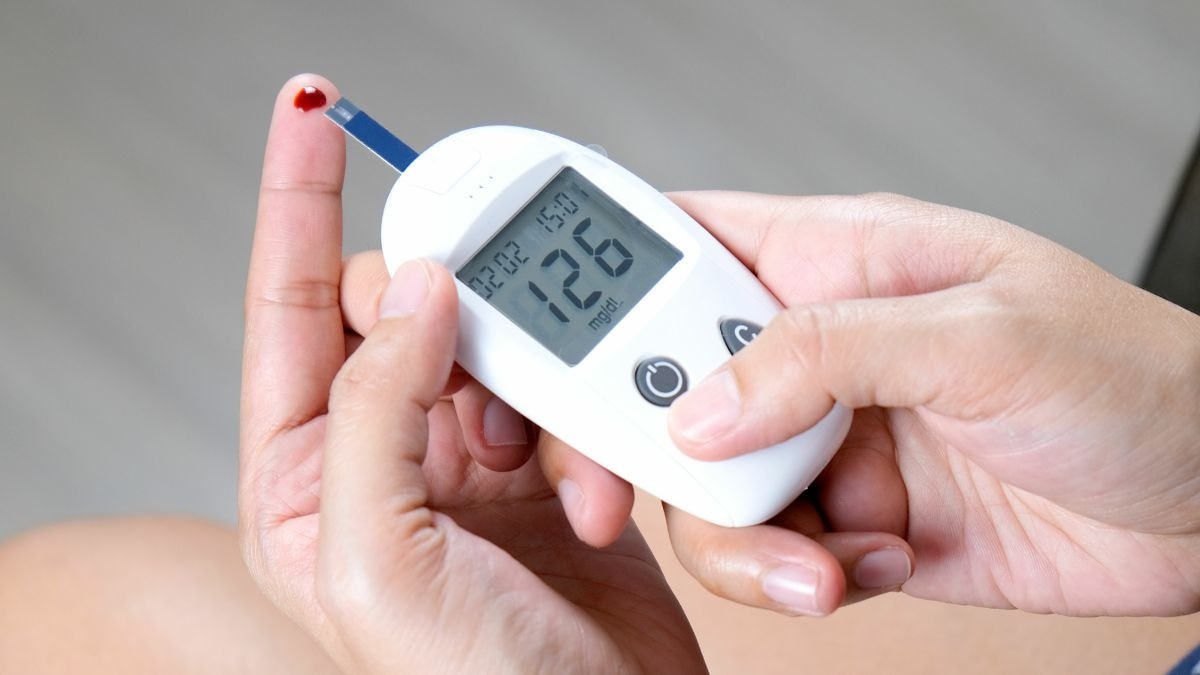
Beyond immunization, the discussion delved into the compounding effects of climate change on global health. The shifting environmental landscape is directly linked to the emergence of new infectious diseases and respiratory issues. Furthermore, the rise in metabolic diseases—driven by changing dietary patterns and sedentary lifestyles—is creating a dual burden of disease in the region.
Historical Background
Historically, public health in India has focused heavily on infectious diseases like polio and smallpox. However, the transition toward addressing non-communicable diseases (NCDs) and cancer through preventive measures like the HPV vaccine marks a significant evolution in the country's healthcare strategy, aligning with global WHO objectives.
Frequently Asked Questions
1. What is the primary goal of the HPV vaccine rollout?
To significantly reduce the incidence of cervical cancer by preventing HPV infection in young girls.
2. How do metabolic diseases impact public health?
They contribute to a long-term rise in chronic conditions like diabetes, placing immense pressure on healthcare infrastructure.