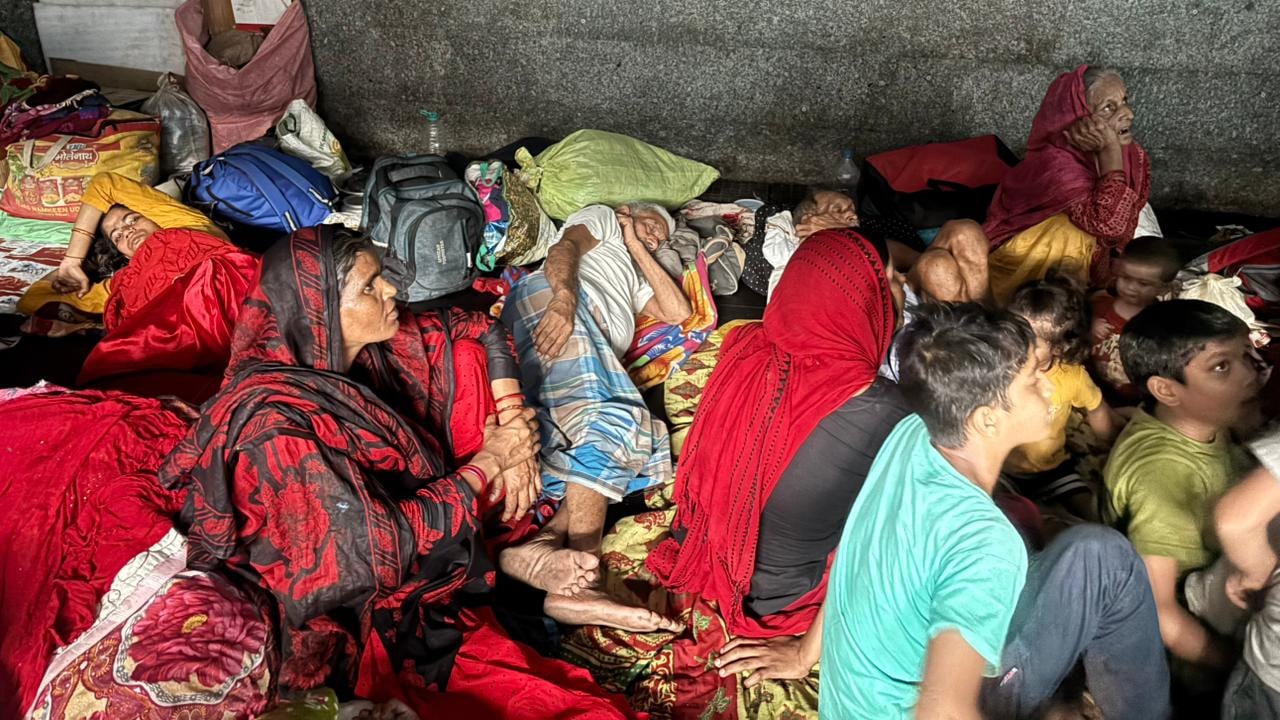
To transform into a developed nation by 2047, India must pivot its public health policy to place mental well-being at its core. Current data reveals a massive treatment gap and a critical shortage of specialists.
- Nearly 200 million Indians live with a diagnosable mental health condition.
- The national treatment gap for mental health stands at a staggering 84.5%.
- Integrating depression screening could save India up to ₹482 billion annually.
- India faces a severe shortage with only 0.3 psychiatrists per 100,000 people.
India is at a defining crossroads in its journey toward the Viksit Bharat 2047 vision. While the government has made significant strides in strengthening the Ayushman Bharat scheme and expanding primary healthcare, a critical pillar remains neglected: mental health. Without addressing the psychological well-being of its citizens, the goal of a truly developed nation remains precarious.
The scale of the crisis is immense. Mental illness currently affects one in seven Indians. Over the last three decades, the contribution of mental disorders to India's total disease burden has doubled. Despite this, the infrastructure is woefully inadequate, with a massive shortage of clinical psychologists, psychiatric nurses, and social workers.
Why This Matters
BozokMedia analysis shows that mental health is not merely a niche medical concern but a fundamental driver of economic productivity and social cohesion. Mental disorders are deeply intertwined with chronic physical conditions like diabetes and hypertension, creating a cycle of illness that drains national resources.
Mental health must move from the margins of public policy to its absolute center to ensure sustainable national growth.
The economic argument for mental health intervention is undeniable. A 2025 study by researchers from PGIMER and NIMHANS suggests that implementing universal depression screening in primary care could generate annual savings of up to ₹482 billion, amounting to 0.32% of India's GDP.
Strategic Priorities for Reform
To bridge the 84.5% treatment gap, the following actions are essential:
- Empowering Frontline Workers: Training India's 1 million ASHA workers to identify and refer common mental disorders can revolutionize community access.
- Community-Based Care Models: Scaling successful models like the 'Friendship Bench' can bring care to underserved rural populations.
- Financial Protection: Ensuring insurance parity and extending outpatient benefits under PM-JAY is vital for affordability.
Frequently Asked Questions
1. Why is there such a large treatment gap in India?
The gap is driven by a severe shortage of specialists (only 0.3 psychiatrists per 100,000 people) and social stigma surrounding mental illness.
2. How does mental health affect the economy?
Poor mental health reduces workforce participation and increases the long-term cost of treating chronic physical diseases.