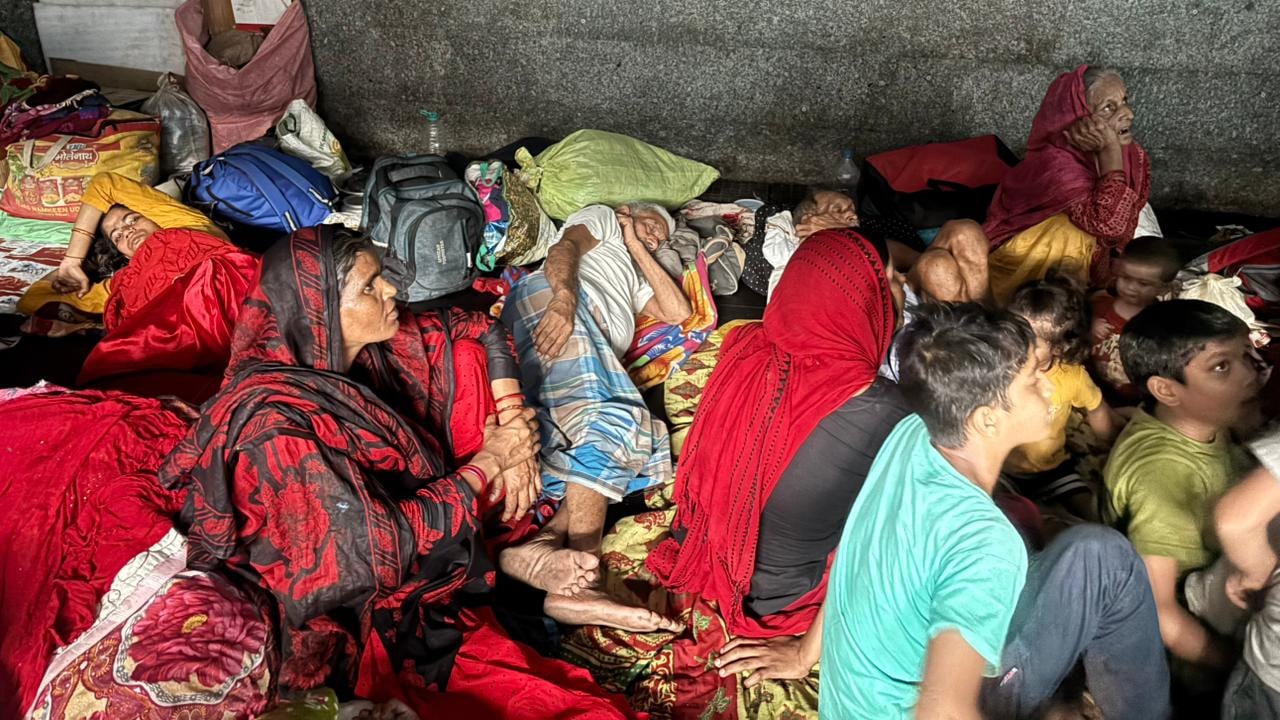
For millions, AIIMS is the ultimate beacon of hope for affordable healthcare. However, the reality on the ground reveals a harrowing struggle of families living in queues and shelters to access life-saving treatment.
- AIIMS serves as the primary hope for affordable, high-quality medical care in India.
- Overcrowding forces families to seek shelter in underpasses and temporary camps.
- The institution faces an immense burden due to its highly subsidized treatment costs.
The All India Institute of Medical Sciences (AIIMS) is far more than just a premier government hospital; for a vast majority of the Indian population, it is a sanctuary of hope. In a country where private healthcare can be prohibitively expensive, AIIMS provides specialized treatment at highly subsidized rates, making it a lifeline for the underprivileged.
However, the reality surrounding the institution paints a starkly different picture. Beyond the state-of-the-art medical technology lies a human crisis. Thousands of families, driven by the desperate need to save their loved ones, find themselves living in underpasses, makeshift shelters, and endless queues. The struggle for survival begins long before the patient enters the consultation room.
Why This Matters
BozokMedia analysis shows that the overwhelming demand at AIIMS is a direct reflection of the systemic gaps in India's primary healthcare infrastructure. The reliance on a single premier institution creates a bottleneck that affects not just the patients, but the dignity of the human lives involved.
To many patients, the doctors at AIIMS are perceived as divine figures, yet the infrastructure surrounding them struggles to meet the basic human needs of the families they serve.
Historically, AIIMS was established to set the gold standard for medical education and research in India. While it has succeeded in that mission, its prestige has become a double-edged sword. The institution's reputation for excellence attracts patients from every corner of the country, creating a logistical nightmare that the current infrastructure is struggling to manage.
The dichotomy is profound: inside the wards, cutting-edge science battles disease, while outside, the basic struggle for a place to sleep and a meal to eat persists. This gap between medical excellence and social welfare remains one of the most pressing issues in the nation's healthcare landscape.
Frequently Asked Questions
1. Why is AIIMS so crowded?
The high demand is driven by the institution's ability to provide world-class medical treatment at a fraction of the cost of private hospitals.
2. What are the living conditions like for families?
Due to the lack of accommodation, many families are forced to live in uncomfortable conditions like underpasses and public shelters while waiting for treatment.


