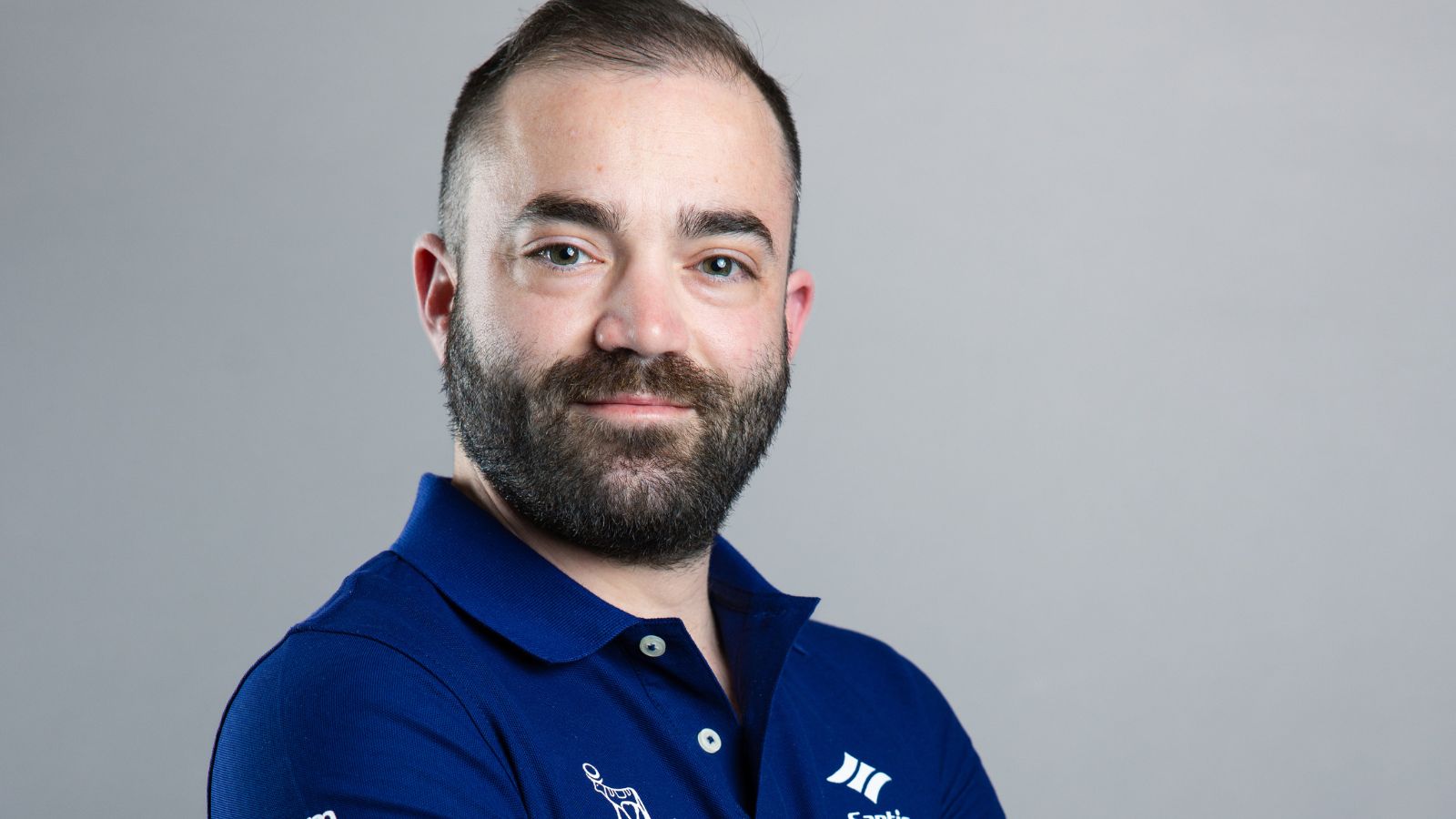
Spanish cyclist Brais Dacal refused to let a Type 1 diabetes diagnosis at age seven limit his ambitions. Discover how he mastered the balance of insulin, nutrition, and elite sport to become a professional athlete.
- Diagnosed with Type 1 diabetes at the age of seven.
- Became a professional cyclist and ambassador for Team Novo Nordisk.
- Success requires extreme discipline in insulin, nutrition, and recovery.
- A diagnosis should never be a barrier to professional ambitions.
When Brais Dacal was just seven years old, he was told his life would be different. Following his diagnosis with Type 1 diabetes, medical advice suggested he lead a sedentary life and avoid strenuous physical exertion. For a child with athletic dreams, such advice could have been a life sentence of limitation. However, Dacal chose to redefine those boundaries.
Years later, Dacal emerged as a professional cyclist, completing five seasons with Team Novo Nordisk—a unique professional team where every rider lives with diabetes. While he has transitioned from active racing to a leadership role, he remains a prominent ambassador, sharing his journey of competing at the highest levels while managing a chronic condition.
Why This Matters
BozokMedia analysis shows that Dacal's journey serves as a critical case study in sports medicine and psychological resilience. His ability to transform a medical vulnerability into a disciplined lifestyle provides a blueprint for managing chronic illnesses in high-performance environments.
"I have always believed that I should own my diabetes, rather than let it own me."
During a recent visit to India, Dacal met with Dr. V Mohan, the founder-chairman of Dr. Mohan’s Diabetes Specialities Centre. The discussion highlighted the necessity of peer support and visibility. Dr. Mohan noted that seeing individuals like Dacal excel helps children with diabetes realize that their condition does not dictate their potential.
The discipline required for Dacal's sport is immense. Unlike a healthy athlete, a cyclist with Type 1 diabetes must meticulously calculate insulin requirements and carbohydrate intake based on the intensity and duration of the ride. A long, steady climb requires a vastly different metabolic strategy than a short, explosive sprint.
Management Comparison
| Factor | Standard Athlete | Diabetic Athlete (Dacal) |
|---|---|---|
| Nutritional Focus | Energy & Muscle Gain | Glucose & Insulin Equilibrium |
| Monitoring | Performance Metrics | Continuous Glucose Monitoring |
| Risk Management | Injury Prevention | Hypo/Hyperglycemia Prevention |
Frequently Asked Questions
1. Can Type 1 diabetes affect professional sports performance?
It adds a layer of complexity in management, but with strict discipline, it does not prevent elite performance.
2. What is Dacal's secret to success?
His secret lies in meticulous planning, constant learning through trial and error, and always having a 'Plan B'.