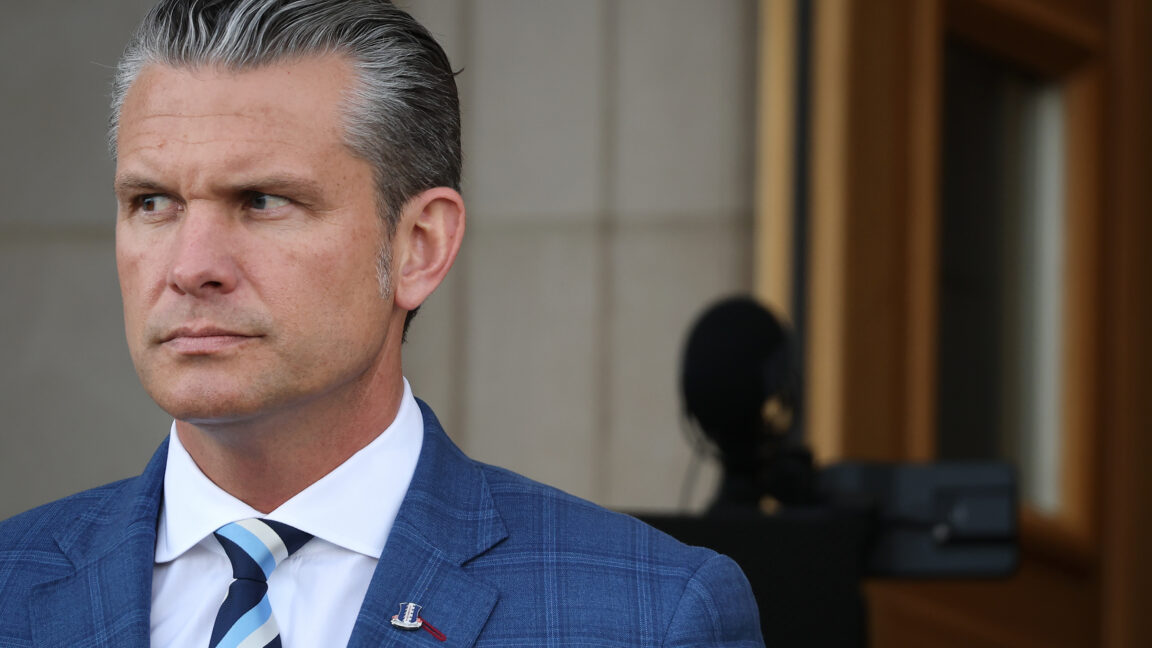
T.S. Surendran, Chairman of Sankara Nethralaya, reflects on Chennai's journey from the 1950s to becoming a global medical destination. He highlights how the city's healthcare was on par with national standards decades ago.
- Chennai's medical tourism roots date back to the 1980s.
- T.S. Surendran highlights that Chennai's healthcare facilities were nationally competitive even decades ago.
- The city's growth was fueled by a combination of strong educational institutions and robust transport systems.
Chennai has long been recognized as a cornerstone of South India's cultural and medical landscape. T.S. Surendran, the Chairman of Sankara Nethralaya, recently shared a nostalgic yet analytical look at the city's transformation. Born in Chennai in the 1950s, Surendran witnessed the city's evolution from a collection of independent buildings to a bustling cosmopolitan metropolis.
In his reflections, Surendran paints a vivid picture of old Chennai, mentioning the iconic streets of T. Nagar and the culinary delights of Pondy Bazaar. From the legendary Shantha Bhavan to the enduring Geetha Cafe, the city's identity was deeply rooted in its local flavors and social fabric.
Foundations of Growth: Education and Infrastructure
The development of Chennai was not accidental; it was built on a foundation of excellence in education and connectivity. Institutions like the Madras Christian College School and Kilpauk Medical College played pivotal roles in shaping the intellectual and medical landscape of the region. Furthermore, the presence of trams and an efficient suburban railway system facilitated the movement of people, fostering urban integration.
Why This Matters
BozokMedia analysis shows that Chennai's ability to maintain high medical standards while undergoing rapid urbanization is a key driver of its economic stability. The early emergence of medical tourism in the 1980s underscores a long-standing institutional foresight that set the stage for the city's current global standing in healthcare.
Even in those days, Chennai’s medical facilities were on par with the rest of the country.
As an eye specialist, Surendran has been an integral part of Sankara Nethralaya since its inception. His journey mirrors the institution's growth, having served millions of patients and contributing significantly to the city's reputation as a healthcare sanctuary.
Frequently Asked Questions
Question 1: When did medical tourism start in Chennai?
Answer: According to T.S. Surendran, medical tourism in Chennai began as early as the 1980s.
Question 2: What institution is T.S. Surendran associated with?
Answer: He is the Chairman of the renowned eye care institute, Sankara Nethralaya.