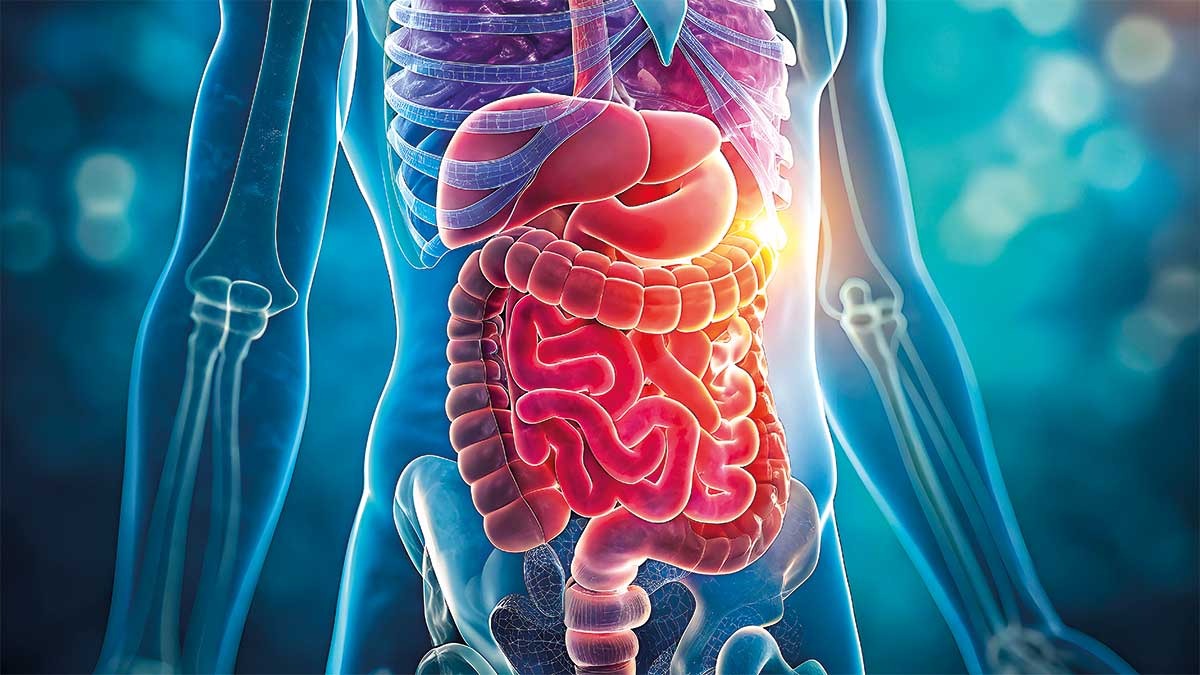
Your gut is home to trillions of microorganisms that influence everything from immunity to mood. Incorporating fiber-rich and fermented foods can optimize your gut microbiome for better overall health.
- Curd and fermented foods introduce beneficial live probiotics to the gut.
- Oats provide beta-glucan, a soluble fiber that supports the gut lining.
- Bananas offer resistant starch, acting as a prebiotic fuel for bacteria.
- A diverse plant-based diet is superior to relying on a single 'superfood'.
The human gut is far more than a simple digestion tube; it is a complex ecosystem hosting trillions of microorganisms. This microbiome plays a pivotal role in regulating the immune system, synthesizing vitamins, and even influencing brain function via the gut-brain axis. When this balance is disrupted, it can lead to systemic inflammation and digestive distress.
5 Daily Foods for a Healthier Gut
1. Curd (Yogurt): A staple in many diets, curd is rich in live active cultures. These probiotics help maintain a healthy balance of bacteria in the intestines. To maximize benefits, opt for plain, unsweetened versions to avoid the inflammatory effects of added sugars.
2. Bananas: Beyond providing quick energy, bananas are a source of prebiotic fiber. Under-ripe bananas specifically contain resistant starch, which bypasses the small intestine and feeds the beneficial bacteria in the colon.
3. Oats: Oats are packed with beta-glucan, a type of soluble fiber. This fiber is fermented by gut microbes to produce short-chain fatty acids (SCFAs), which are essential for maintaining the integrity of the gut barrier.
4. Dal and Pulses: Legumes like chickpeas and kidney beans are powerhouses of plant protein and dietary fiber. They provide the necessary bulk and nutrients to sustain a diverse colony of colon bacteria.
5. Fermented Foods: Traditional foods like idli, dosa batter, and fermented vegetables introduce diverse microbial strains into the system, enhancing the diversity of the microbiome.
Why This Matters
BozokMedia analysis shows that the rise of ultra-processed foods has led to a 'diversity crisis' in the modern human gut. Restoring this diversity through whole, plant-based foods is not just about digestion—it is a preventative measure against chronic metabolic diseases.
"A diverse microbiome is a resilient microbiome; the variety of plants you eat directly correlates to the strength of your immune system."
Historically, ancestral diets were naturally rich in these components, suggesting that returning to whole, fermented, and fiber-heavy foods is a return to biological equilibrium.
| Food Item | Key Nutrient | Gut Health Impact |
|---|---|---|
| Curd | Probiotics | Microbial Balance |
| Oats | Beta-Glucan | Gut Lining Support |
| Bananas | Resistant Starch | Prebiotic Fuel |
Frequently Asked Questions
Q1: Can increasing fiber intake cause bloating?
Yes, if increased too rapidly. The key is to introduce fiber-rich foods gradually and increase water intake to help the fiber move through the system.
Q2: Are store-bought flavored yogurts a good choice?
Generally, no. The high sugar content in flavored yogurts can feed harmful bacteria, offsetting the benefits of the probiotics.