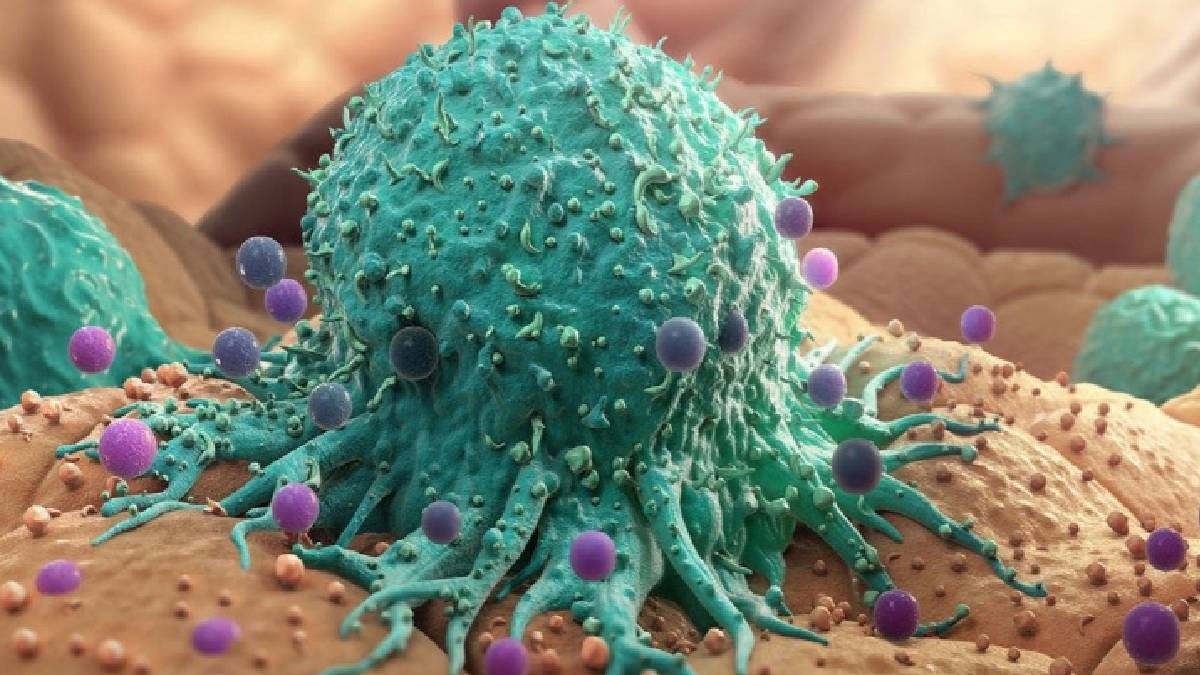
Medical experts debunk claims that immunotherapy is a universal replacement for chemotherapy, emphasizing that cancer care is a complex, personalized decision based on biology.
- Cancer treatment is not binary; it depends on tumor stage and biomarkers.
- Immunotherapy and chemotherapy are often used together rather than as alternatives.
- Immunotherapy is not effective for all cancers, such as brain or soft tissue tumors.
- Biomarkers are critical in determining the success of immunotherapy.
A recent claim by comedian Rahul Dua, suggesting that immunotherapy is inherently "better" than chemotherapy, has sparked significant backlash from the medical community. Oncologists are pointing out that such a comparison is dangerously simplistic for a disease as multifaceted as cancer. The debate highlights a growing misunderstanding regarding modern oncology.
According to Dr. Kumar Prabhash, a medical oncologist at the Tata Memorial Centre (TMC), Mumbai, cancer treatment is not a choice between two fixed paths. Instead, it is a highly tailored approach that depends on the specific type of tumor, its stage, and the presence of certain biomarkers. In some instances, immunotherapy alone provides excellent results, while in many others, a combination of both chemo and immunotherapy is the gold standard.
The Mechanism of Action
Chemotherapy has been the cornerstone of cancer treatment for decades. It utilizes powerful drugs to target and kill rapidly dividing cells. While it can affect healthy cells, it remains essential for shrinking tumors before surgery or eliminating microscopic cells afterward.
In contrast, Immunotherapy works by training the patient's own immune system to recognize and destroy cancer cells. Highly effective drugs like pembrolizumab (Keytruda) and nivolumab have revolutionized outcomes for specific cancers, but they are not a universal panacea.
Why This Matters
BozokMedia analysis shows that the rise of medical misinformation on social media can lead to dangerous patient expectations. As cancer rates are projected to rise to 35 million annually by 2050, understanding the nuance of treatment is vital for public health literacy. Treatment is moving toward precision medicine, where biology dictates the protocol.
Cancer treatment is decided by specific cancer types, stage, and biomarkers; it is far more complex than a simple choice between two drugs.
Dr. Shyam Agarwal, a senior oncologist, emphasized that biomarkers—measurable biological features—are the true deciding factor. For example, testing for PD-L1 expression helps doctors predict if immunotherapy will actually work for a specific patient. Furthermore, immunotherapy has shown limited success in treating brain cancers and certain soft tissue tumors.
| Feature | Chemotherapy | Immunotherapy |
|---|---|---|
| Primary Action | Directly kills dividing cells | Boosts immune system response |
| Targeting | Broadly targets fast-growing cells | Targeted via immune checkpoints |
| Limitations | Can damage healthy cells | Not effective for all cancer types |
Frequently Asked Questions
1. Is immunotherapy always safer than chemotherapy?
Not necessarily; immunotherapy can cause unique inflammatory side effects that require specialized monitoring.
2. Can I choose my cancer treatment?
While patients have a voice, the clinical decision is primarily driven by tumor biology and medical necessity.