A Bengaluru-based startup is revolutionizing early cancer detection by combining the incredible olfactory sense of dogs with Artificial Intelligence. Recent Phase-2 trials have shown over 90% success in identifying seven types of cancer.
- Bengaluru startup combines canine scent with AI for cancer screening.
- Phase-2 trials achieved >90% success rate in 7 cancer types.
- The method uses breath/sweat samples to detect Volatile Organic Compounds (VOCs).
- Research published in the Journal of Clinical Oncology (JCO).
Early detection is the cornerstone of successful cancer treatment. In a groundbreaking development, researchers are leveraging the extraordinary sense of smell in dogs and augmenting it with Artificial Intelligence (AI) to identify early-stage cancer markers. A startup based in Bengaluru is leading this frontier, turning biological responses into actionable medical data.
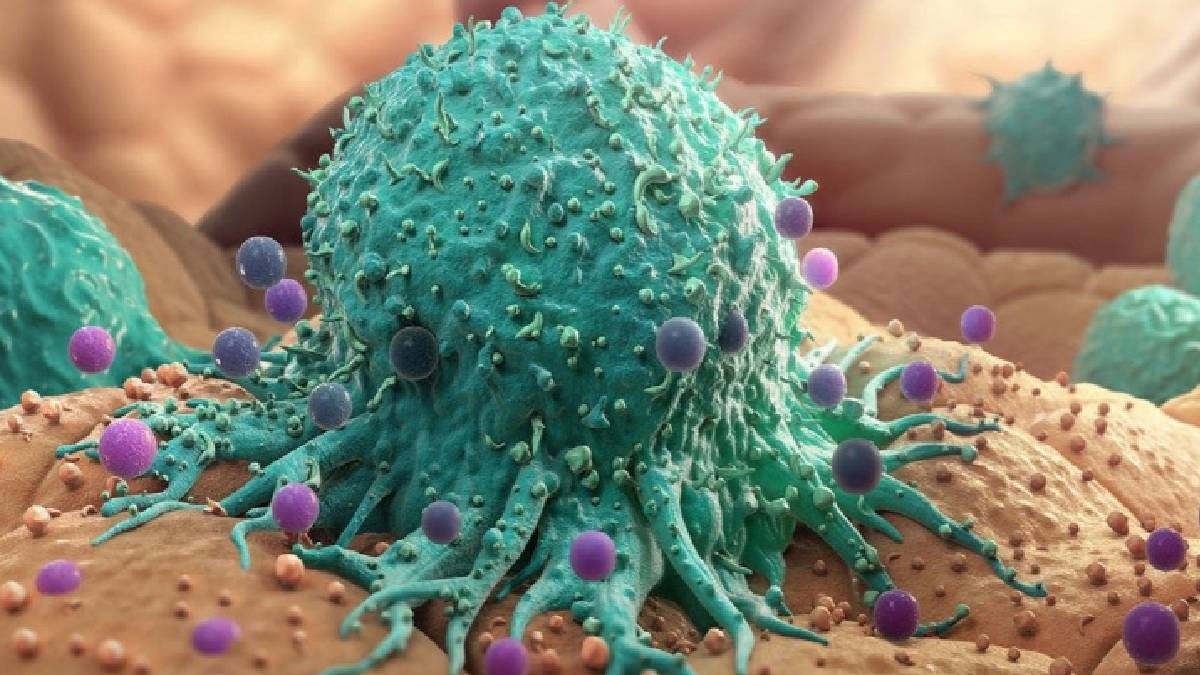
The science behind this is compelling: cancer alters the body's metabolic processes, leading to unique chemical signatures in breath, sweat, or other bodily fluids. While these changes are imperceptible to humans, dogs possess a highly evolved olfactory system capable of detecting these microscopic shifts in scent patterns.
The Training and Methodology
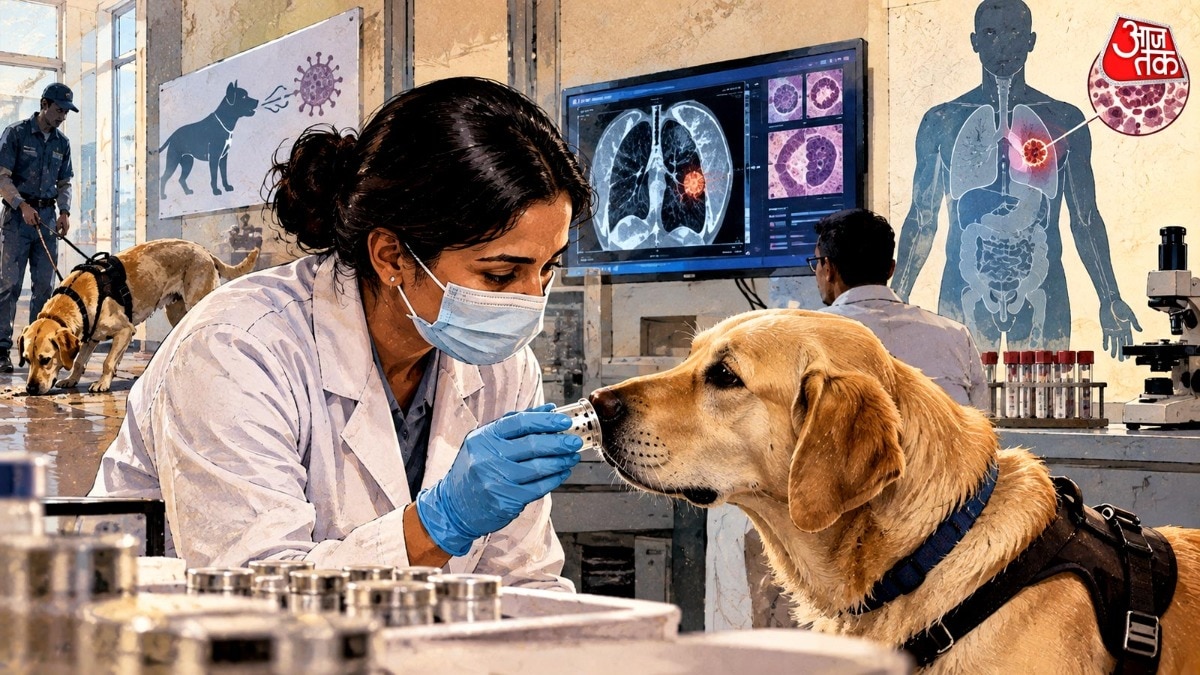
The research involves approximately 15 highly trained dogs, including Labradors, who are trained to identify specific scent profiles from patient samples. In the clinical setting, a patient breathes into a cotton mask for about 10 minutes. This sample is then sealed and sent to a controlled lab environment. Crucially, there is no direct contact between the patient and the dogs.
Integrating biological canine intuition with AI-driven data analysis could redefine the landscape of non-invasive diagnostics.
Why This Matters
BozokMedia analysis shows that this technology could democratize cancer screening. By providing a low-cost, non-invasive method to flag potential malignancies, healthcare providers can initiate expensive diagnostic procedures (like biopsies and MRIs) much earlier, significantly increasing survival rates across diverse populations.
Research Outcomes and Implications
The study, involving over 1,500 participants across six hospitals in Karnataka, demonstrated a success rate exceeding 90% for seven different types of cancer. While oncologists caution that this should be viewed as a highly effective screening tool rather than a definitive diagnostic replacement, the results published in the Journal of Clinical Oncology are undeniably significant.
Frequently Asked Questions
Question 1: Is this a replacement for traditional biopsies?
Answer: No, it is intended to be an additional, early-stage screening tool that flags high-risk cases for further clinical testing.
Question 2: Is the process safe for patients?
Answer: Yes, the process is entirely non-invasive, requiring only the patient to breathe into a mask.