After an X user shared her ordeal of contracting dengue three times in 18 months, medical experts explain the science behind mosquito attraction and the possibility of multiple infections due to different virus strains.
- Dengue is caused by four distinct serotypes (DENV-1 to DENV-4), allowing for repeat infections.
- Mosquitoes are attracted to specific biological cues like CO2 levels, body heat, and skin chemistry.
- Secondary dengue infections can potentially be more severe than the primary one.
A viral post by an X user (@Dhichkyaaon) has sparked a widespread conversation on public health after she revealed her harrowing journey of contracting dengue three times within just 18 months. The user described a cycle of prolonged recovery, lasting 6-7 months each time, accompanied by recurring migraines and chronic fatigue, leading her to question why she seemed to be a "magnet" for mosquitoes.
The Science of Recurrent Dengue
According to Dr. Harish Chafle, senior consultant chest physician at Gleneagles Hospitals, while uncommon, getting dengue multiple times is biologically possible. This is because the dengue virus exists in four different but related serotypes: DENV-1, DENV-2, DENV-3, and DENV-4. While an infection with one type provides long-term immunity against that specific strain, it does not protect the individual from the other three.
"The risk of severe dengue is particularly higher with a second infection involving a different virus type, although any dengue infection can become serious."
Why This Matters
BozokMedia analysis shows that the increasing frequency of recurrent cases highlights a critical gap in urban vector control. As climate patterns shift, the prevalence of multiple serotypes in a single geographic area increases the likelihood of secondary infections, which are often more clinically dangerous.
Do Mosquitoes Have a 'Type'?
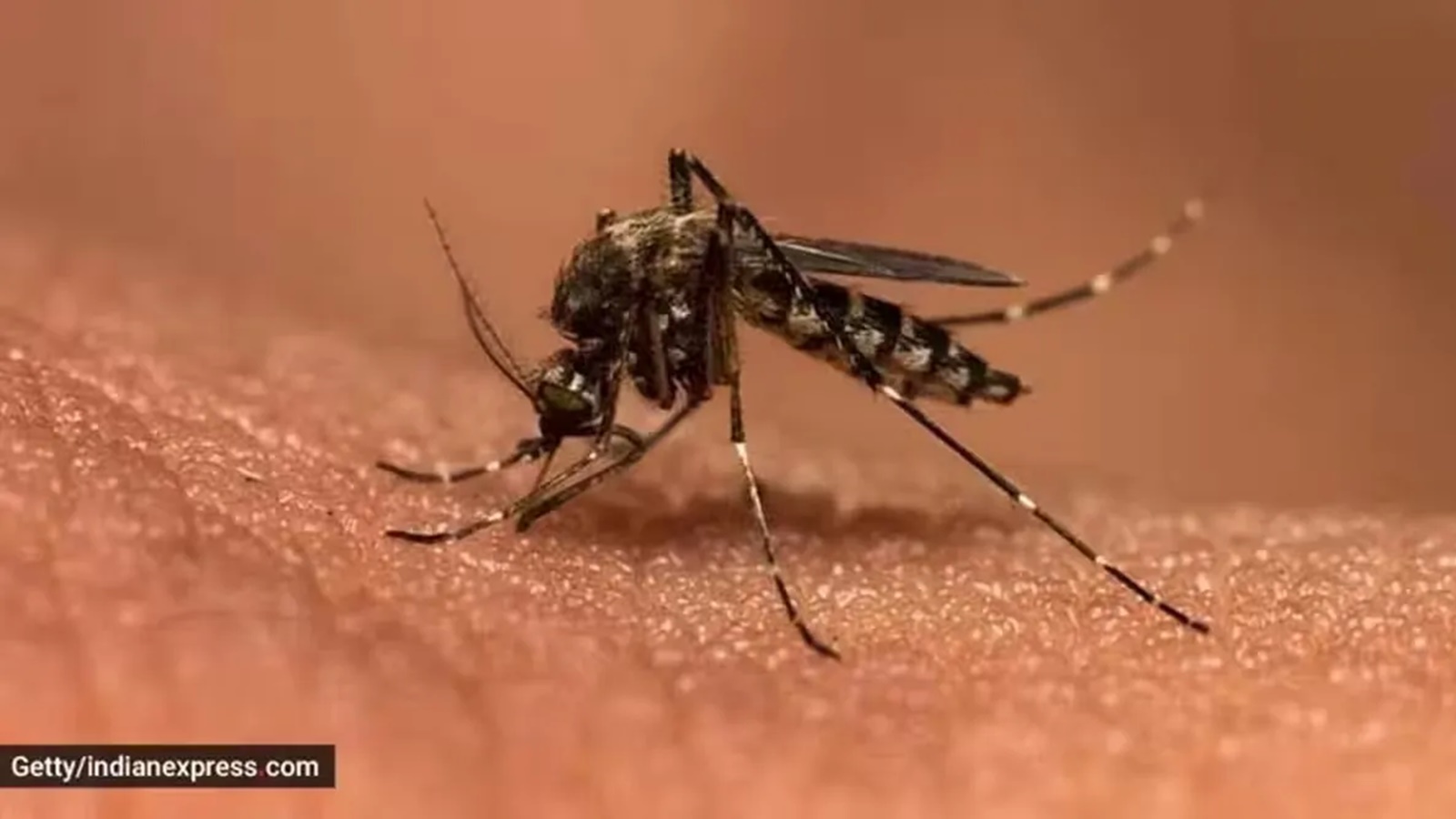
Dr. Sundar Krishnan, senior consultant at KIMS Hospitals, confirms that mosquitoes do not bite everyone equally. They rely on a complex set of chemical and biological cues to locate their prey. The following factors contribute to this attraction:
| Factor | Influence on Attraction |
|---|---|
| Carbon Dioxide (CO2) | Higher exhalation rates make a person more visible to mosquitoes. |
| Body Heat | Thermal signatures guide mosquitoes toward warm-blooded hosts. |
| Skin Odor/Chemicals | Specific lactic acid and ammonia levels in sweat act as attractants. |
| Genetics | Genetic predisposition determines the unique chemical profile of a person's skin. |
However, Dr. Krishnan emphasizes that being "attractive" to mosquitoes does not automatically increase the risk of dengue; the primary risk factor remains exposure to an infected Aedes mosquito.
Recovery and Prevention Strategies
Medical experts warn that the disappearance of fever does not signal a full recovery. Patients often suffer from post-dengue fatigue, appetite loss, and reduced stamina. Warning signs such as severe abdominal pain or persistent vomiting require immediate hospitalization. To prevent reinfection, experts recommend using EPA-approved repellents, wearing long-sleeved clothing, and eliminating stagnant water sources in residential areas.
Frequently Asked Questions
Q1: Does blood group influence the likelihood of getting dengue again?
A: There is no consistent scientific evidence to prove that a specific blood group makes a person more prone to recurrent dengue. Exposure to the vector is the deciding factor.
Q2: Why is the second infection often more dangerous?
A: This is often due to a phenomenon called Antibody-Dependent Enhancement (ADE), where antibodies from the first infection actually help the second strain enter cells more easily.