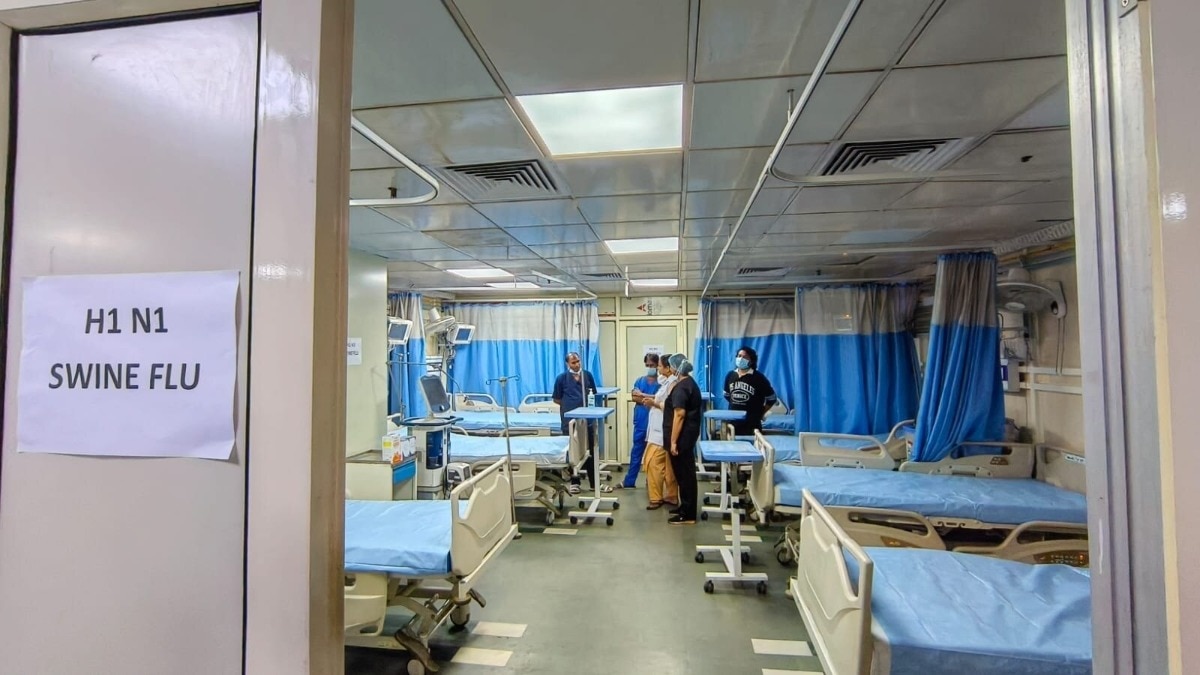
As H1N1 cases spike across Delhi-NCR and other regions, the ICMR has urged the use of the Northern Hemisphere flu vaccine, citing a closer match with currently circulating viral strains.
- ICMR recommends the 2026-27 Northern Hemisphere (NH) influenza vaccine for India.
- Surveillance shows circulating strains in India align closely with NH vaccine components.
- Vaccine uptake remains low due to high costs ranging from ₹2,000 to ₹2,500.
- High-risk groups include pregnant women, the elderly, and children aged 6 months to 5 years.
India is currently witnessing a significant spike in H1N1 (Swine Flu) infections, particularly in the Delhi-NCR region. In response to this surge, the Indian Council of Medical Research (ICMR) has issued a critical recommendation. According to a July 2026 advisory, the influenza strains currently circulating within the country closely resemble those covered by the World Health Organization (WHO)-recommended Northern Hemisphere (NH) vaccine for the 2026-27 season.
Influenza vaccines are not static; the WHO updates their composition annually based on global surveillance of circulating viruses. The ICMR's guidance is pivotal because using a vaccine that matches the local strain significantly increases the efficacy of the shot. However, the council noted a potential gap in the adequate availability of the NH formulation within the Indian market.
Surveillance and Genetic Analysis
The recommendation is rooted in comprehensive year-round surveillance conducted by the ICMR-Virus Research and Diagnostic Laboratory network, in partnership with the National Institute of Virology (NIV) in Pune. Data from 73 sentinel sites across India revealed that since July 1, 2025, 73 influenza virus isolates were analyzed. The breakdown included 52 cases of Influenza A(H3N2), 18 of Influenza B Victoria lineage, and 3 of Influenza A(H1N1)pdm09.
While a flu vaccine does not guarantee complete immunity, its primary value lies in drastically reducing the risk of severe complications and hospitalization.
Why This Matters
BozokMedia analysis indicates that India's approach to seasonal influenza remains reactive rather than proactive. With hospitals in Delhi reporting overflowing wards due to a simultaneous surge in typhoid and dengue, the lack of a government-funded vaccination program (UIP) for influenza creates a vulnerability gap. The high cost of private vaccines—up to ₹2,500—deterrs a large portion of the high-risk population from seeking prevention.
Medical experts emphasize that influenza should not be dismissed as a simple cold. In vulnerable populations, it can lead to severe pneumonia and exacerbate underlying chronic conditions. For those unable to access the NH vaccine, ICMR suggests that the Southern Hemisphere (SH) vaccine remains a viable temporary alternative.
| Feature | Northern Hemisphere (NH) Vaccine | Southern Hemisphere (SH) Vaccine |
|---|---|---|
| Strain Match | High alignment with current Indian strains | Moderate alignment |
| ICMR Status | Recommended/Ideal | Alternative (if NH unavailable) |
Frequently Asked Questions
Q1: Who should prioritize the flu vaccine?
Pregnant women, children under 5, the elderly, and individuals with chronic health conditions or weakened immunity should prioritize the shot.
Q2: Is the flu vaccine available for free in India?
No, the influenza vaccine is not currently part of the Universal Immunisation Programme (UIP) and must be accessed privately.