Medical experts warn that a single blood pressure reading can be misleading. Discover the '7-2-2 Rule'—a systematic approach to tracking your heart health at home for a precise medical diagnosis.
- The 7-2-2 Rule requires monitoring BP for 7 days, 2 times daily, with 2 readings per session.
- Avoid caffeine, smoking, and exercise for 30 minutes before measurement.
- Consistent averages are more clinically significant than isolated high or low spikes.
Measuring blood pressure (BP) at home has become a cornerstone of preventive healthcare, yet many individuals rely on sporadic, single readings that may not reflect their true cardiovascular state. According to cardiovascular surgeon Jeremy London and Dr. Parin Sangoi, a Consultant Interventional Cardiologist at Wockhardt Hospitals, Mumbai, the gold standard for home monitoring is the '7-2-2 Rule'.
The 7-2-2 Rule is a structured protocol designed to eliminate the noise of daily fluctuations. It mandates that a patient tracks their blood pressure for seven consecutive days, taking measurements twice a day (morning and evening), and recording two measurements during each session. By averaging these readings over a week, doctors can obtain a comprehensive view of a patient's usual BP pattern, rather than a mere snapshot.
Why This Matters
BozokMedia analysis shows that the disparity between clinic readings and home readings—often referred to as 'White Coat Hypertension'—can lead to misdiagnosis or unnecessary medication. Factors such as anxiety, poor sleep, or the stress of rushing to a clinic can artificially inflate BP numbers. The 7-2-2 approach mitigates these variables, providing a reliable baseline that allows physicians to make informed treatment decisions based on trends rather than anomalies.
"Treatment decisions should not be based on one number alone; they depend on the BP pattern, age, cardiovascular risk, and other individual factors."
The Correct Technique for Home Measurement
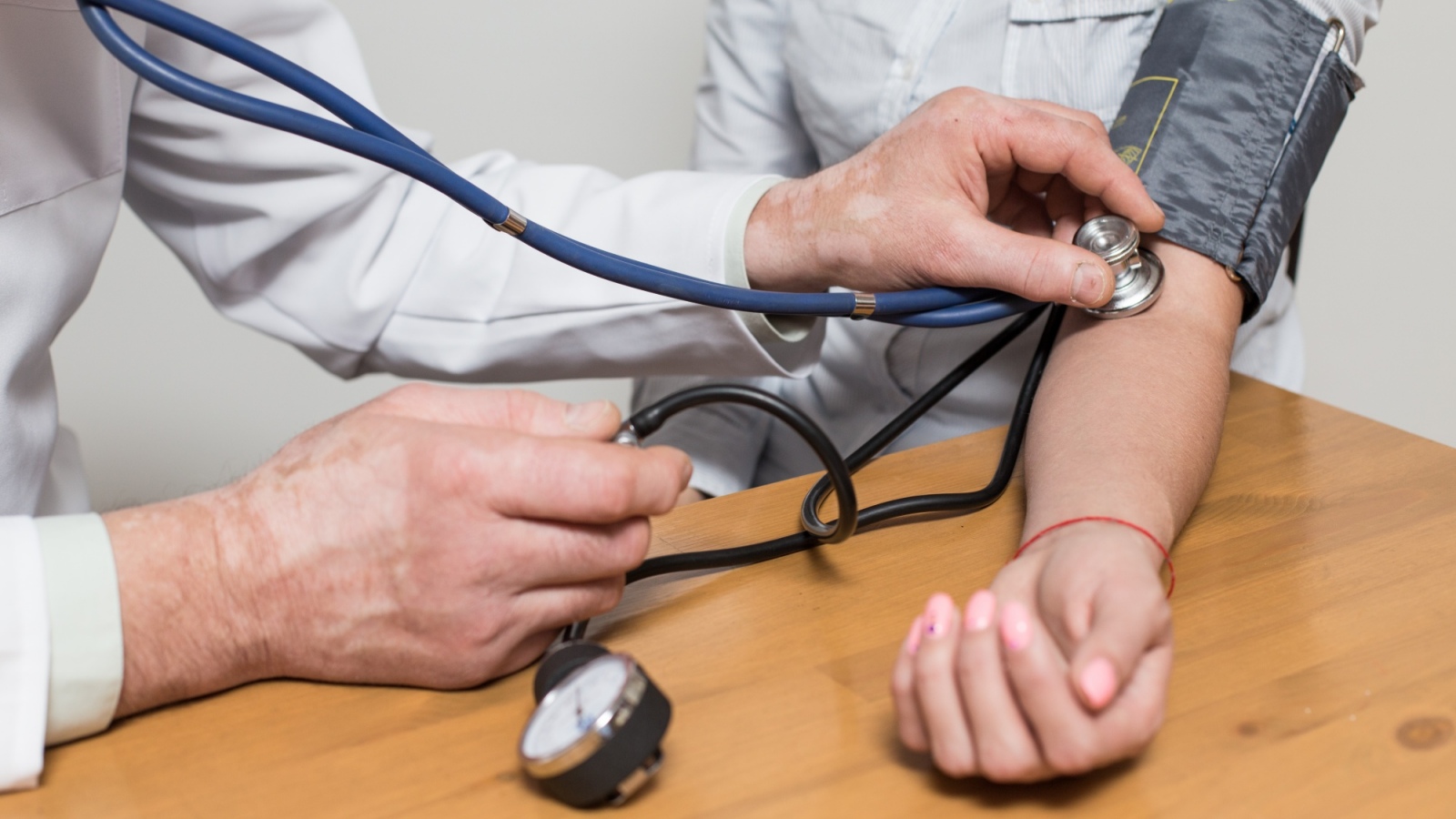
Accuracy depends heavily on the environment and posture. Experts advise emptying the bladder and sitting quietly for at least five minutes before starting. One must avoid smoking, caffeine, or strenuous exercise for 30 minutes prior to the test. To ensure a correct reading, the back should be supported, feet flat on the floor, and the arm resting comfortably at heart level with the cuff on a bare upper arm.
Using a validated, appropriately sized upper-arm monitor is critical. During the process, silence is mandatory; talking or moving can significantly alter the results. Because BP fluctuates due to stress or pain, taking two readings per session and focusing on the average provides a more meaningful clinical assessment.
| Factor | Incorrect Method | Correct Method (7-2-2) |
|---|---|---|
| Frequency | Once a year or sporadically | 7 days, 2x daily, 2 readings each |
| Preparation | Measuring immediately after activity | 30 min rest; no caffeine/smoking |
| Posture | Slouching or arm hanging | Back supported, arm at heart level |
When to Seek Urgent Medical Attention
While trends are important, certain numbers indicate an emergency. A reading of 180/120 mmHg or higher is a critical warning sign. If this reading persists after a few minutes of rest, especially if accompanied by chest pain, shortness of breath, severe headache, or vision changes, immediate medical intervention is required.
Frequently Asked Questions
Q1: Why should I take two readings instead of one?
BP fluctuates naturally; a stressful call or poor sleep can cause a temporary spike. Two readings help smooth out these anomalies.
Q2: Can I use a wrist monitor instead of an upper-arm cuff?
Experts recommend validated upper-arm monitors as they are generally more accurate when positioned at heart level.