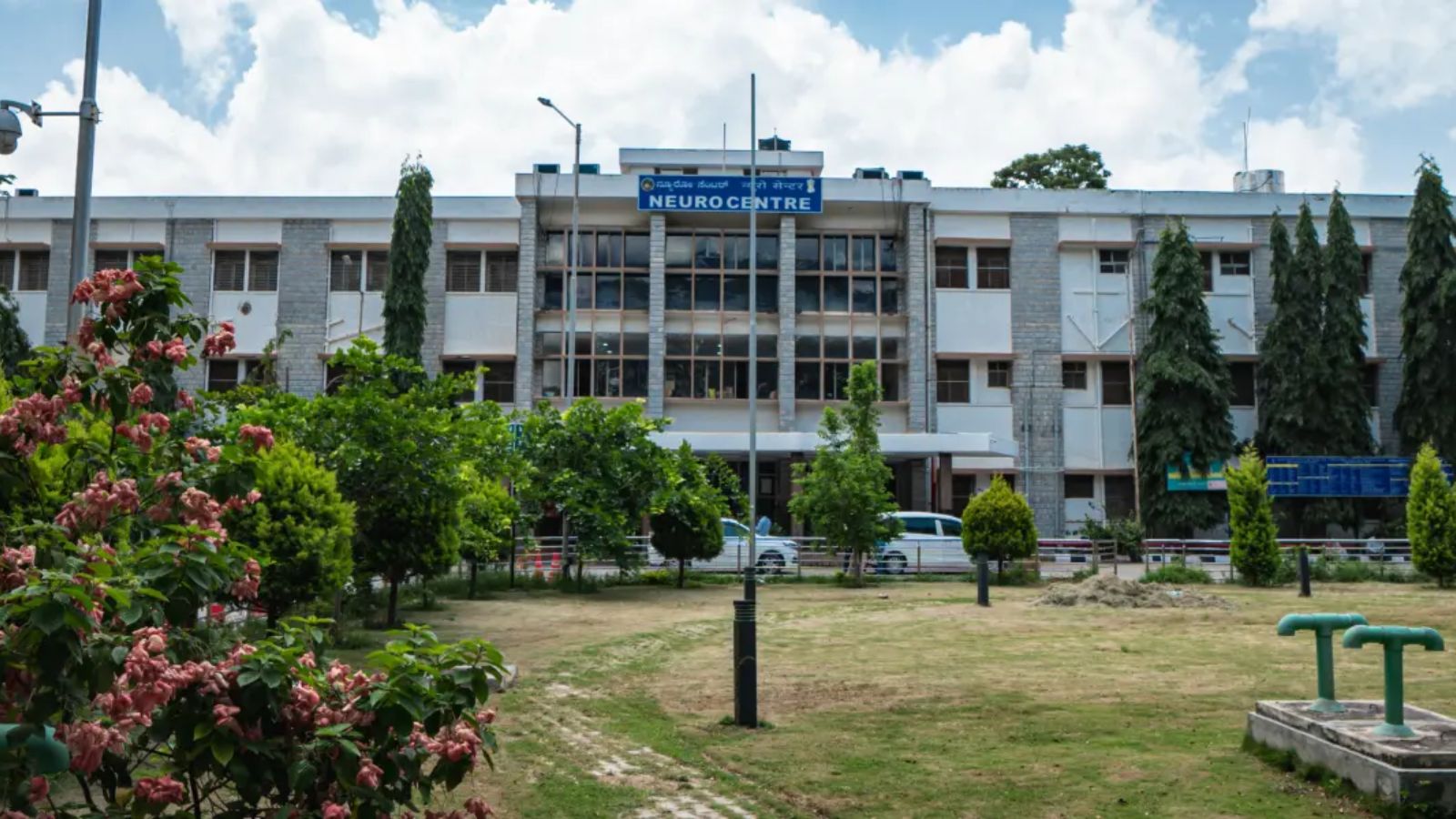
In a landmark decision at the 18th BRICS Summit, Bengaluru's NIMHANS has been designated as the coordinating center for a new network of Mental Health Centres of Excellence. This move aims to revolutionize mental healthcare and traditional medicine across BRICS nations.
- NIMHANS (Bengaluru) will serve as the coordinating hub for the BRICS Network of Centres of Excellence (CoEs) for mental health.
- The New Delhi Declaration emphasizes integrating mental well-being into primary healthcare.
- A new BRICS Expert Working Group will be established to oversee Traditional and Integrative Medicine (TCIM).
- The 'BRICS Mission for Healthy Lifestyle' has been endorsed to combat non-communicable diseases.
During the ongoing 18th BRICS Summit in New Delhi, a significant declaration was adopted aimed at addressing the global mental health crisis. The summit leaders agreed to establish a robust network of training hubs and Centres of Excellence (CoEs) for mental health. Crucially, the National Institute of Mental Health and Neuro Sciences (NIMHANS), based in Bengaluru, has been named the official coordinating center for this international network.
The declaration specifies that this Network of CoEs will function as a collaborative platform for research, policy dialogue, and the exchange of best practices. By co-developing evidence-based mental health promotion strategies, BRICS member states intend to create a scalable model for mental well-being that can be implemented across diverse socio-economic landscapes.
Why This Matters
BozokMedia analysis shows that this appointment elevates India's position in global health diplomacy. By placing NIMHANS at the helm, BRICS is moving beyond mere political cooperation toward deep scientific and technical integration. This is vital for addressing the mental health consequences of global crises, ensuring that vulnerable populations—particularly children and adolescents—receive timely and sustained psycho-social interventions.
The designation of NIMHANS as a nodal body signifies a shift toward structured, evidence-based mental health governance within the BRICS bloc.
A key pillar of the New Delhi Declaration is the recognition of Traditional and Integrative Medicine (TCIM). The summit welcomed the establishment of a BRICS Expert Working Group on TCIM. This group will coordinate critical research on medicinal plants and herbal preparations, ensuring that traditional practices are backed by rigorous evidence regarding their quality, safety, and efficacy.
Furthermore, the summit addressed the rising burden of non-communicable diseases (NCDs). To combat this, leaders endorsed the launch of the 'BRICS Mission for Healthy Lifestyle' and the 'BRICS Roadmap for the Joint Initiative on Healthy Lifestyle Promotion (2026-29)'. This initiative seeks to standardize healthy living practices to prevent chronic conditions like diabetes and hypertension.
Historical Background
The BRICS grouping has evolved from a purely economic bloc into a significant geopolitical force. As member states face shared challenges like aging populations, rapid urbanization, and post-pandemic mental health struggles, the focus on health infrastructure has become paramount. NIMHANS, with its decades of excellence in neurosciences, provides the necessary scientific credibility to lead such a massive multi-national undertaking.
Frequently Asked Questions
1. What is the primary goal of the BRICS CoE Network?
The goal is to facilitate collaborative research and create evidence-based mental health strategies that can be integrated into the primary healthcare systems of all BRICS nations.
2. How will BRICS promote healthy lifestyles?
Through the 'BRICS Mission for Healthy Lifestyle' (2026-29), which focuses on joint initiatives and the sharing of best practices to combat non-communicable diseases.