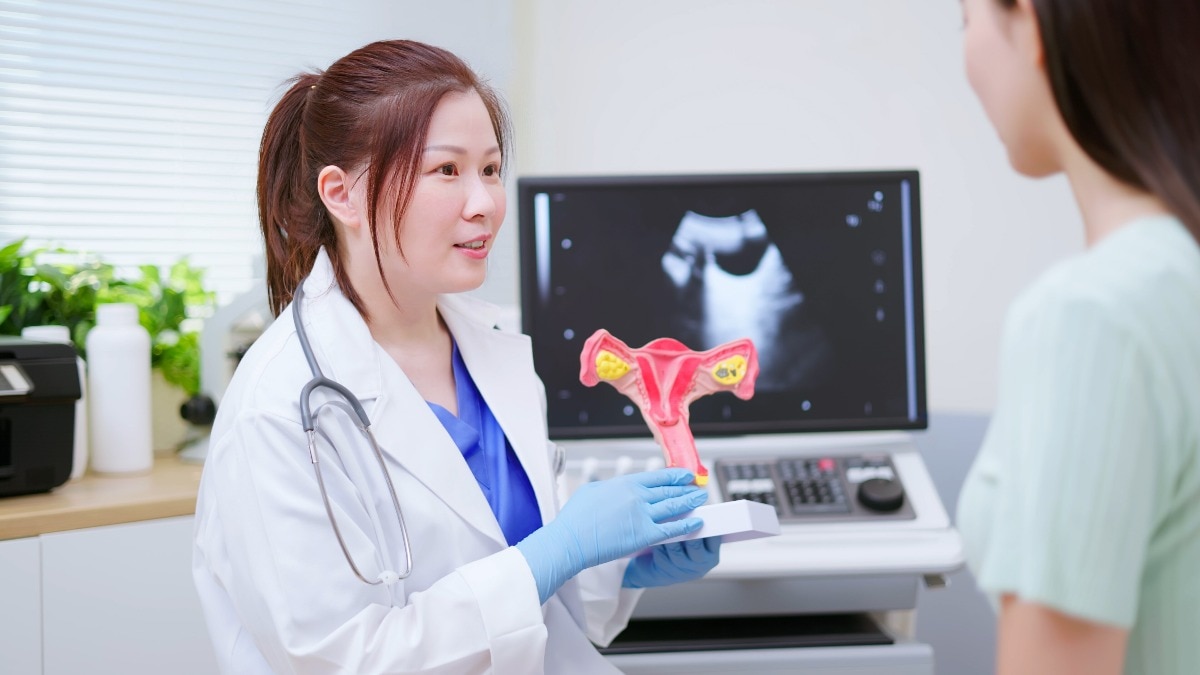
Menstrual irregularity is often more than just a scheduling issue; it can be a symptom of Polyendocrine Metabolic Ovarian Syndrome (PMOS). Learn how hormonal shifts affect your long-term health.
- Delayed periods can indicate underlying hormonal and metabolic issues.
- Excessive facial hair and acne are key symptoms of androgen imbalance.
- Untreated PMOS can lead to significant fertility challenges.
Many women dismiss delayed menstrual cycles as a minor inconvenience or a simple matter of timing. However, medical experts warn that irregular periods are often a critical signal from the body that something is fundamentally wrong with the internal hormonal balance.
Decoding PMOS (Polyendocrine Metabolic Ovarian Syndrome)
While many are familiar with PCOS (Polycystic Ovary Syndrome), medical advancements have shifted the understanding toward Polyendocrine Metabolic Ovarian Syndrome (PMOS). This distinction is crucial because it highlights that the condition is not merely a reproductive issue but a complex metabolic and endocrine disorder affecting the entire body.
The Role of Androgen Hormones
According to Dr. Pankhuri Gautam from Cocoon Hospital, Jaipur, PMOS is characterized by an abnormal rise in Androgen levels (male hormones) in the female body. This hormonal shift manifests through various physical symptoms that should never be ignored:
- Hirsutism: The growth of unwanted hair on the face, chin, and body.
- Dermatological Issues: Persistent acne and skin breakouts.
- Metabolic Changes: Sudden weight gain and difficulty managing metabolic health.
- Ovulatory Dysfunction: Irregular or absent menstrual cycles due to failed ovulation.
Menstrual irregularity is not just a gynecological concern; it is a vital indicator of your metabolic and systemic hormonal health.
BozokMedia Analysis: The Growing Health Risk
BozokMedia analysis shows that lifestyle changes and dietary shifts are contributing to a rise in PMOS cases globally. If left unmanaged, the implications extend beyond skin and hair concerns; it can significantly impact long-term reproductive health and lead to chronic metabolic syndromes.
Management and Clinical Approaches
Treatment for PMOS is highly individualized, focusing on the specific symptoms presented by the patient. Clinical management typically includes:
| Focus Area | Treatment Approach |
|---|---|
| Metabolic Health | Weight management and dietary intervention |
| Hormonal Balance | Medication to regulate androgen levels |
| Fertility | Specialized fertility treatments for pregnancy support |
Frequently Asked Questions
1. Is every irregular period a sign of PMOS?
Not necessarily. Stress, diet, and exercise can affect cycles, but when accompanied by acne and facial hair, PMOS is a strong possibility.
2. Can PMOS be cured?
While it is a chronic condition, it can be effectively managed through lifestyle changes, medication, and medical supervision.