Popular recovery methods like cold plunges and stretching may relieve soreness without actually repairing muscles, and in some cases, can even limit long-term gains. Here is what the science says about effective recovery.
- Cold-water immersion can reduce soreness but may suppress the biological pathways required for muscle growth.
- Stretching improves flexibility and range of motion but has minimal impact on physiological muscle repair.
- High-tech treatments like HBOT are useful for injuries but not for standard post-workout soreness.
- Sleep and nutrition remain the ultimate pillars of genuine muscle recovery.
The ache that follows a grueling workout often feels like a badge of honor, signaling that your muscles are rebuilding. However, scientific evidence suggests that feeling less sore is not the same as being recovered. While exercise causes microscopic muscle damage that triggers protein synthesis, many popular recovery rituals focus on masking symptoms rather than facilitating actual tissue repair.
The Cold Truth About Cold Plunges
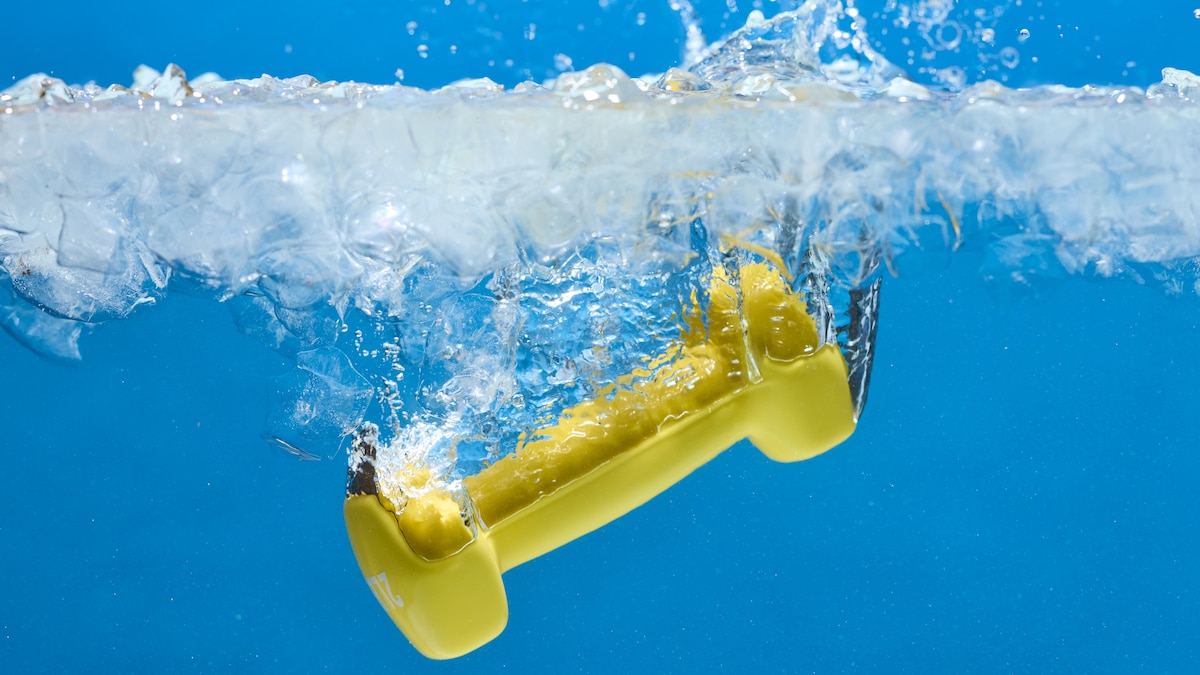
Cold-water immersion has become a massive trend in the fitness community. While it is undeniably effective at numbing pain and reducing perceived soreness, it comes with a significant trade-off. According to sports nutritionist David Goldman, extreme cold can interfere with the body's natural adaptation to exercise.
"Cold actually suppresses the key pathways, like mTOR, satellite cell activation, and protein synthesis, that translate training stress into muscle growth," says David Goldman.
Research indicates that using cold water immediately after strength training can actually diminish the hypertrophic (growth) response. This creates a dilemma for athletes: do you prioritize immediate comfort or long-term muscle development?
Why This Matters
BozokMedia analysis shows that the wellness industry often conflates 'sensation' with 'biological progress.' Consumers are frequently sold products that make them feel better in the short term, even if those products actively undermine the physiological adaptations they are working so hard to achieve in the gym.
Stretching and High-Tech Myths
Another staple of post-workout routines is stretching. While stretching is excellent for enhancing flexibility and range of motion, studies show it has a negligible impact on reducing delayed-onset muscle soreness (DOMS) or accelerating strength recovery. It is a tool for mobility, not a tool for physiological repair.
Furthermore, expensive high-tech interventions like Hyperbaric Oxygen Therapy (HBOT) and Electromyostimulation (EMS) are often marketed as miracle cures. While HBOT may assist in a professional athlete's 'return-to-play' after a legitimate injury, there is little evidence to support its use for managing standard post-workout aches.
| Method | Primary Benefit | The Catch |
|---|---|---|
| Cold Plunge | Reduces inflammation/pain | May blunt muscle hypertrophy |
| Stretching | Increases flexibility | Minimal effect on muscle repair |
| HBOT | Speeds injury recovery | Not effective for standard DOMS |
| Rest & Nutrition | Full physiological repair | Requires discipline and time |
Frequently Asked Questions
1. Does stretching prevent muscle soreness?
Not significantly. Stretching is better suited for improving long-term flexibility rather than preventing DOMS.
2. Should I take a cold bath after lifting weights?
If your primary goal is muscle size and growth, it may be better to avoid immediate cold immersion to allow natural inflammatory pathways to work.