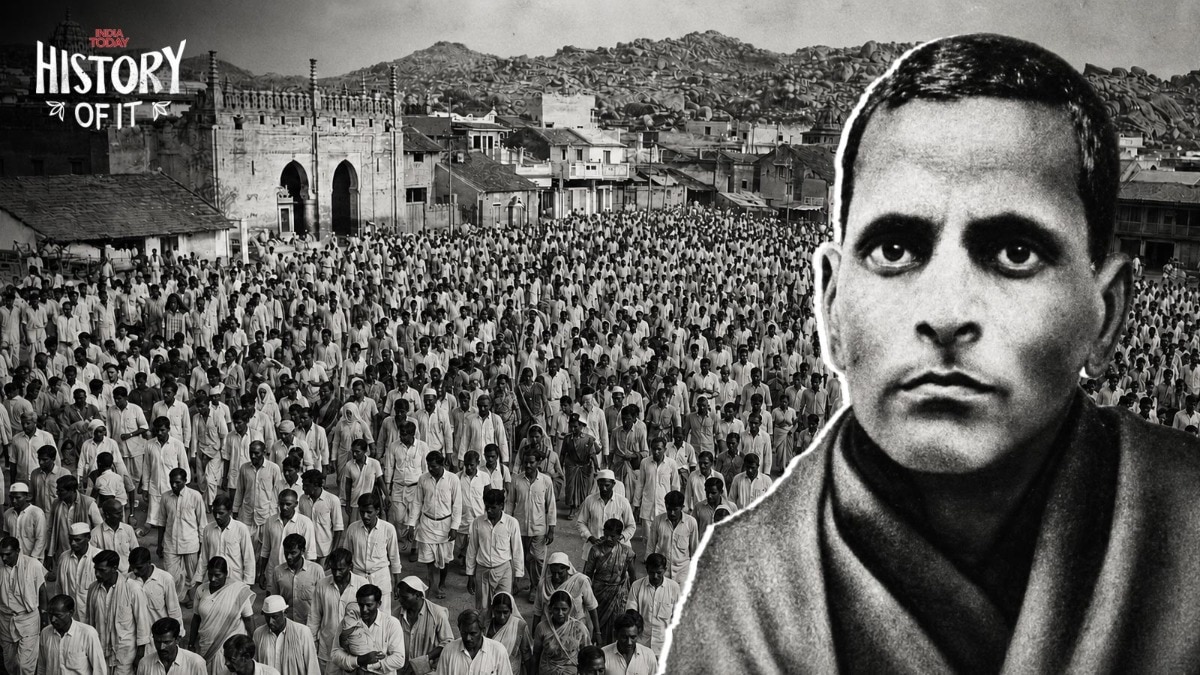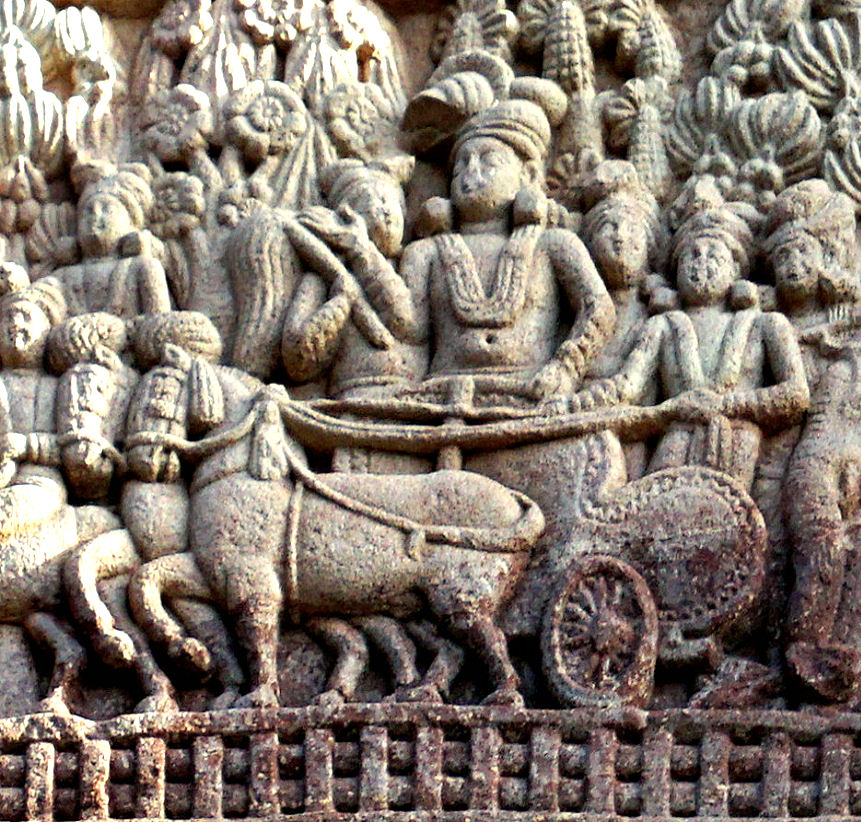
Mauryan Emperor Ashoka witnessed the massive loss of life in the Kalinga War, later embraced Buddhism, and championed non‑violence, justice, and environmental awareness. His stone edicts still echo messages of peace and human rights across the subcontinent.
Key Takeaways
- Ashoka witnessed over 100,000 deaths in the Kalinga War
- He renounced conquest and adopted Buddhism, promoting non‑violence
- His stone edicts spread messages of peace and human rights
The Mauryan Empire rose under Chandragupta Maurya in 322 BCE, but it reached its zenith in the 3rd century BCE under Emperor Ashoka. Renowned for a disciplined army and an aggressive expansion policy, he unified most of the Indian subcontinent under a single administration.
Ashoka’s most notorious campaign was the Kalinga War, fought in present‑day Odisha. Contemporary sources estimate that more than 100,000 soldiers and civilians perished, leaving the region devastated. The sight of mass suffering on the battlefield triggered a profound moral crisis in the emperor.
Consumed by remorse, Ashoka turned to Buddhism. He embraced the tenets of non‑violence, justice, religious tolerance, and ecological stewardship, weaving them into state policy. To publicize his new ethos, he commissioned thousands of stone pillars—known as Ashokan Edicts—inscribed with directives on peace, dharma, and human dignity.
Why This Matters (इसके मायने क्या हैं)
According to BozokMedia analysis, Ashoka’s conversion reshaped not only ancient Indian political discourse but also set a benchmark for modern peace movements, environmental activism, and human‑rights campaigns. His legacy demonstrates how a ruler’s ethical pivot can reverberate through centuries.
Moreover, the principles etched on Ashoka’s edicts resonate with today’s constitutional values and international human‑rights frameworks. This continuity underscores how ancient moral reforms can inform contemporary policy‑making, offering a historic lens for today’s leaders.
"Ashoka’s embrace of Buddhism stands as one of history’s most profound moral turnarounds, redefining ruler‑subject relationships." – Prof. Rajiv Sharma, Department of History, Delhi University
Frequently Asked Questions (अक्सर पूछे जाने वाले प्रश्न)
Why did Ashoka adopt Buddhism? The horrific casualties of the Kalinga War compelled him to seek a path of non‑violence and spiritual peace, leading him to Buddhism.
Are Ashoka’s edicts still studied today? Yes, they are preserved in multiple languages and remain a primary source for historians, linguists, and the general public alike.