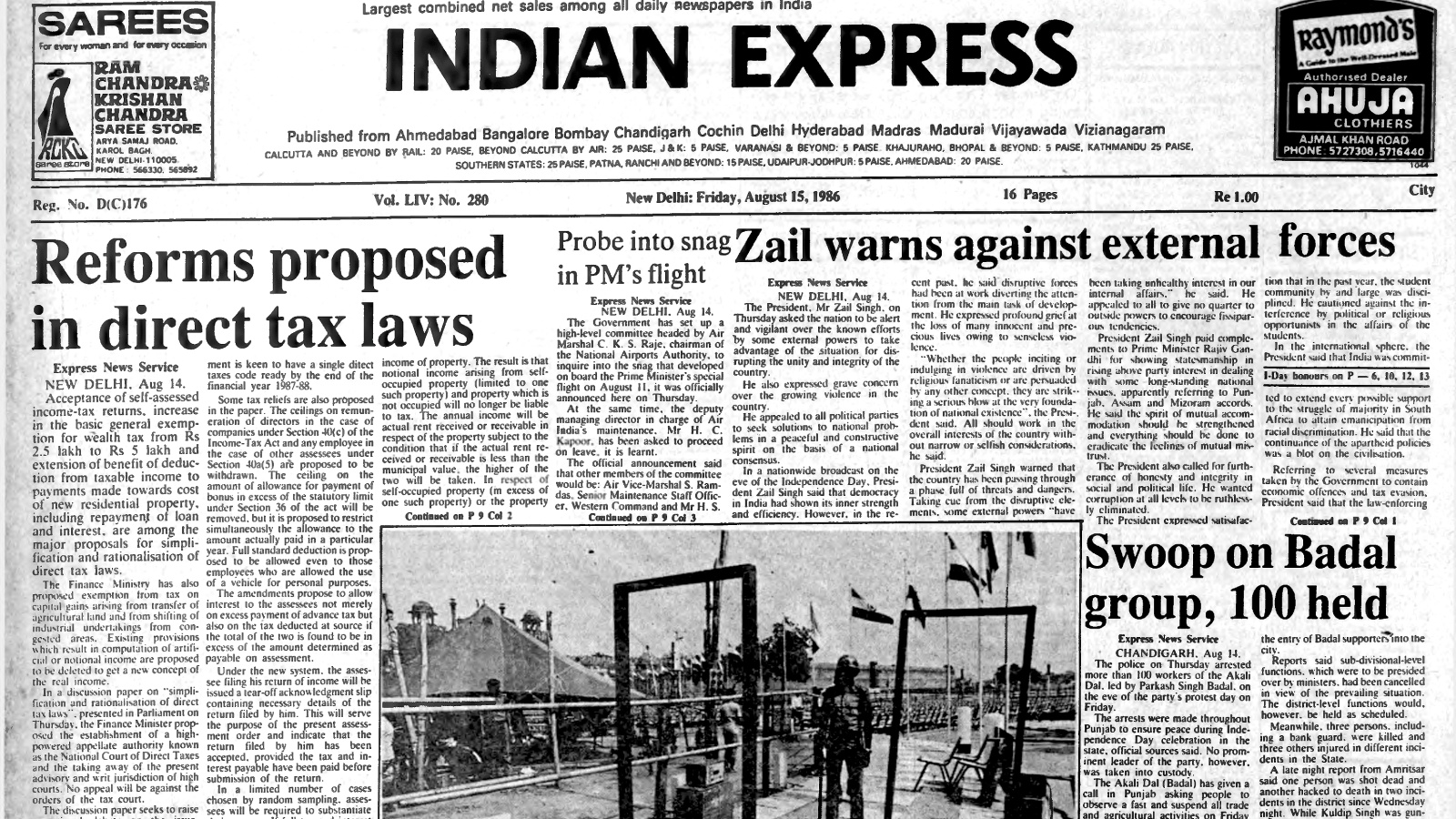
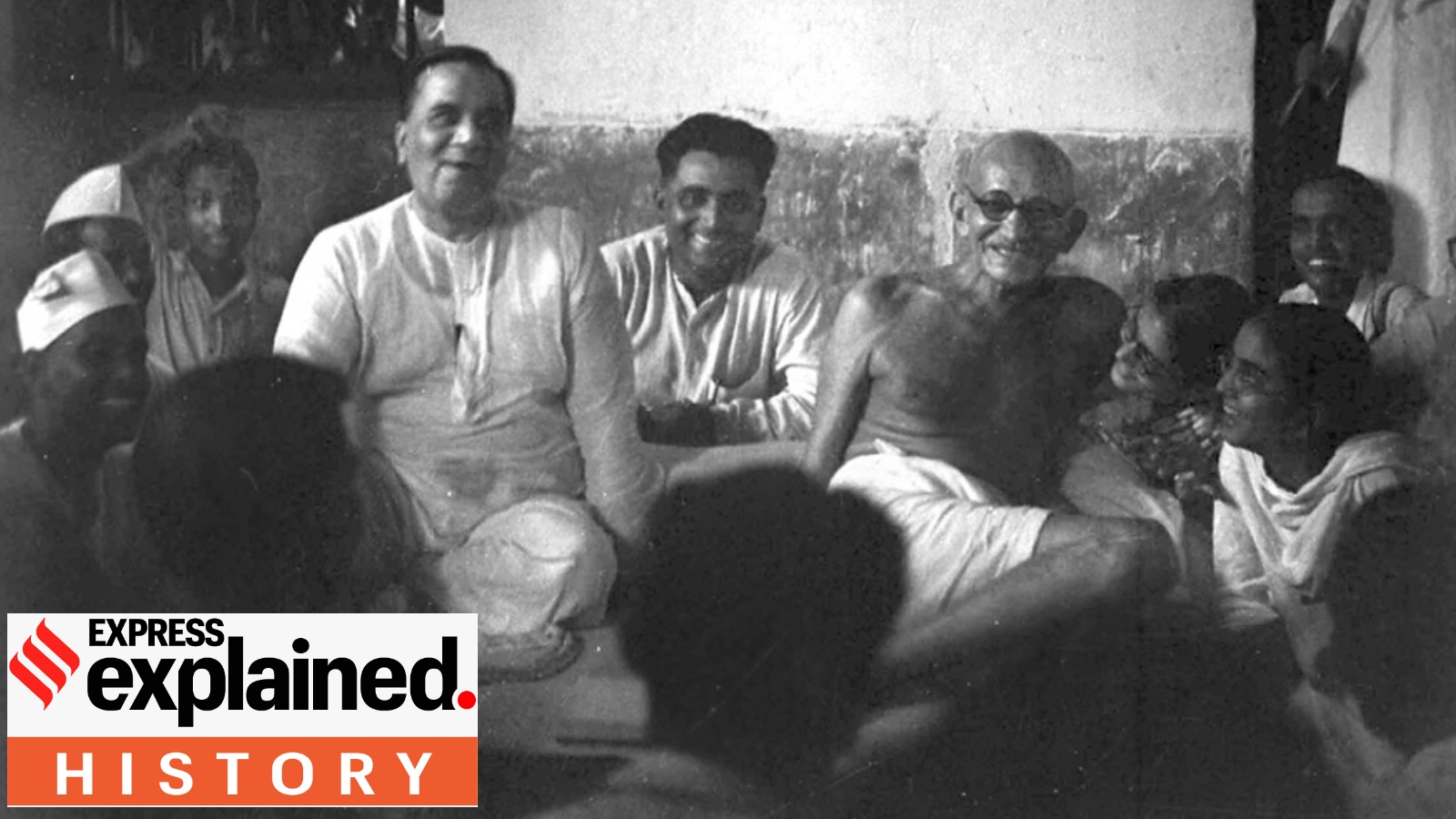
On August 15, 1947, while India celebrated its freedom, Hyderabad witnessed two parallel celebrations. Congress‑Communist activists hoisted the Indian tricolour, whereas supporters of the Nizam observed ‘Independent Hyderabad Day’. This dual observance remains a striking episode in the city’s history.
Key Takeaways
- Congress and Communist workers raised the Indian flag across Hyderabad
- Nizam loyalists celebrated a separate ‘Independent Hyderabad Day’ with the Asafia flag
- The twin celebrations exposed deep communal and political tensions in the city
Two Independence Days Unfolded
In the pre‑dawn hours of August 15, 1947, Congress activists Krishnacharya Joshi, Dr. G.S. Melkote and Ramananda Tirtha were arrested and taken to Musheerabad Central Jail. Simultaneously, Communist cadres prepared to hoist the tricolour at schools and public venues.
At Goshapet High School in Dhoolpet, the flag‑raising was a tense affair. Women marched with slogans for “Bharat” and tossed flowers, while young boys shouted “Jai, Jai…”. Brij Rani Gour recounts this in her memoir, recalling the fervor that accompanied the act.
Historical Background
Hyderabad remained under the Nizam’s rule, which had explicitly banned the display of the Indian flag. Earlier, on July 30, 1947, Arya Samaj leaders were detained, signalling the regime’s intolerance for nationalist symbols.
Why This Matters
BozokMedia analysis shows that the dual celebrations highlighted the deep‑seated communal divide in Hyderabad and foreshadowed the later Operation Polo, which eventually integrated the state into the Indian Union.
"The simultaneous observance of two independence days in Hyderabad underscores how local loyalties clashed with the broader national narrative, shaping the region’s post‑colonial trajectory."
Frequently Asked Questions
Q1: Why were there two different Independence Day celebrations in Hyderabad?
A: The Nizam’s administration prohibited the Indian flag, while nationalist groups insisted on honoring India’s freedom.
Q2: What was the impact of this day on Hyderabad’s future?
A: The internal discord paved the way for the 1948 Indian military operation (Operation Polo) that merged Hyderabad with the Indian Union.