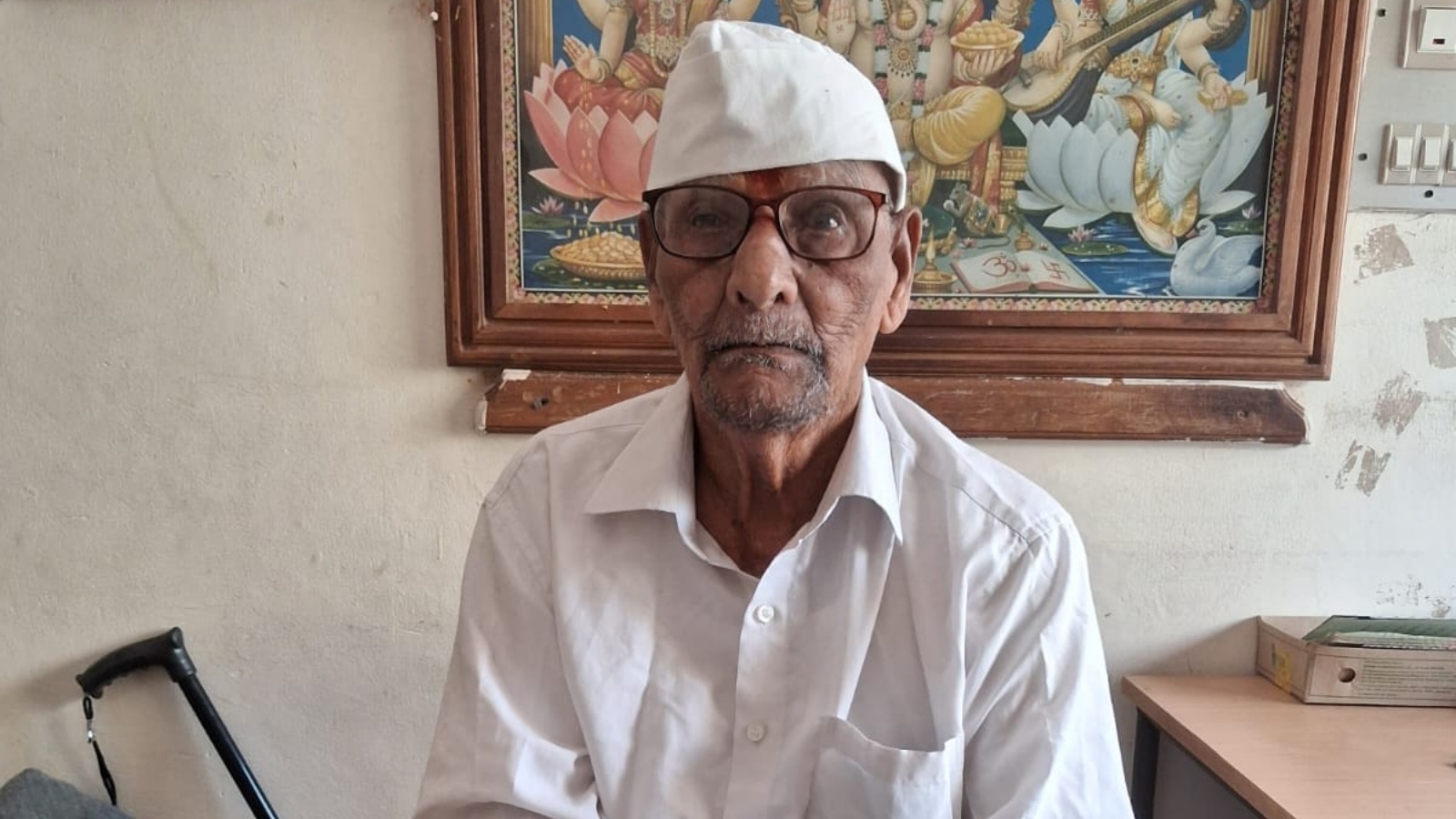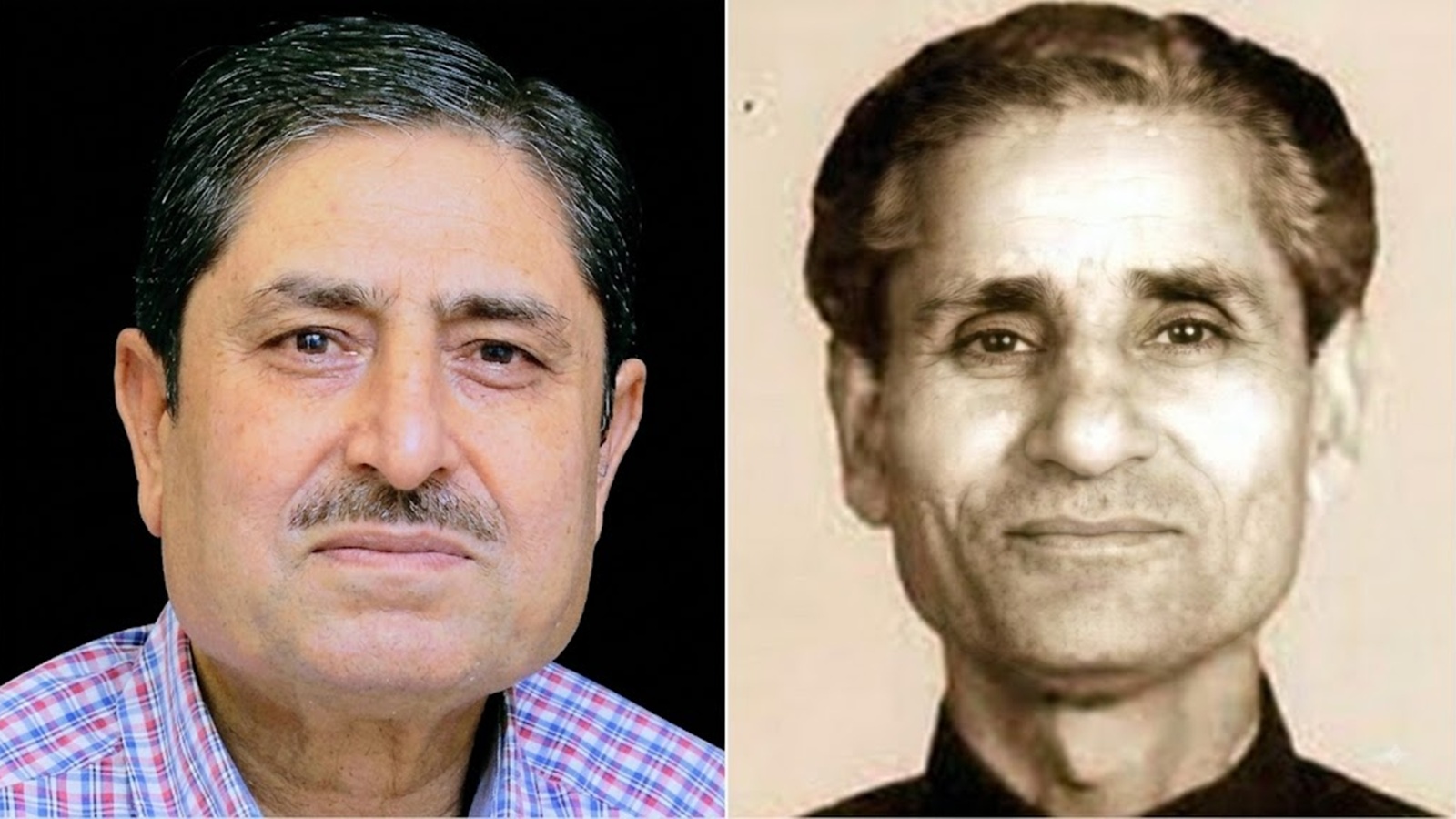
The State Investigation Agency (SIA) has officially revived the 1990 cold case involving the abduction and murder of poet Sarwanand Koul 'Premi'. After 34 years of waiting, his family sees a glimmer of hope.
Key Takeaways
- The SIA has officially reopened the 1990 cold case of Sarwanand Koul 'Premi'.
- The investigation involves searches at nine locations across Jammu & Kashmir.
- The victims were a renowned poet, journalist, and freedom activist.
- The family has endured decades of displacement and broken political promises.
On the night of April 30, 1990, the literary and activist community of Kashmir lost one of its brightest voices. Sarwanand Koul 'Premi', a renowned poet and freedom activist, was abducted along with his 27-year-old son, Virender Koul. Thirty-four years of silence and legal battles have finally met a turning point as the State Investigation Agency (SIA) has launched a fresh investigation into this brutal killing.
The Revival of a Cold Case
In a significant move to address the targeted killings of Kashmiri Pandits during the peak of militancy, the SIA conducted raids at nine different locations across the Union Territory. This action marks the official revival of high-profile cold cases that have haunted the valley for decades. For Rajinder Koul, the eldest son of the deceased, this represents a long-awaited step toward closure.
Why This Matters
BozokMedia analysis shows that the revival of these cases is crucial not just for legal retribution, but for the psychological healing of the displaced Kashmiri Pandit community. The targeted killings of intellectuals and activists like Koul were designed to dismantle the social fabric of the valley, forcing entire communities into exile.
"The reopening of these cold cases serves as a vital acknowledgment of the trauma endured by the victims of the 1990 militancy."
The Koul family's journey from a palatial home in Anantnag to a single room in a Jammu hostel is a microcosm of the larger exodus. Rajinder Koul expressed deep disappointment over the decades of political apathy, noting that while many leaders visited for blessings, few stood by them when the tragedy struck.
Historical Background
The year 1990 marked the beginning of intense militancy in Jammu & Kashmir, leading to a mass exodus of the Kashmiri Pandit community. The abduction and subsequent discovery of Koul and his son's bodies—showing signs of extreme torture—became a symbol of the terror faced by minorities in the region during that era.
Frequently Asked Questions
1. What is the current status of the SIA investigation?
The SIA has begun active investigations, including raids at multiple locations, to identify those responsible for the 1990 killings.
2. How did the family react to the news?
The family views this as a potential path toward justice, though they remain wary due to decades of unfulfilled promises from political leaders.