Following a critical CAG report identifying E. coli bacteria in railway station drinking water, the Ministry of Railways has launched a massive overhaul of water filtration systems at 20,000 locations.
Key Takeaways
- CAG report detected E. coli bacteria in water samples at multiple railway stations.
- Ministry of Railways to install 'Tank to Tap' filtration systems at 20,000 sites.
- Railway Minister Ashwini Vaishnaw has ordered immediate corrective measures.
- New centralized monitoring will be implemented to ensure water quality and accountability.
In a major response to safety concerns raised by the Comptroller and Auditor General (CAG), the Ministry of Railways has announced an extensive upgrade of its drinking water infrastructure. The move comes after a startling discovery of E. coli bacteria in water samples collected from several railway stations across India, including locations in Mumbai, Kerala, Tamil Nadu, and Jharkhand.
The CAG Findings
The CAG report, titled ‘Passenger Amenities and Sanitation at Non-Suburban Railway Stations in Indian Railways’, highlighted significant lapses in water quality management. According to the report, out of 49 stations inspected, eight showed the presence of harmful E. coli bacteria. The audit also pointed out failures in testing for residual chlorine and bacteriological analysis, noting that water quality was often unsatisfactory due to non-compliance with prescribed protocols.
A Nationwide Infrastructure Overhaul
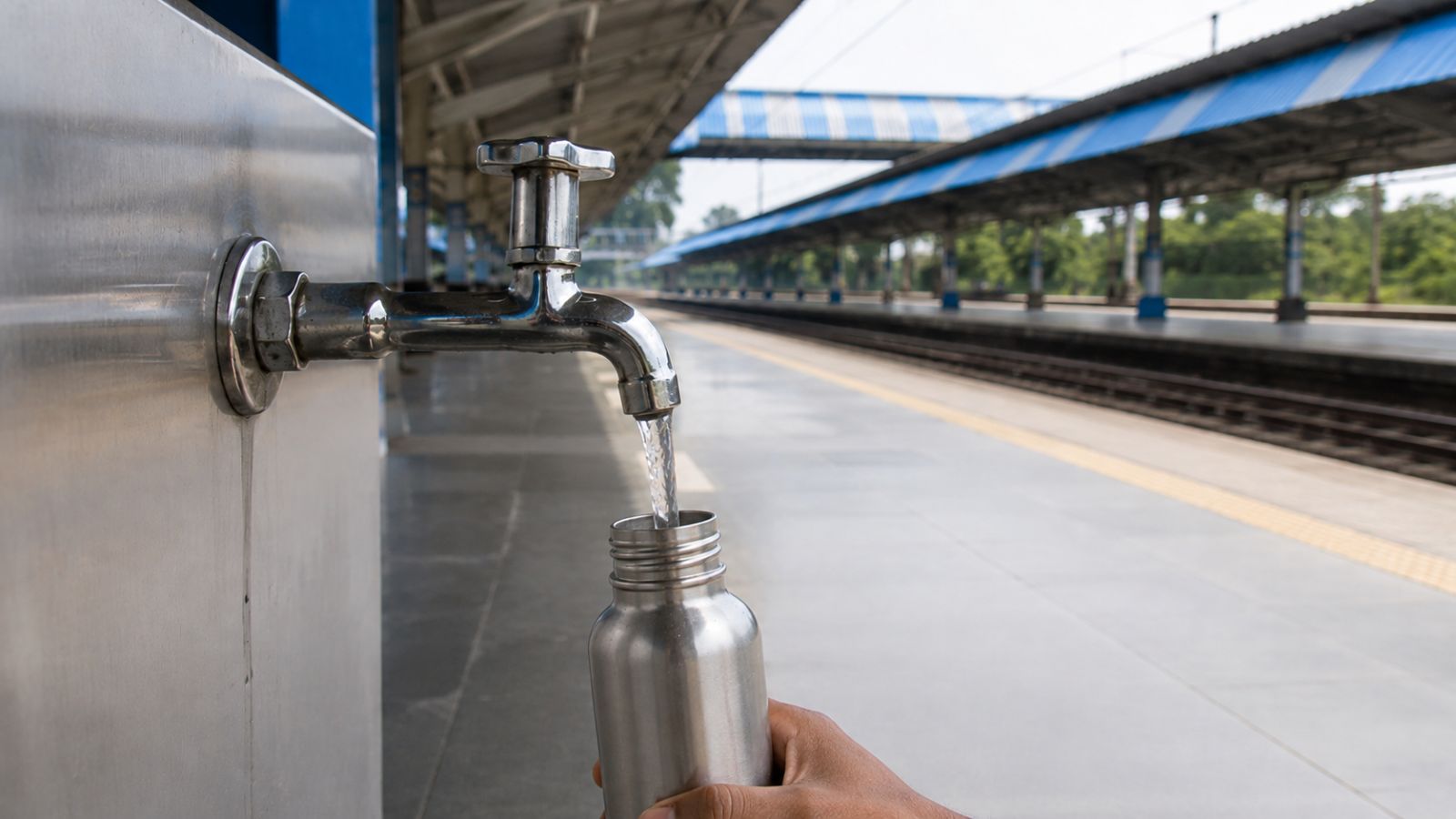
Responding to these findings, Railway Minister Ashwini Vaishnaw chaired a high-level meeting at Rail Bhavan to direct immediate action. The national transporter has unveiled a plan to install a “Tank to Tap” water filtration and monitoring system at approximately 20,000 locations, including water coolers, across the entire railway network.
Why This Matters
BozokMedia analysis shows that with millions of passengers relying on railway stations for basic amenities, the integrity of the water supply is a critical public health issue. The transition from manual checks to a centralized monitoring system is essential to prevent outbreaks of waterborne diseases and to restore public trust in railway sanitation standards.
Ensuring water safety is not just a logistical challenge; it is a fundamental duty of the state toward its citizens' health.
Frequently Asked Questions
1. Where was the E. coli bacteria specifically detected?
The bacteria was detected in samples from stations in Mumbai, Kerala, Tamil Nadu, and Jharkhand.
2. How will the new system improve water safety?
The 'Tank to Tap' system will provide continuous filtration and centralized monitoring to ensure water meets safety standards from the source to the outlet.