The United States conducted its 13th consecutive night of strikes against Iranian military targets, while Chinese supertankers successfully navigated the Houthi-controlled waters, raising questions about selective enforcement of maritime blockades.
Key Takeaways
- US CENTCOM targeted Iranian command centers, drone facilities, and maritime capabilities.
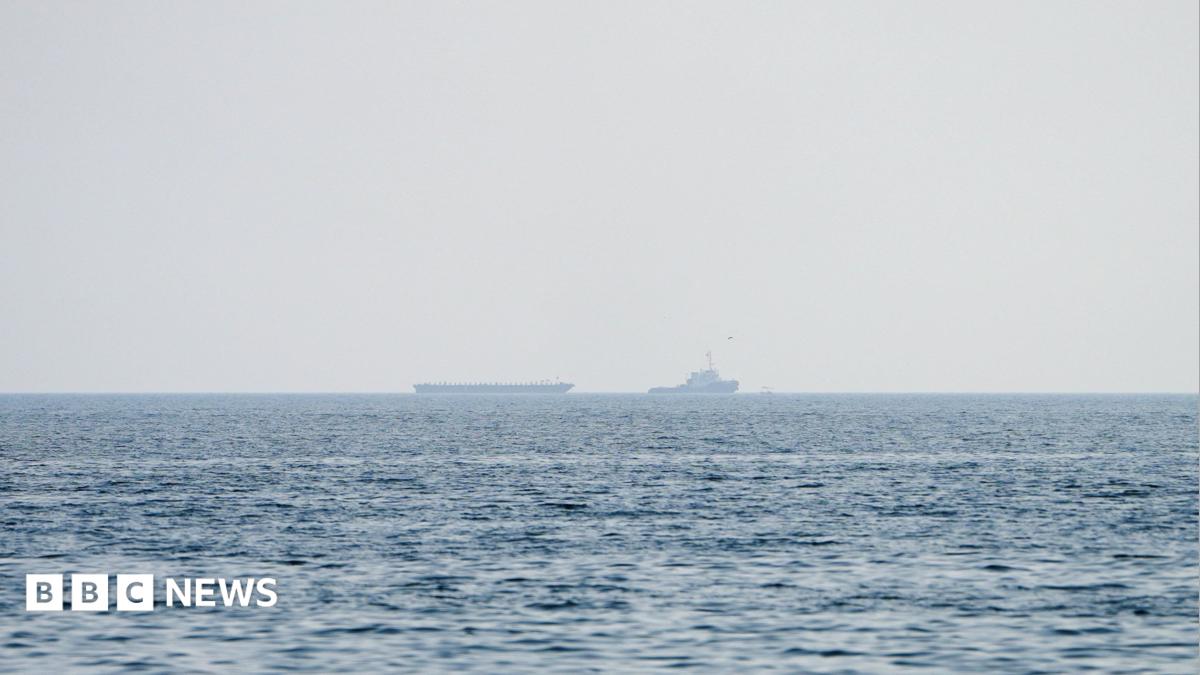
- Two Chinese supertankers successfully exited the Bab al-Mandeb strait despite Houthi blockades.
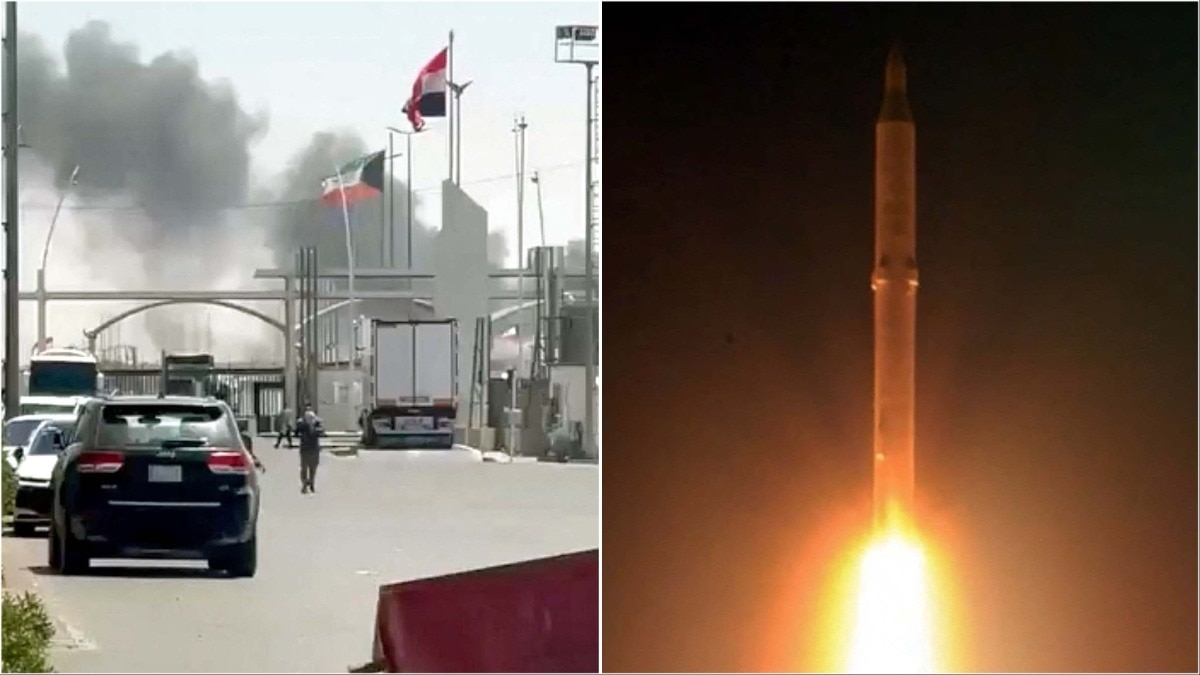
- Iran launched retaliatory drone strikes on US-aligned bases in Bahrain and Jordan.
- President Trump threatened to use Iran's frozen assets to cover maritime damage claims.
The military escalation in the Middle East reached a fever pitch this week. The United States Central Command (CENTCOM) confirmed a series of precision strikes against Iranian military infrastructure, including drone storage sites and communication networks. Reports from Iranian media indicate explosions in multiple cities, including Khordaband and Bandar Abbas, resulting in casualties and significant damage to maritime surveillance sites.
A critical development in the maritime sector has emerged. While the Strait of Hormuz has seen its lowest tanker crossings since May, London Stock Exchange Group data reveals a striking anomaly: two Chinese supertankers carrying crude oil from Saudi Arabia successfully navigated the Bab al-Mandeb strait. This occurs despite the naval blockade declared by Yemen's Houthis, suggesting a significant disparity in how maritime restrictions are being applied.
Why This Matters
BozokMedia analysis shows that the selective passage of Chinese vessels amidst a high-intensity conflict zone highlights the complex geopolitical maneuvering at play. The ability of certain nations to bypass blockades while others face extreme risk could fundamentally shift the power dynamics of global shipping and energy security.
The collision of kinetic warfare and maritime economic warfare is creating a volatile new precedent for global trade routes.
In retaliation, the Iranian military has expanded the theater of conflict, utilizing drones to strike the Sheikh Isa Air Base in Bahrain and maintenance facilities in Jordan. This escalation has prompted US President Donald Trump to signal a potential 'massive attack' larger than any previous operation, alongside a controversial proposal to seize Iran's frozen assets to pay for maritime repairs.
Historical Background
The tension in the Red Sea and the Strait of Hormuz is rooted in years of regional proxy conflicts and the strategic importance of these narrow waterways. The Houthi movement's recent blockade tactics have turned the Red Sea into a high-risk zone, forcing global shipping companies to rethink their routes and security protocols.
Frequently Asked Questions
1. Why are Chinese ships able to pass through the blockade?
While official reasons aren't stated, the successful passage of Chinese tankers suggests unique diplomatic or strategic arrangements that differ from other nations.
2. What is the risk of Iran's retaliatory strikes?
Iran's strikes on Bahrain and Jordan indicate a willingness to target US-aligned regional bases, significantly increasing the risk of a wider regional war.