Oman has introduced a new proposal backed by Gulf states to manage the Strait of Hormuz, suggesting voluntary fees for transiting ships to ensure trade stability. However, Washington has firmly rejected the idea of any tolls.
Key Takeaways
- Oman has proposed a multilateral management plan for the Strait of Hormuz.
- The plan suggests 'voluntary fees' from ships, similar to the Strait of Malacca model.
- The United States has rejected the proposal, maintaining that the waterway must remain free and international.
- The proposal aims to mitigate trade disruptions caused by ongoing US-Iran tensions.
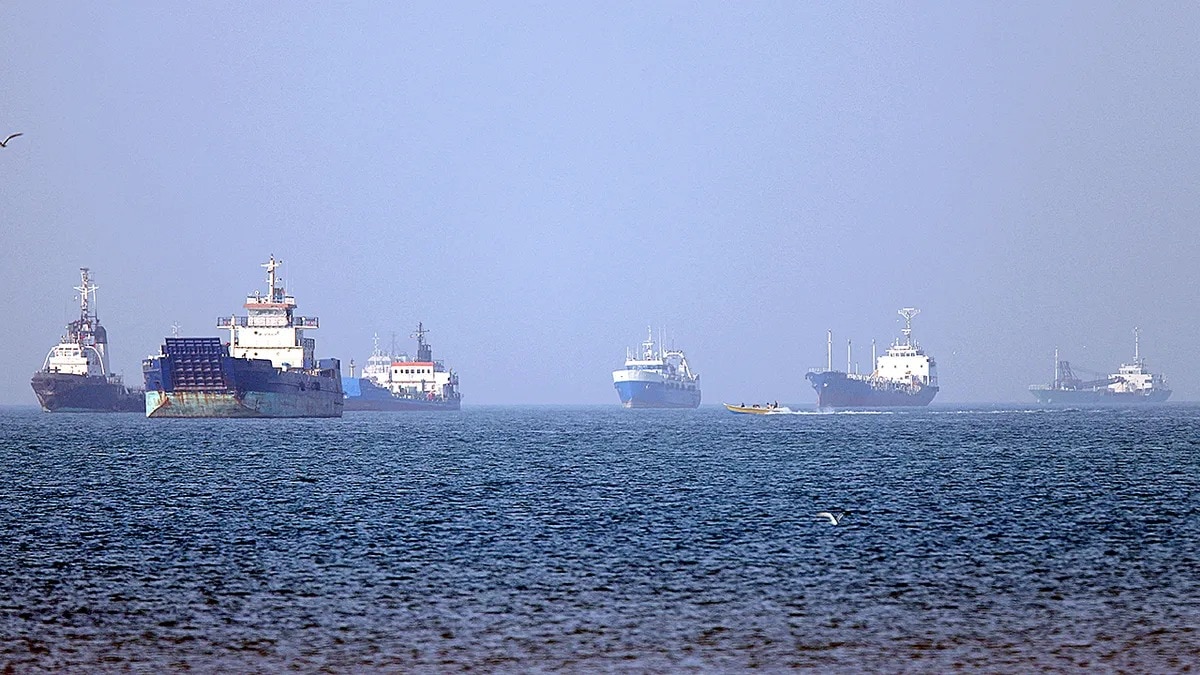
Oman has put forward a strategic plan, backed by Gulf states, to manage the Strait of Hormuz. The proposal includes a mechanism for collecting voluntary user fees from vessels transiting the waterway. This move is intended to provide a framework to end the significant trade disruptions caused by the ongoing conflict involving the US, Israel, and Iran.
Why This Matters
BozokMedia analysis shows that the Strait of Hormuz is a vital artery for the global economy, handling approximately one-fifth of the world's oil and liquefied natural gas (LNG) flows. Any instability in this narrow passage directly impacts global energy prices and supply chain security. Oman's attempt to introduce a managed, fee-based system is a diplomatic effort to stabilize a volatile geopolitical zone.
The tension between Iran's desire for regional control and the US demand for free navigation remains the primary obstacle to maritime stability.
The proposed system is modeled after the Strait of Malacca, where nations like Indonesia and Singapore accept voluntary contributions for navigation, environmental protection, and search-and-rescue operations. While Oman seeks a middle ground, Washington has reiterated that the strait must remain an international waterway free from Iranian control or mandatory restrictions.
Historical Background
Tensions escalated significantly following US and Israeli strikes on Iran in early 2026. Iran had effectively restricted passage to non-Iranian vessels, leading to a breakdown in regional maritime security. While a brief agreement last month partially reopened the strait, recent drone attacks and missile strikes in the region have kept the situation on the brink of further escalation.
Frequently Asked Questions
1. What is the essence of Oman's proposal?
Oman proposes a joint management system where ships pay voluntary fees to fund navigation and safety, rather than mandatory tolls.
2. Why is the US opposing the fees?
The US maintains that the strait is an international waterway and any form of mandatory or managed fee system could infringe on the freedom of navigation.