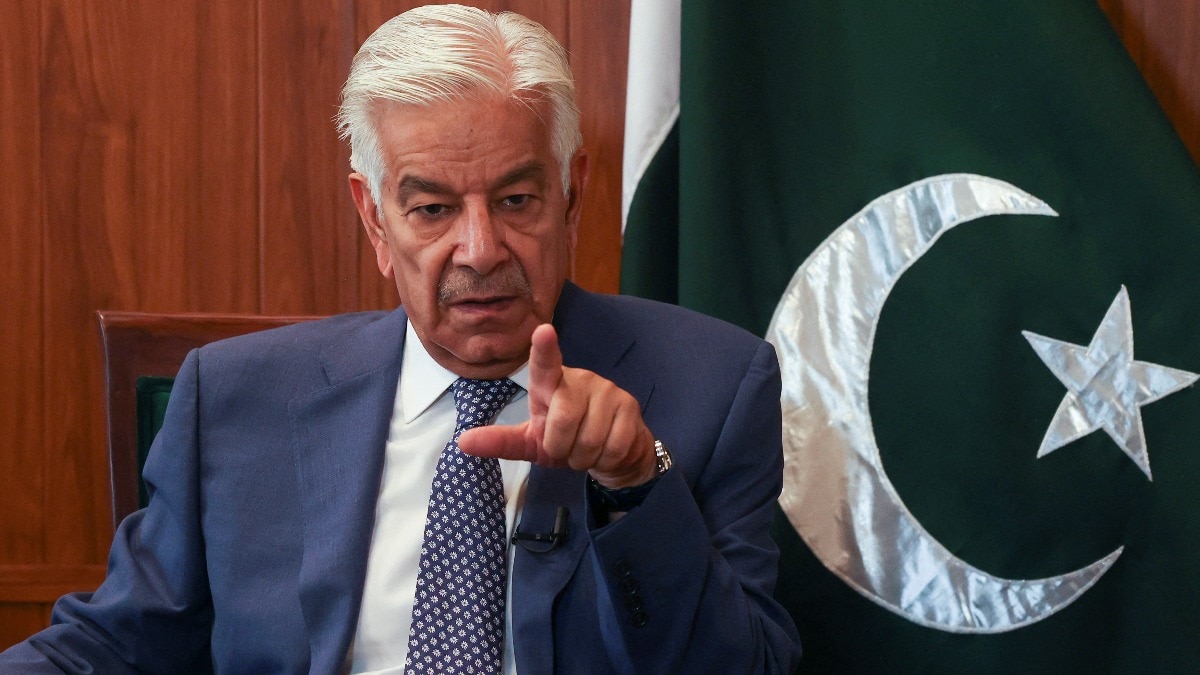
In a chilling escalation, Pakistani Defence Minister Khawaja Asif has labeled POK protesters as 'enemies like India' following a deadly crackdown that left 14 activists dead.
Key Takeaways
- Pakistani Defence Minister Khawaja Asif labeled POK protesters as 'enemies like India'.
- At least 14 activists were killed during a crackdown on a JAAC protest march.
- India dismissed POK elections as a 'cosmetic exercise' to hide illegal occupation.
- Protests in POK are driven by economic distress and political disenfranchisement.
Pakistan's Defence Minister Khawaja Asif has ignited a firestorm of controversy by defending the lethal crackdown on protesters in Pakistan-occupied Kashmir (POK). Speaking to a local television channel, Asif made the inflammatory claim that he views those protesting against the Islamabad administration as "enemies like India." This statement comes in the wake of a violent encounter where security forces opened fire on a march led by the Joint Awami Action Committee (JAAC).
Why This Matters
BozokMedia analysis shows that Asif's rhetoric signals a dangerous shift in how the Pakistani state perceives internal dissent in the region. By equating domestic protesters with a foreign adversary, the government is effectively delegitimizing legitimate grievances and paving the way for further military-led suppression, which could lead to long-term regional instability.
'Labeling domestic activists as foreign enemies is a desperate attempt to suppress a grassroots movement driven by genuine economic and political despair.'
The recent violence occurred during a march from Rawalkot to Muzaffarabad. Thousands of JAAC supporters were demanding the abolition of 12 legislative assembly seats reserved for Kashmiri refugees, an arrangement they claim dilutes the political rights of POK residents. While Pakistani authorities claim protesters were armed, the JAAC maintains the fire was unprovoked and targeted peaceful demonstrators, resulting in 14 deaths and dozens of injuries.
Historical Context of Unrest
The unrest in POK is not a sudden phenomenon but a culmination of months of systemic neglect. Residents have been protesting against soaring inflation, frequent power outages, and the high cost of essential commodities like wheat flour. What began as economic grievances has rapidly evolved into a broader movement demanding political autonomy and accountability from Islamabad's administration.
Amidst this chaos, India has maintained its firm stance. External Affairs Ministry spokesperson Randhir Jaiswal slammed the recent electoral processes in POK as a "cosmetic exercise" designed to camouflage Pakistan's illegal occupation and grave human rights violations in the territory.
Frequently Asked Questions
1. What is the primary demand of the JAAC?
The JAAC is demanding greater political rights for POK residents and the removal of seats reserved for refugees that allow Islamabad to influence local governance.
2. What is India's official position on POK?
India maintains that the entire Union Territories of Jammu & Kashmir and Ladakh, including POK, are integral and inalienable parts of India.