Caught between a US-led conflict and Iranian proxies, Saudi Arabia must decide: fight back or de-escalate to protect its economic future.
Key Takeaways
- Saudi Arabia is facing simultaneous drone threats from Iraq and Yemen.
- The 'Vision 2030' economic roadmap is highly vulnerable to regional instability.
- Riyadh has begun conducting joint military strikes with the US against proxies.
Saudi Arabia finds itself at a critical geopolitical crossroads. Since the escalation of hostilities between the United States, Israel, and Iran in late February, the Kingdom has desperately attempted to maintain a policy of neutrality. However, recent multi-front attacks have forced Riyadh's hand.
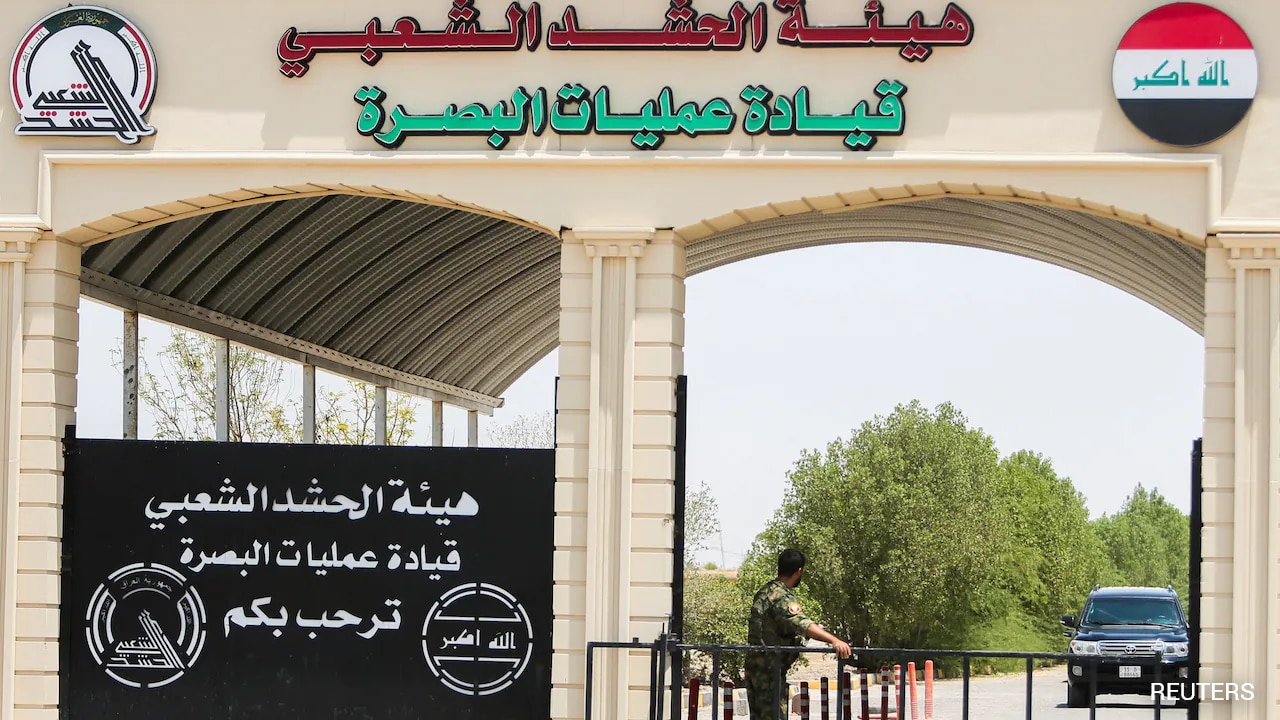
Following a series of drone strikes targeting its territory, Saudi Arabia has pivoted toward active defense. This week, the Kingdom conducted joint military operations alongside US forces targeting Iranian-backed militias in Iraq. The central question now facing the leadership in Riyadh is whether to adopt a policy of deterrence through retaliation or to seek de-escalation through diplomatic and financial concessions.
Why This Matters
BozokMedia analysis shows that the stability of the Saudi state is inextricably linked to global energy security. Any prolonged conflict involving the Kingdom could trigger massive volatility in the global oil market and disrupt critical maritime trade routes.
The survival of Vision 2030 depends more on regional peace than on oil prices.
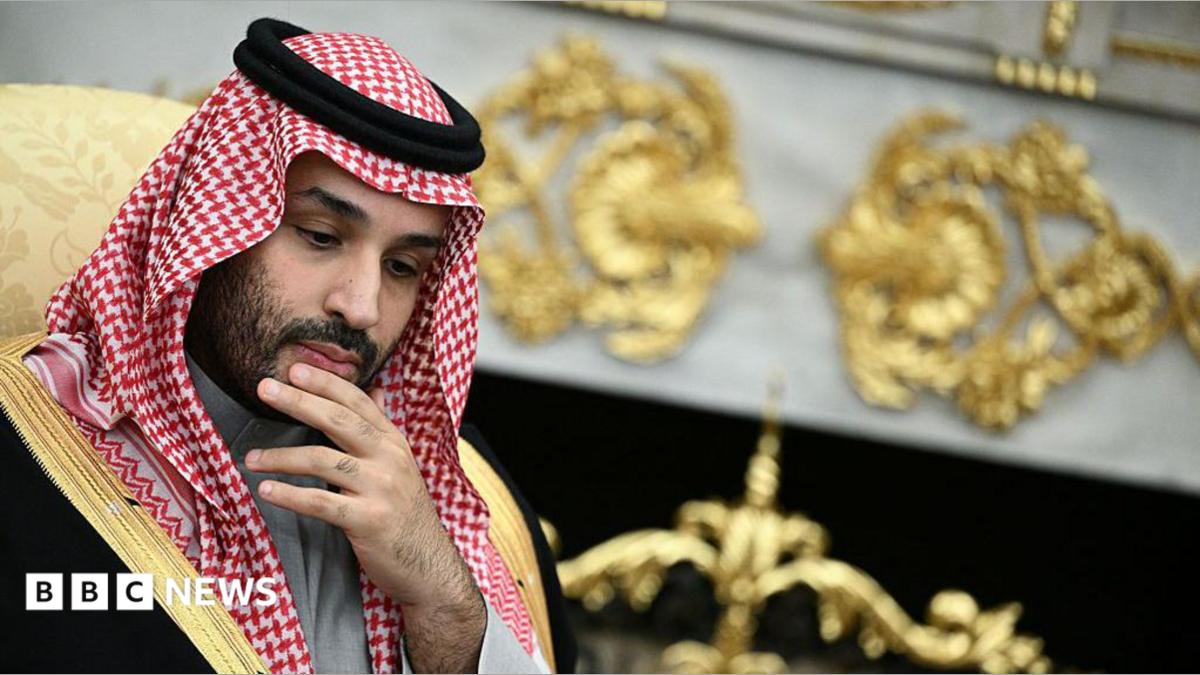
Crown Prince Mohammed bin Salman (MBS) is spearheading 'Vision 2030,' an ambitious plan to diversify the economy away from petroleum. This requires massive foreign investment and the construction of high-tech infrastructure, such as data centers. However, constant threats from Houthi rebels in Yemen and militias in Iraq jeopardize the very stability needed to attract such investment.
Historical Context
The vulnerability of Saudi infrastructure was starkly demonstrated in September 2019, when attacks on the Abqaiq and Khurais oil facilities knocked out half of the Kingdom's oil exports. This event served as a grim reminder of how easily proxy warfare can cripple the national economy.
Frequently Asked Questions
1. What is Vision 2030?
It is a strategic framework to reduce Saudi Arabia's dependence on oil and develop public service sectors like health, education, and infrastructure.
2. How are the Houthis affecting Saudi Arabia?
Houthi attacks in the Red Sea threaten Saudi shipping lanes, making oil exports to Asian markets increasingly dangerous and costly.