Tehran appears to be opting for a calibrated confrontation rather than total war or absolute peace. This move aims to leverage global energy markets to break its economic isolation.
Key Takeaways
- Iran is pursuing a strategy of 'controlled confrontation' rather than all-out war.
- A ceasefire might leave Iran economically isolated and under sanctions.
- Disruption in the Strait of Hormuz provides Iran with global diplomatic leverage.
- Internal domestic pressures may be mitigated by external conflict.
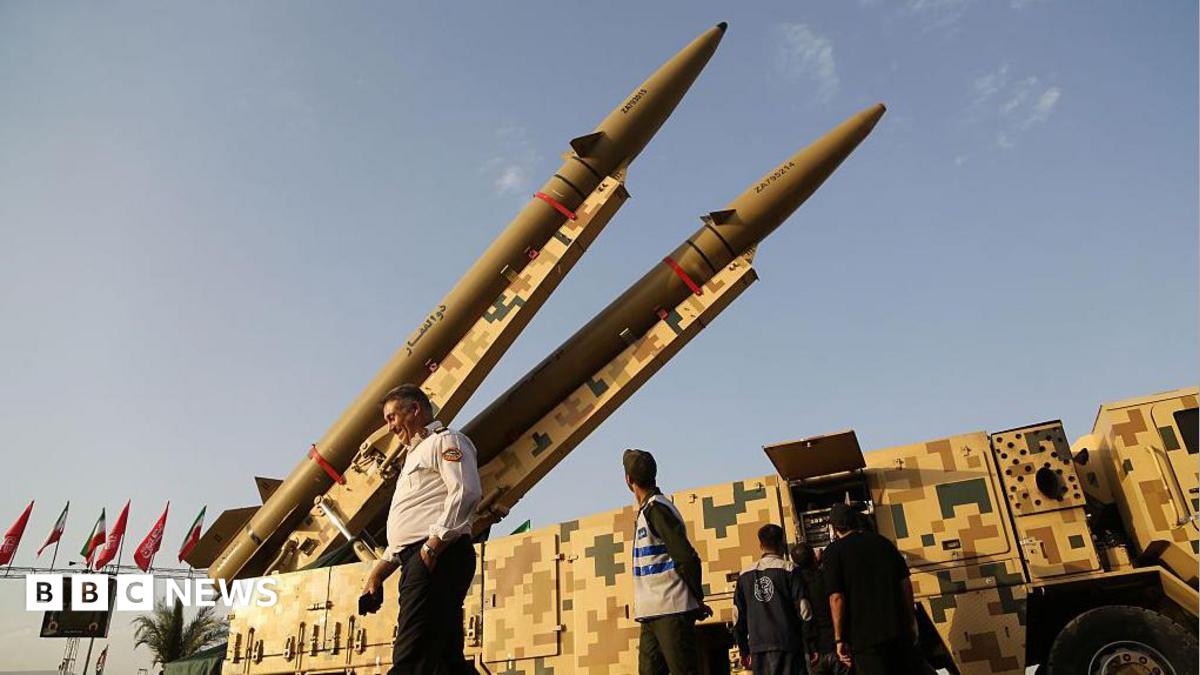
The recent surprise missile strike by Iran on a US base in Jordan has upended the fragile stability in the Middle East. While such an escalation might seem counterproductive to achieving peace, strategic analysts suggest that Tehran may actually find a limited war more beneficial than a status quo ceasefire.
Strategic Leverage vs. Economic Vulnerability
Iran faces a difficult paradox. On one hand, its weakened air defenses and sanctioned economy make a full-scale war with the United States potentially suicidal. On the other hand, a prolonged ceasefire would likely see the US naval blockade and international sanctions remain untouched, leaving Iran economically marginalized while neighbors like Saudi Arabia and the UAE resume normal trade.
Why This Matters: BozokMedia Analysis
BozokMedia analysis shows that Iran is shifting its focus from traditional military victory to sustained economic disruption. By maintaining pressure on the Strait of Hormuz and the Bab al-Mandab strait, Iran ensures that global shipping, insurance costs, and energy markets remain sensitive to its political demands.
Tehran's objective is not to defeat the US military, but to make the cost of ignoring Iran's demands higher than the cost of negotiating with them.
Furthermore, Iran seeks to reshape the rules of maritime navigation. Instead of accepting unrestricted freedom of navigation, Tehran wants any future reopening of vital waterways to reflect its regional influence and authority.
Domestic Calculations
Beyond geopolitics, there is a significant domestic component. With skyrocketing inflation and public dissatisfaction, external conflict can serve as a tool for the Iranian government to rally nationalistic support and suppress internal dissent under the guise of national security.
Frequently Asked Questions
1. What is a 'limited war' in the context of Iran?
It refers to controlled escalations, such as targeted missile strikes or maritime disruptions, designed to exert pressure without triggering a full-scale military invasion.
2. Why is the US hesitant to engage in a larger war?
The US seeks to avoid a broader regional conflict that could drive up global oil prices, threaten energy infrastructure, and stretch military resources across multiple fronts.