After a six-year hiatus, the historic Shipki La trade route has reopened, but skyrocketing Pashm prices are making it impossible for traders to engage in traditional barter.
Key Takeaways
- Shipki La trade route has officially resumed after a 6-year suspension.
- Traders are unable to procure raw Pashm due to massive price hikes.
- The trade continues to function on a traditional barter system rather than cash.
- Currency fluctuations and trade limits are posing significant challenges.
For the traders of Kinnaur and Lahaul-Spiti, the reopening of the Shipki La pass felt less like a commercial transaction and more like a long-awaited homecoming. After being suspended for six years due to the pandemic, the first batch of traders successfully crossed into the Tibet Autonomous Region (TAR) this month, reviving a route that has connected Himalayan communities for centuries.
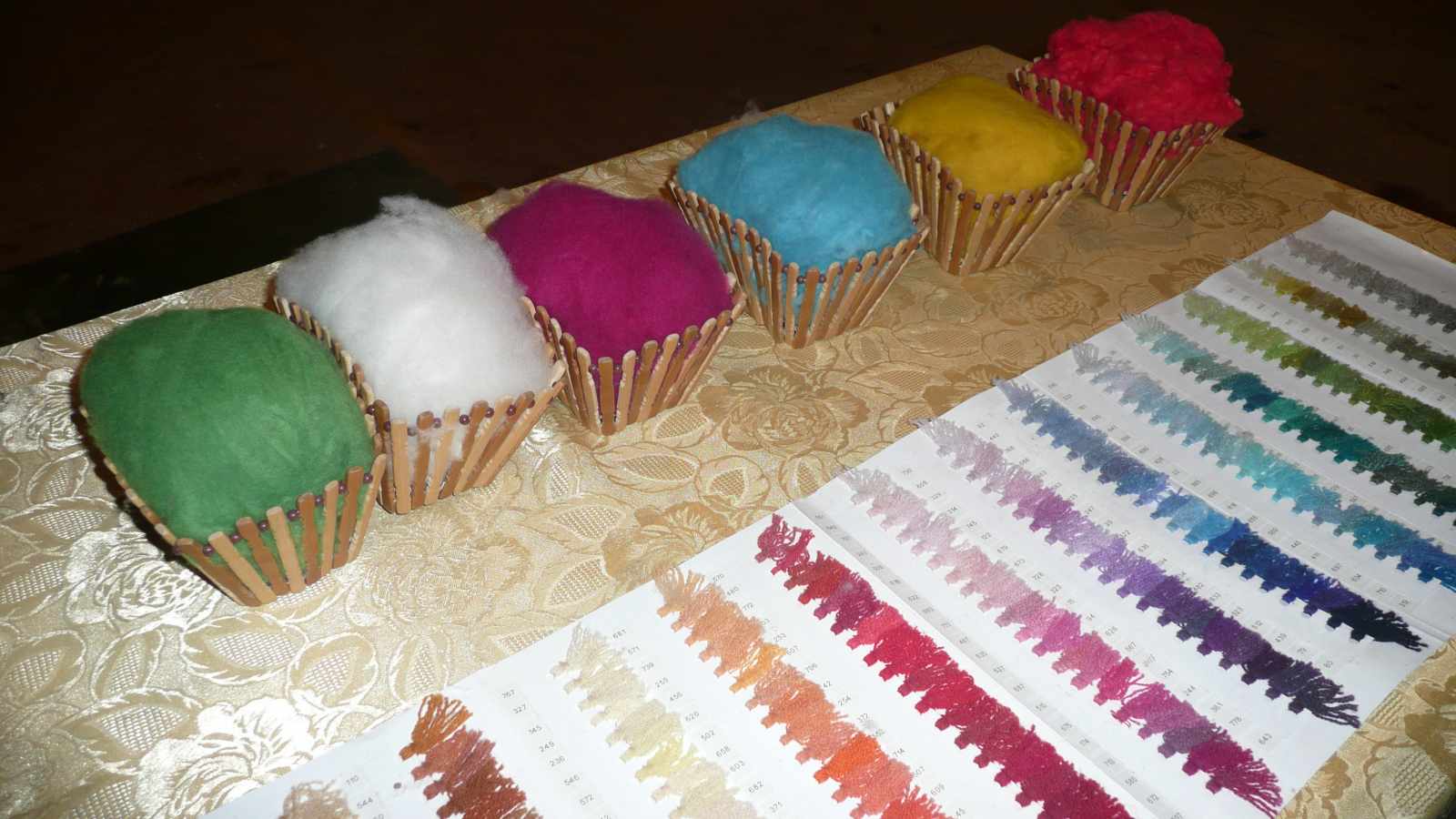
However, the joy of reopening is tempered by a harsh economic reality. While traders successfully exchanged agricultural implements, spices, and rice for Chinese crockery, watches, and shoes, they returned empty-handed regarding Pashm. This fine undercoat of the Changthangi goat is the lifeblood of the premium Pashmina industry, but its current cost has rendered it inaccessible through traditional means.
Why This Matters
BozokMedia analysis shows that the economic viability of the Shipki La route is under threat from modern macroeconomic shifts. The reliance on a 17th-century barter system is clashing with 21st-century inflation. As the price of raw Pashm has surged from approximately ₹15,000 to as high as ₹35,000 per kg, the ability to exchange goods of equal value has become a mathematical impossibility for local traders.
The appreciation of the Chinese Yuan against the Rupee, combined with the skyrocketing cost of raw fiber, has effectively priced out the most vital commodity of this route.
The challenges are multifaceted. Traders are currently restricted to a trade value of ₹1 lakh per person, a limit that is insufficient for high-value commodities. Furthermore, the lack of digital or cash payment options means that the rising cost of the Yuan makes everything imported from the Tibet side significantly more expensive for Indian merchants.
Historical Background
The Shipki La arrangement is deeply rooted in history, following a barter protocol dating back to 1697 between Tibet and the erstwhile Bushahr princely estate. Unlike the Nathu La route, which allows monetary transactions, Shipki La remains governed by the traditional 'Gamgya' oath. The route saw closures following the 1962 war and a brief revival in the 1990s before the COVID-19 pandemic halted all movement in 2019.
Frequently Asked Questions (FAQ)
1. Why can't traders use cash at Shipki La?
The trade follows a traditional barter system established centuries ago, where goods must be exchanged for goods.
2. What is Pashm?
Pashm is the high-quality fine undercoat of the Changthangi goat, used to produce luxury Pashmina shawls.